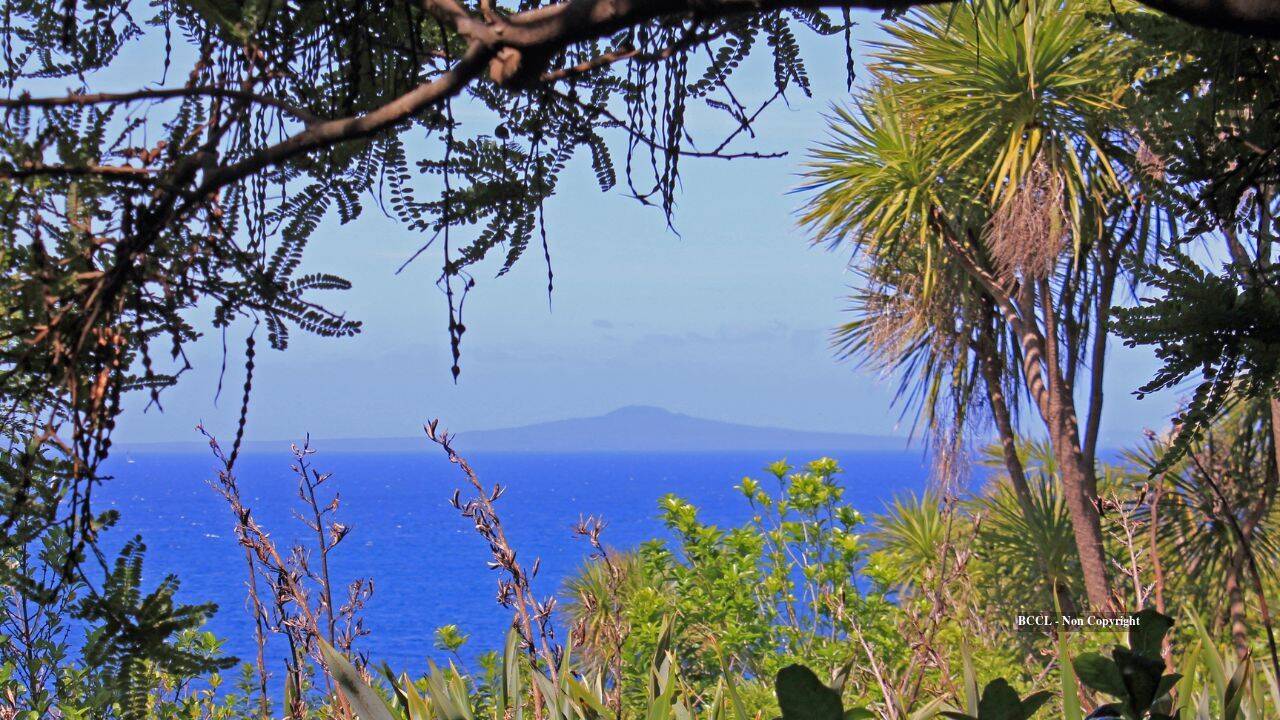
You've probably seen those glossy conservation ads telling you that planting a few saplings will fix the planet. Honestly, most of it is greenwashing. But every once in a while, a project actually works. Take Motutapu Island in New Zealand. Dropping roughly 280,000 native trees into degraded farmland didn't just change the view. It brought an entire ecosystem back from the dead.
If you visit today, you won't see rows of pine trees or manicured parks. You'll see dense coastal forest teeming with birdlife that hasn't nested there in generations. But getting to this point wasn't easy. It took decades of brutal manual labor, stubborn volunteers, and a complete rejection of quick-fix environmentalism.
The Mess Left Behind
Let's be real about what Motutapu looked like before the shovels hit the dirt. Centuries of farming stripped away the original canopy. Invasive weeds took over. Rabbits, mice, and stoats ran the place.
Most people think you can just plant trees and walk away. That's a rookie mistake. If you plant native species into soil choked with gorse and kikuyu grass, the weeds win. The saplings choke out and die. The restoration team had to clear massive tracts of land, manage devastating pest populations, and figure out which native species could survive exposed, windswept ridgelines.
Why Volume Alone Means Nothing
Anyone can throw 280,000 seeds into the ground. It sounds like an impressive statistic for a press release. But numbers don't matter if survival rates tank.
The Motutapu Restoration Trust didn't just plant randomly. They used a succession strategy. They started with hardy pioneer species like kanuka and manuka. These tough plants create shelter from coastal gales. Only after the microclimate improved did they introduce slower-growing canopy trees like kauri, totara, and puriri.
If you're looking at habitat restoration projects elsewhere, pay attention to species diversity. Planting a monoculture of one fast-growing tree type just creates a green desert. New Zealand's success here came from mimicking natural forest regeneration.
The Wildlife Came Back
Habitats don't exist in a vacuum. Once the canopy closed, the birds returned.
Takahhe, rare flightless birds once teetering on the edge of extinction, now roam the grasslands and forest edges. Shore plovers and brown teal found safe nesting grounds. This isn't an accident. It's the direct result of creating food sources and removing mammalian predators.
You can't just release endangered wildlife into a degraded landscape and hope for the best. You have to rebuild the pantry first. The trees provided berries, insects, and nesting sites. The animals did the rest.
What You Can Learn From Motutapu
Big conservation projects often feel overwhelming. You sit at home reading about hundreds of thousands of trees and think your tiny balcony garden or local park cleanup doesn't matter.
It does. The scale is different, but the principles are identical.
- Fix the foundation first: Stop weeds and pests before buying expensive plants.
- Match the plant to the place: Don't force species where they won't naturally thrive just because they look pretty.
- Play the long game: Real ecological recovery takes decades, not funding cycles.
Stop waiting for a massive government grant or a corporate sponsor to fix your local green space. Grab a shovel, join a local native plant nursery group, and start small. The work is dirty, exhausting, and entirely worth it.