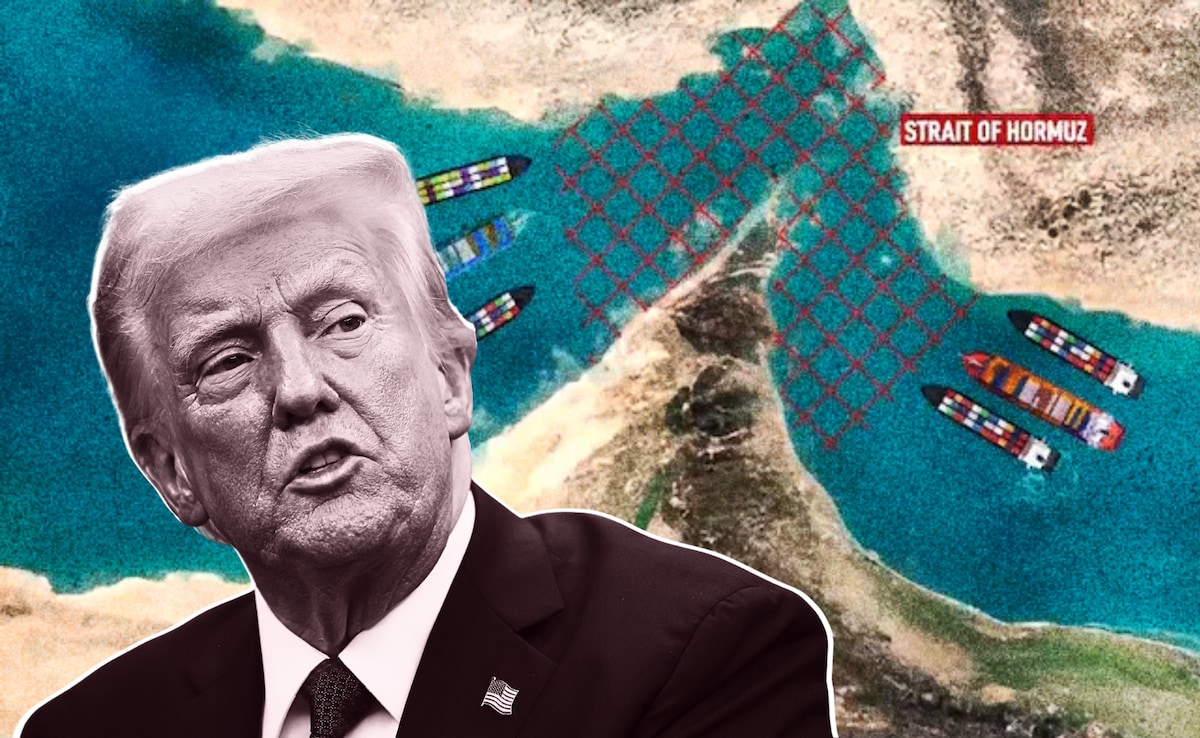
The ultimatum arrived on a Saturday night from Mar-a-Lago, delivered not through a diplomatic cable but via a social media post that set a 48-hour fuse on the global energy market. Donald Trump has demanded that Iran "fully open" the Strait of Hormuz by Monday night or face the total destruction of its power grid, starting with its largest facilities. This is no longer a localized skirmish between old rivals. It is an explicit threat to de-industrialize a nation of 85 million people, and the implications are already rattling a world where oil prices have surged 50% in less than a month.
The Strategy of Total Darkness
Trump’s threat to "hit and obliterate" Iranian power plants marks a departure from the "surgical" strikes of the early conflict. By targeting the electrical grid, the administration is moving toward a strategy of total infrastructure collapse. The primary target in the crosshairs is likely the Bushehr Nuclear Power Plant, Iran’s only commercial nuclear facility, or the massive combined-cycle plants that keep Tehran’s lights on.
This isn't just about punishing a regime. It is a desperate attempt to break a maritime siege that the U.S. Navy has so far been unable to solve with conventional patrols. The Strait of Hormuz is the world's most sensitive windpipe; a fifth of global oil and 20% of liquefied natural gas (LNG) passes through this 21-mile-wide chokepoint. Since the current war began on February 28, 2026, the flow has slowed to a trickle.
Iran’s response was immediate and mirrored the escalation. The Khatam al-Anbiya Central Headquarters warned that any strike on Iranian soil would result in retaliatory hits on desalination plants and energy hubs across the region. If Iran loses its power, it intends to ensure that America's regional allies lose their water and their ability to export the very oil Trump is trying to protect.
The Mirage of a Winding Down War
Only 24 hours before this ultimatum, the White House was signaling a "winding down" of military operations. That rhetoric has evaporated. The pivot suggests a deep frustration within the administration as the November midterm elections approach and domestic gas prices become a political liability.
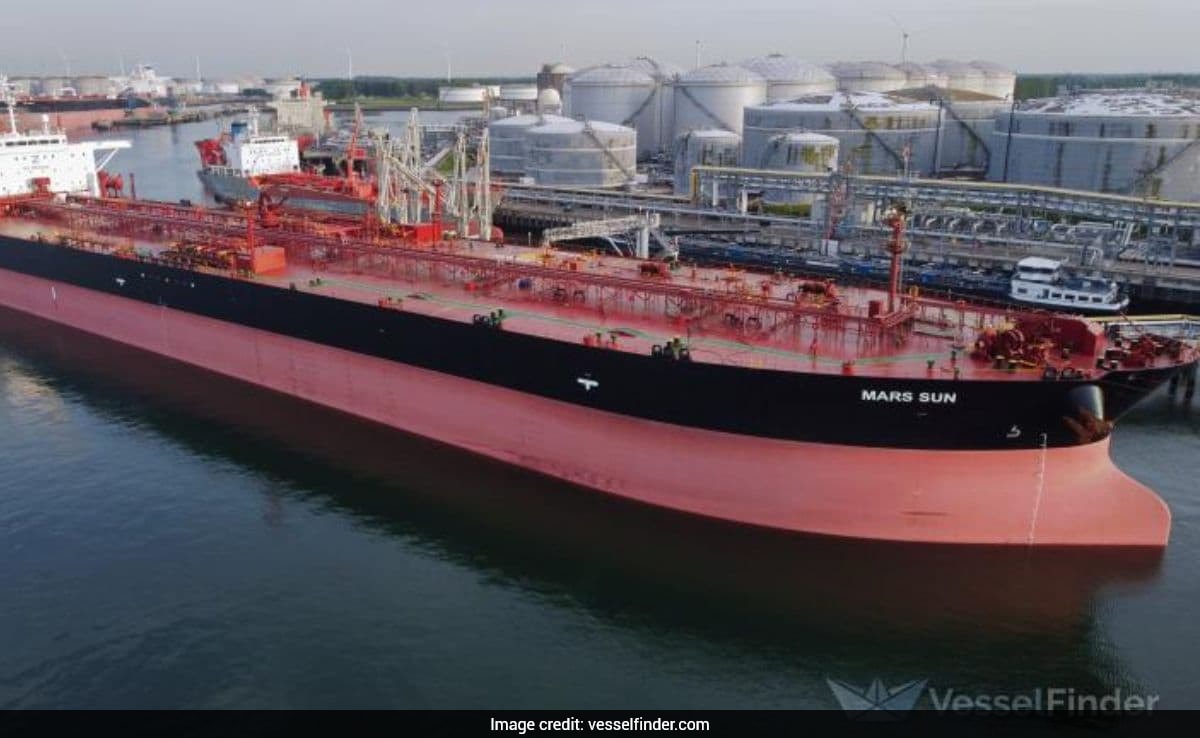
The U.S. Treasury recently took the rare step of lifting sanctions on Iranian oil already at sea to ease market pressure, but it hasn't worked. Tankers are refusing to move. Insurers won't cover them. The "shadow war" has become an open, high-stakes gamble where the U.S. is betting that the threat of a nationwide blackout will force Tehran to blink.
Historical precedent suggests otherwise. When faced with existential threats to their infrastructure, the Iranian leadership has traditionally leaned into "asymmetric" responses. They don't need a superior navy to keep the Strait closed; they only need a steady supply of low-cost drones and land-based missiles.
Alliances in Shards
The push for a "coalition of the willing" to police the Strait has largely failed. European allies, led by the U.K. and Germany, have refused to send minesweepers or frigates into what they view as an "unnecessary war." They are feeling the economic pinch, certainly, but they are more terrified of being dragged into a direct conflict with Iran that could see their own energy interests targeted.
- The U.K. position: Prime Minister Keir Starmer has clarified that while U.S. bombers can use bases like Diego Garcia for "defensive" operations, Britain will not participate in an offensive campaign against the Iranian mainland.
- The Asian Bind: Japan and South Korea, almost entirely dependent on Persian Gulf oil, are caught between their security alliance with Washington and the reality that a total war would permanently destroy their energy security.
Meanwhile, Tehran is playing a sophisticated game of "divide and conquer." Foreign Minister Abbas Araghchi has signaled that the Strait is only closed to "enemies," offering safe passage to Chinese and Japanese vessels that distance themselves from U.S. actions. This has created a chaotic maritime environment where ships are desperately trying to "re-flag" or broadcast their destinations as "CHINA" to avoid being targeted by Iranian batteries.
The Dimona Factor
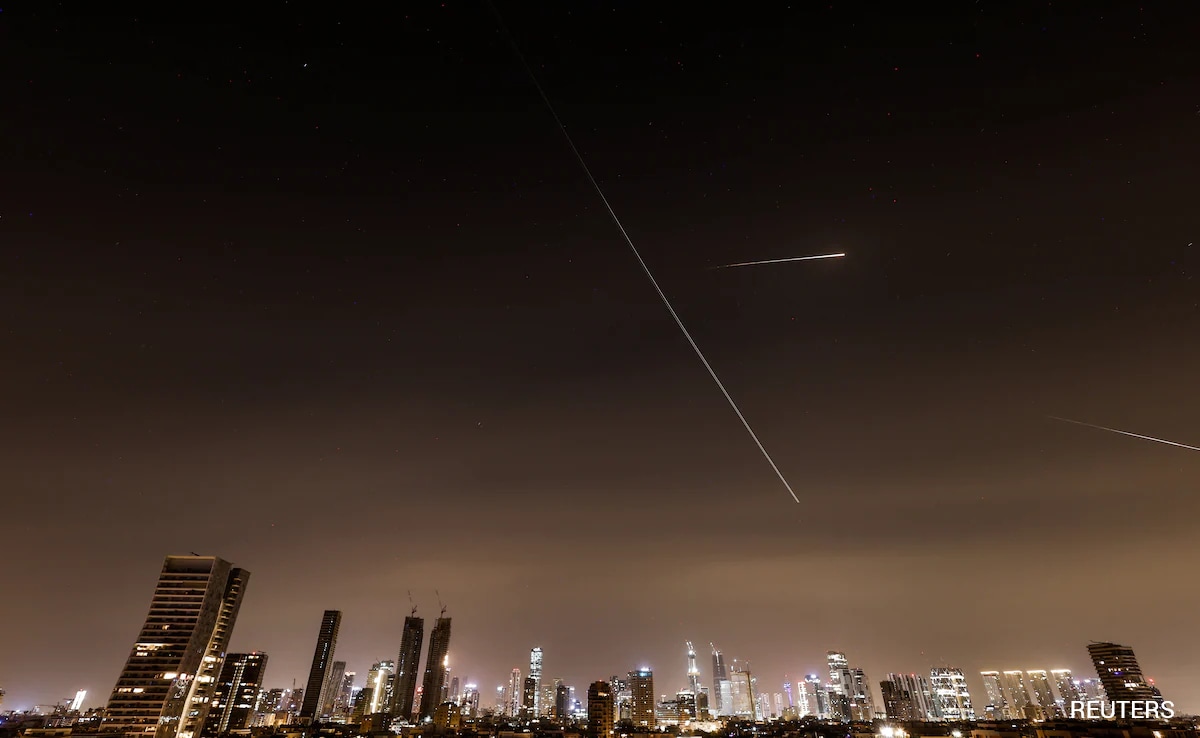
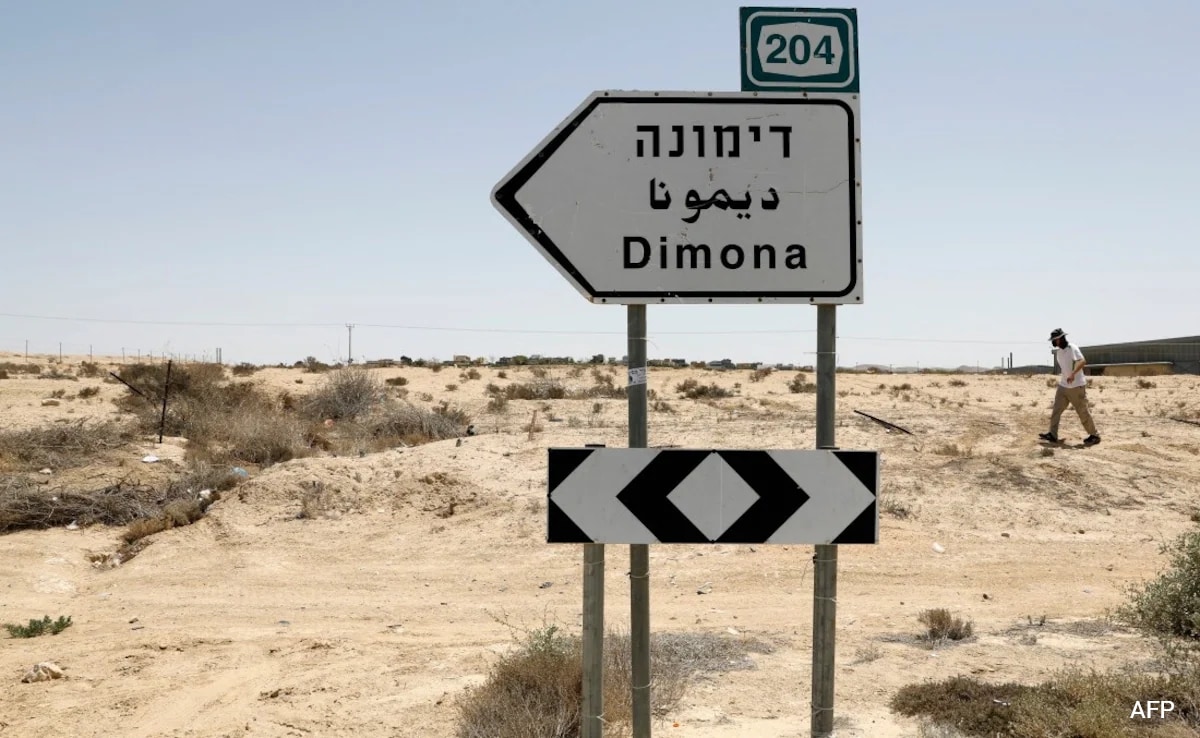
The stakes were raised even higher late Saturday when Iranian missiles successfully penetrated Israel’s air defense systems near the Dimona nuclear research center. Dozens were injured in the nearby towns of Arad and Dimona. This was a psychological blow as much as a military one. It proved that despite weeks of U.S.-Israeli strikes on Iranian launch sites, Tehran still possesses the capability to strike the most sensitive targets in the region.
If the U.S. proceeds with strikes on Iranian power plants on Monday night, the threshold for a regional conflagration will have been permanently crossed. We are no longer talking about "maximum pressure." We are looking at a scenario where the global economy is held hostage by the ability of a few dozen missile crews on the Iranian coast to keep the world’s energy supply in the dark.
The next 48 hours will determine if the 2026 Iran War remains a contained, albeit bloody, conflict, or if it transforms into a global economic catastrophe. There is no middle ground left. Either the Strait opens, or the lights go out.
Monitor the movement of the USS Tripoli and the 2,000 Marines currently positioning in the Gulf; their deployment suggests that if the power plants are hit, a ground-based follow-up to seize Iranian islands may be the next play.