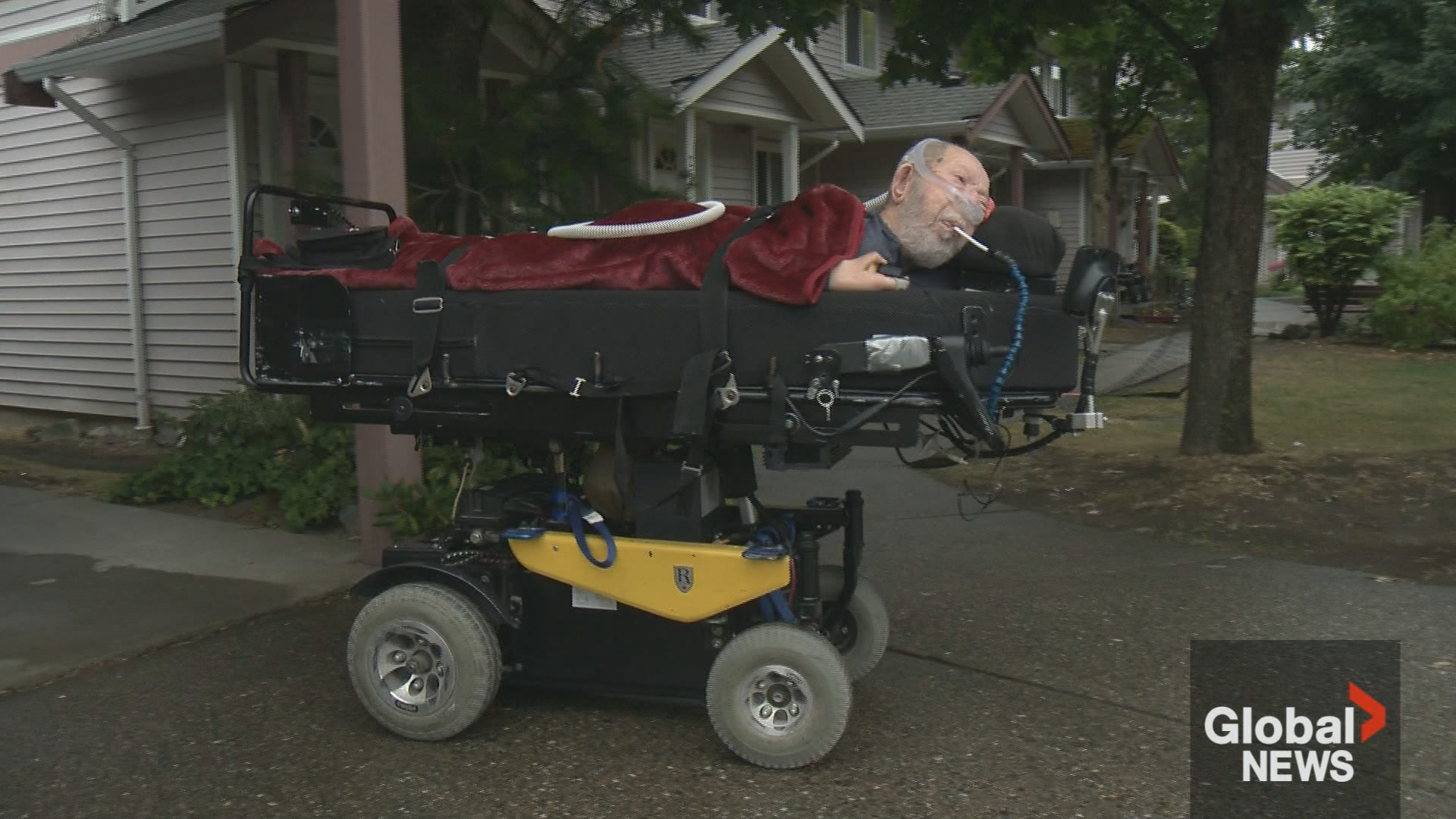
Public transit accessibility is supposed to mean freedom. For nearly three decades, Tom Cretain relied on HandyDART to get around. Living with spinal muscular atrophy means he cannot sit up independently, requiring specialized equipment. Then, a sudden cutoff notice left him entirely housebound.
When institutional bureaucracy cuts off a disabled person after twenty-eight years of continuous service, something is fundamentally broken. It forces us to look past corporate PR statements and examine how transit agencies treat their most vulnerable riders.
The Illusion of Progress After Public Backlash
Media attention changes equations quickly. Once a story hits the headlines, executives start making phone calls. Cretain heard directly from the CEO of TransLink and representatives from Transdev, the private company operating the service.
Calls do not equal solutions, though. Talking isn't moving forward.
Before the public outcry, getting past frontline phone operators was impossible. Afterward, top brass reached out, yet the core problem remained completely unresolved. A phone call from a chief executive feels hollow when you are still staring at your four walls.
When Equipment Specifications Trump Human Access
The official reason given by transit authorities comes down to hard numbers and vehicle limits. TransLink stated that Cretain's current mobility device exceeds the operating specifications of their vehicles and contracted accessible taxis. They argued it is a matter of safety rather than a policy shift.
This explanation creates a frustrating paradox. Cretain used the service successfully for twenty-eight years. Did the safety standards change, or did the agency simply stop adapting?
When public infrastructure cannot accommodate specialized wheelchairs, the system is failing its primary mandate. Accessibility cannot have an expiration date. Saying a device exceeds specifications after decades of use raises an obvious question: how did safety work yesterday, but fail today?
Systemic Flaws in Specialized Transit Contracts
Private operations managing public services often create accountability gaps. When companies like Transdev run transit fleets under regional authorities like TransLink, users get caught between bureaucratic layers.
- Frontline staff follow rigid rulebooks.
- Middle management hides behind liability policies.
- Executives step in only when public relations damage threatens their reputation.
This structure leaves disabled riders entirely dependent on charity or media intervention rather than reliable rights. Public transit should guarantee mobility as a baseline civic right, not a conditional privilege that vanishes when equipment updates or contracts shift.
What Needs to Change Right Now
Fixing specialized transit requires more than temporary fixes for high-profile news subjects. Agencies must design future vehicle fleets with flexibility in mind, rather than retrofitting outdated excuses. Equipment dimensions change, and medical technology evolves. Transit providers must evolve right alongside them.
If public networks cannot transport a long-standing commuter safely, the engineering parameters of the fleet are inadequate. Real progress means updating vehicles to fit the passengers, instead of forcing passengers to fit rigid fleet limits. Until transit planners build true adaptability into their operational models, stories like this will keep repeating.