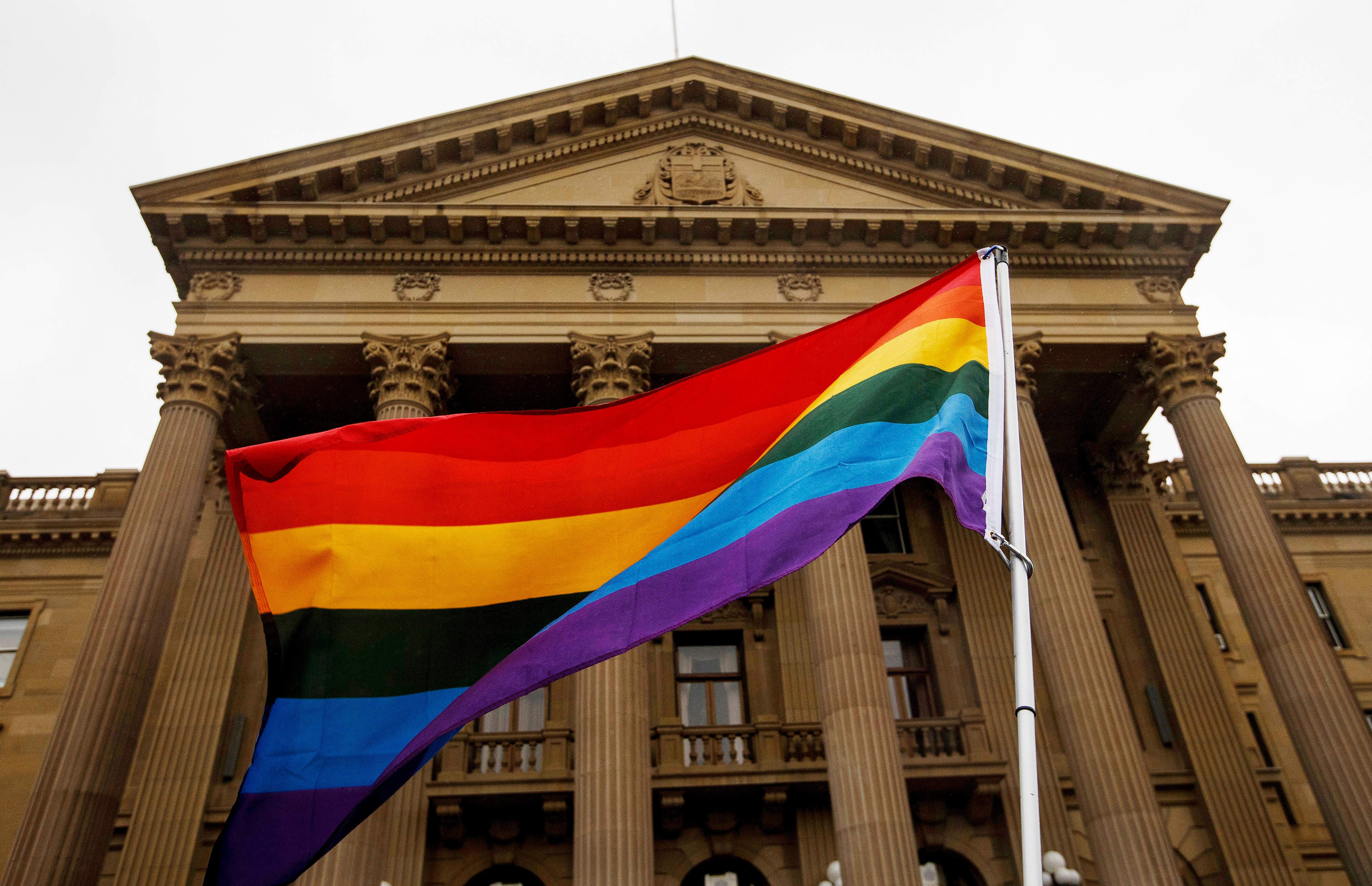
The Alberta government just took the political "nuclear option" off the shelf. By invoking the notwithstanding clause, Premier Danielle Smith’s United Conservative Party (UCP) is effectively telling the courts to step aside. They aren't just passing new rules for transgender youth; they're making those rules bulletproof against constitutional challenges for at least the next five years.
If you've been following the headlines, you know this isn't just about a single policy. It’s a sweeping move that covers three distinct areas of life: healthcare, education, and sports. The government's core argument is that these decisions are too important to be left to judges or tied up in years of litigation. But for the families and advocates on the other side, it feels like a direct hit to the fundamental rights guaranteed by the Canadian Charter of Rights and Freedoms.
The Three Laws Under the Shield
This isn't a vague "memo" anymore; it's a realized legislative strategy. The government bundled these protections into Bill 9, the Protecting Alberta’s Children Statutes Amendment Act. By applying Section 33 of the Charter—the notwithstanding clause—they've insulated three specific pieces of legislation.
- The Health Statutes Amendment Act (Bill 26): This is the heavy hitter. It bans puberty blockers and hormone therapies for children under 16. It also prohibits all gender-reassignment surgeries for minors under 18.
- The Education Amendment Act (Bill 27): This one changes the classroom dynamic. It requires parental consent for students under 16 who want to change their names or pronouns at school. If the student is 16 or 17, the school doesn't need consent but must still notify the parents.
- The Fairness and Safety in Sport Act (Bill 29): This law mandates that only those assigned female at birth can participate in female-only amateur sports leagues.
Why the Courts Were Sidelined
Before this move, the legal system was already pushing back. In June 2025, Justice Allison Kuntz of the Alberta Court of King’s Bench issued an injunction against the healthcare ban. She argued that stopping these treatments could cause "irreparable harm" to gender-diverse youth. The court was worried about the psychological toll of forcing kids through a puberty that doesn't match their identity.
The UCP didn't want to wait for the appeal process. Premier Smith has been vocal about the "high stakes," claiming that the government needs to "err on the side of caution" to protect children's future fertility. By using the notwithstanding clause, the government effectively quashed that injunction. They essentially said that even if a court finds these laws violate Section 7 (the right to life, liberty, and security) or Section 15 (equality rights), the laws will stay on the books anyway.
A Dangerous Precedent or Necessary Protection
There's no middle ground in this debate. Supporters argue that the clause exists for exactly this reason: to ensure that an elected government can carry out the will of the people without being blocked by "judicial activism." They see it as a democratic safeguard.
Critics, however, point out that the clause was meant to be used sparingly—a "break glass in case of emergency" tool. In the last year, Alberta has used it multiple times, including to end a teachers' strike. When a government starts using the nuclear option for routine policy, it changes the nature of Canadian democracy. It suggests that rights are only rights as long as the government of the day finds them convenient.
What This Means for Families Right Now
If you're a parent or a teen in Alberta, the immediate reality is that the laws are in effect.
- Healthcare: New prescriptions for blockers or hormones are generally off the table for those under 16, though there are narrow exceptions for those already receiving care.
- Schools: If a student wants to go by a different name, the school must involve the parents. There is no more "safe space" confidentiality on this specific issue.
- Sports: Eligibility is now tied to sex assigned at birth for competitive female divisions.
This shift moves the battle from the courtroom back to the political arena. Since the notwithstanding clause must be renewed every five years, the real "court" for these laws will be the next provincial election.
The Road Ahead
Don't expect the legal challenges to vanish completely. While the notwithstanding clause stops courts from striking down the law, it doesn't always stop them from issuing "declarations of unconstitutionality." These are essentially formal statements where a judge says, "This law violates the Charter, even if we can't stop you from enforcing it."
The Supreme Court of Canada is also expected to weigh in on how the clause is used more broadly in 2026. For now, Alberta has set a firm course. It's a gamble on "parental rights" and "child safety" that has deeply divided the province. If you're looking for your next step, keep a close eye on the specific ministerial orders that will define the "exceptions" for 16 and 17-year-olds in the healthcare act, as these details will determine how much flexibility doctors actually have left.


