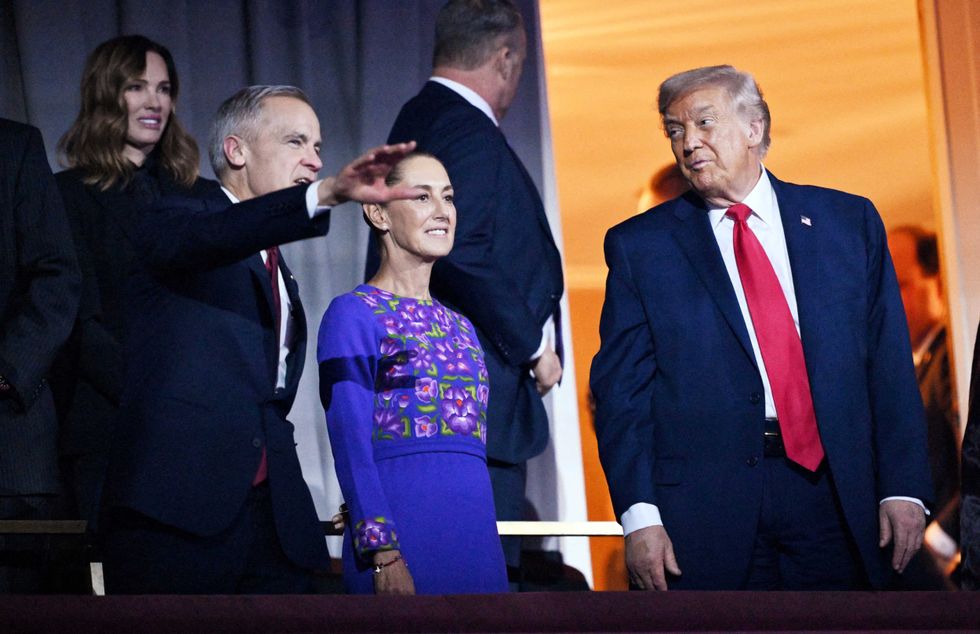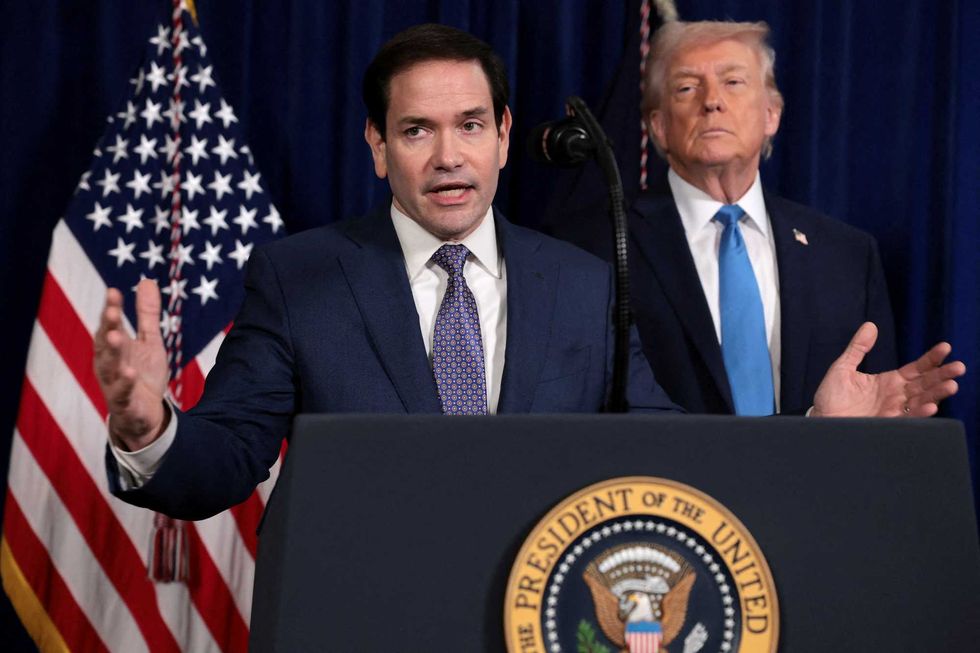
The world isn't just watching America anymore; it's bracing for it. For decades, the United States traded on a specific kind of currency: the idea that, despite our flaws, we were the stable "adult in the room." That's gone. Whether you love the current administration or hate it, the data from 2025 and early 2026 shows a country that has transitioned from a global leader to a global wild card.
We've become a nation of "Epic Fury" strikes and "One Big Beautiful Bill" energy policies. While these headlines play well to a domestic base, they're terrifying to the allies who used to rely on us. A February 2026 poll from the European Council on Foreign Relations (ECFR) found that a record number of Europeans no longer see the US as an ally that shares their values. They see a transactional partner that might walk away from a 70-year-old treaty if the check doesn't clear. That's not leadership. It's a protection racket.
The Death of American Soft Power
Soft power is the ability to get what you want through attraction rather than coercion. It's the "cool factor" that made people worldwide want to wear Levi’s, watch Hollywood movies, and, more importantly, adopt democratic ideals.
By mid-2025, that attraction had hit a wall. According to Pew Research, confidence in the US president dropped to 22% in several high-income countries. To put that in perspective, Chinese President Xi Jinping actually held higher confidence ratings in some of those same regions.
The US has spent the last year dismantling the very institutions that built its influence.
- USAID has been gutted.
- The United Nations is being treated like a nuisance rather than a tool.
- Voice of America is essentially a ghost of its former self.
When we pull back from these spaces, we don't just "save money." We leave a vacuum. And guess who’s filling it? China and Russia are more than happy to step in with their own versions of "stability," even if those versions come with a lot more strings attached.
A Democracy in "Competitive Authoritarianism"
It’s hard to preach the virtues of democracy to the rest of the world when your own house is on fire. Leading political scientists like Steven Levitsky and Daniel Ziblatt have pointed out that the US no longer functions as a "full democracy." They argue we’ve entered a phase of competitive authoritarianism.
Think about it. We have elections, sure. But the rules are being tilted so aggressively that the playing field isn't level anymore. When 58% of Americans in a CNN poll call the current administration's first year back a failure, but the policy machine keeps grinding away regardless, something is broken.
The world sees the "Your Body, My Choice" slogans and the viral clips of SNL mocking our leaders, and they don't see a vibrant democracy. They see a circus. It’s hard to be the "shining city on a hill" when the city is too busy arguing over whether to buy Greenland or strike Iran to notice the lights are flickering.
The Long Tail of Reputation Damage
Don't think for a second that this ends when the current administration eventually leaves office. The "laughingstock" label sticks because we’ve shown the world that our commitments have an expiration date of four to eight years.
International relations experts at the Stimson Center warn that 2026 is becoming a "test of assumptions." Can the US be trusted to keep a trade deal? Will we actually defend a NATO ally if they get invaded? The answer right now is: "Maybe, depends on the mood in D.C. this morning."
That "maybe" is a killer. It’s why Germany is publishing its first-ever space security strategy and why France is pushing for a "European nuclear option." Our allies are moving on. They’re realized that relying on American stability is a bad bet. Even if a more traditional leader takes over in the future, the damage is done. The world has seen what we're capable of becoming, and they aren't going to forget.
Financial and Geopolitical Costs of Unreliability
Being unpredictable isn't just embarrassing; it's expensive.
- Tariffs: Fewer than half of Americans think the new tariffs are working, according to the Chicago Council. They’re driving up costs at home and making us a pariah in global trade.
- Nuclear Proliferation: By endorsing South Korea’s pursuit of nuclear subs, we’ve kicked off a "nuclear domino" effect in Asia that will take decades to fix.
- Energy Dominance: While the White House brags about "energy dominance," the reality is a world that is aggressively pivoting toward sovereign capabilities to avoid being beholden to US whims.
If you want to understand why your dollar doesn't go as far or why global tensions feel like they're at a breaking point, look at the mirror. We've traded long-term respect for short-term "wins" that mostly consist of loud speeches and aggressive tweets.
To fix this, we can't just wait for the next election. It requires a fundamental reinvestment in the boring stuff: diplomacy, international law, and actual, non-transactional alliances. Stop treating the world like an "arena" and start treating it like a community we actually live in.
Start by looking at the actual data on our global standing rather than the curated "wins" posted on official government sites. The numbers don't lie, even if the politicians do.