You rarely hear about a ballot box actually disappearing in modern American politics. The locks stay secure. The paper trails exist. Yet by the time polls close on election night, half the country is convinced the whole system is rigged.
That shift is not accidental. It is engineered.
When political analysts obsess over phantom scenarios like ballot stuffing or massive hacking rings, they miss the real structural threat to democracy. The primary weapon used against modern elections isn't ballot manipulation. It is systematic cognitive exhaustion. It is the deliberate weaponization of uncertainty.
The Mechanics of Manufactured Confusion
Think about how a standard election cycle unfolds now. Weeks before a single vote gets cast, preliminary lawsuits challenge voter rolls. Social media feeds flood with out-of-context clips of ordinary administrative errors, framing them as smoking guns. When a local county clerk takes an extra day to sort mail-in ballots due to state laws prohibiting early processing—a delay written directly into Republican or Democratic-led state statutes—pundits turn that routine delay into a sinister plot.
The goal isn't necessarily to prove a specific fraud happened. The goal is to make you tired.
When you hear constant allegations of cheating from every direction, your brain eventually defaults to a cynical shortcut. You stop trusting the process entirely. You start believing that winning is the only legitimate outcome and losing automatically proves corruption. That cynicism destroys the invisible social contract holding a republic together long before any physical vote gets stolen.
Why Local Election Workers Became the Target
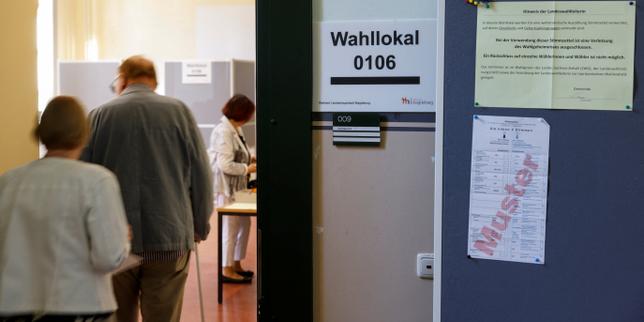
The frontline of this fog machine is no longer federal intelligence agencies or secret backrooms. It is the local county gymnasium or community center.
Thousands of volunteer poll workers and county clerks across the United States now face relentless harassment, doxxing, and intimidation campaigns. These are everyday citizens. They coach little league. They run local bakeries. When agitators turn them into targets of suspicion just for doing a boring, bureaucratic job, the talent pipeline dries up.
Experienced election administrators are quitting in droves. They are replaced by inexperienced partisans who view vote-counting through an ideological lens rather than an administrative one. That turnover introduces actual vulnerabilities into the system. The panic over fake threats creates the very real incompetence people claim to fear.
Breaking Through the Noise
If you want to protect your own sanity and community during an election season, you have to change how you consume information. Stop treating vote counts like a sports score where delays equal a scandal. Understand how your specific state handles mail-in ballots. Some states count them first; others are legally barred from opening them until election morning. A temporary lead for one party means nothing if the state constitution forces election officials to process mail-in votes last.
Look at data from non-partisan election protection networks rather than hyperventilating cable news hosts or anonymous social media accounts. Real fraud is microscopic. Studies by institutions like the Massachusetts Institute of Technology repeatedly show that American elections feature vanishingly small rates of illegal voting, precisely because decentralized, hyper-local controls make large-scale coordination virtually impossible.
Democracy doesn't die in darkness. Sometimes, it suffocates in broad daylight under a thick, manufactured cloud of endless complaining. Don't let yourself get lost in it. Focus on local facts, support your neighborhood election workers, and remember that a slow count is almost always just a thorough count.