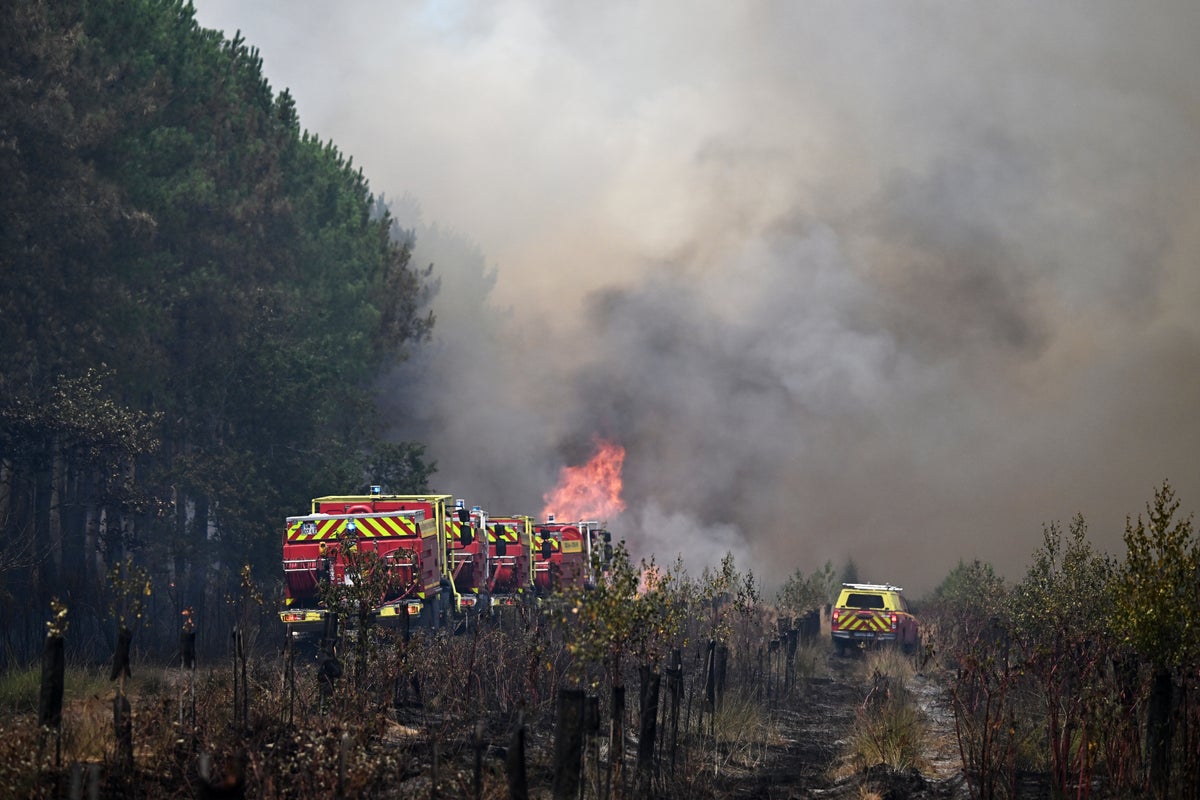
Geographic concentration and escalating thermal anomalies define contemporary Mediterranean wildfire distribution, turning seasonal burning into a continuous structural hazard across Southern Europe. Greece occupies a central node in this vulnerability matrix. The intersection of prolonged meteorological drought, flammable sclerophyllous vegetation, and demographic shifts in rural land use creates a persistent ignition environment. When EU monitoring agencies flag systemic risks across the continent, the warning addresses a structural failure in regional fire management economics rather than isolated weather anomalies.
Analyzing this environment requires dismantling the standard narrative of unpredictable natural disasters. Wildfires in Greece operate according to predictable systemic variables: fuel load accumulation, wind-driven propagation vectors, and resource allocation bottlenecks during peak suppression windows. Treating these events as black swan occurrences guarantees recurring operational failure. Instead, mitigation must be understood as a resource distribution problem constrained by geography, topography, and financial capital.
The Triad of Wildfire Escalation
Mediterranean fire regimes depend on three foundational components: ignition sources, meteorological catalysts, and fuel dynamics. Understanding how these factors interact exposes the limits of reactive suppression strategies.
Fuel Load Dynamics and Land Abandonment
Rural depopulation over the past four decades altered the Greek countryside. Traditional agricultural practices, grazing, and localized forestry management historically maintained mosaic landscapes that broke continuous fuel beds. As rural populations aged and migrated to urban centers, agricultural terraces fell into disuse.
Unmanaged shrublands dominated by pine, cistus, and scrub oak expanded unchecked. These species contain high concentrations of volatile organic compounds and resins, lowering their ignition threshold. When dead biomass accumulates beneath a dense canopy, the vertical and horizontal continuity of the fuel bed allows surface fires to transition rapidly into high-intensity crown fires. Suppression forces cannot safely intervene against crown fires driven by local thermal winds, rendering standard tactical playbooks obsolete once this transition occurs.
Meteorological Catalysts and the Vapor Pressure Deficit
Weather variables dictate the velocity of fire propagation. Sustained high temperatures, low relative humidity, and persistent drought conditions widen the vapor pressure deficit, drawing moisture out of both living vegetation and dead surface litter.
In Greece, summer atmospheric conditions are regularly dominated by high-pressure ridges that suppress precipitation and generate stable, dry air masses. When regional wind systems—such as the Etesian winds—interact with complex topography, they produce erratic wind vectors. These winds preheat downwind vegetation through convective and radiative heat transfer, accelerating the rate of spread beyond the physical response time of ground-based firefighting units.
Ignition Vectors and Human Agency
Natural ignitions from lightning represent a minor fraction of Mediterranean wildfire starts. The vast majority of ignition events stem from human activity, ranging from agricultural burning and electrical grid failures to deliberate arson.
The economic cost of human-caused ignitions is magnified by proximity to wildland-urban interfaces. As residential development expands into forested areas without adequate defensible space zoning, the probability of structural loss per ignition event increases exponentially. Emergency responders are forced to divide tactical priorities between perimeter containment and structural protection, diluting suppression efficiency at critical moments.
The Economics of Suppression Versus Mitigation
Current public expenditure patterns heavily favor suppression over structural mitigation. This allocation strategy exhibits diminishing returns and high systemic risk.
[Traditional Allocation] -> High suppression capital -> Reactive containment -> Escalating ecological damage
[Optimal Allocation]     -> High prevention capital  -> Fuel load reduction -> Controlled risk profile
Suppression expenditures include aircraft leasing, heavy machinery operation, overtime pay for emergency personnel, and post-disaster infrastructure repair. These costs scale non-linearly with fire size. A small fire caught within the first operational hour requires minimal capital; a multi-thousand-hectare crown fire consumes vast resources while yielding low containment probability until weather conditions shift independently of human intervention.
Mitigation economics, by contrast, require front-loaded capital investments in prescribed burning, mechanical thinning, infrastructure hardening, and early-detection sensor networks. These interventions lower the baseline energy output of potential fires. However, budgetary frameworks in many Southern European states remain reactive. Fiscal allocations spike in response to media attention following catastrophic events and recede during calmer periods, preventing long-term operational continuity.
Operational Bottlenecks in Regional Response
When multiple fires erupt simultaneously across disparate geographic zones, national response capacity encounters strict logistical ceilings. Greece's rugged peninsular and insular topography restricts rapid ground transit. Fire engines navigating narrow rural road networks face physical transit delays that allow initial-attack fires to escape containment boundaries.
Aerial firefighting assets offer rapid transit times but introduce severe operational constraints. Fixed-wing aircraft and helicopters require localized water refill stations, clear flight paths, and manageable smoke density to maintain payload delivery frequency. Extreme turbulence generated by intense fire plumes routinely grounds aerial assets precisely when their cooling and retarding effects are most needed.
Furthermore, pan-European mutual aid mechanisms, while essential during severe seasonal peaks, suffer from deployment latency. Mobilizing firefighting aircraft and ground crews from northern or western EU member states requires diplomatic clearance, transport logistics, and site familiarization. By the time foreign reinforcements integrate into local command structures, the operational phase of the fire may have shifted entirely.
Strategic Realignment of Risk Management
Mitigating future catastrophic seasons requires shifting the analytical focus from emergency response logistics to landscape-scale energy dissipation.
Municipalities must enforce strict building codes within high-risk interfaces, mandating non-flammable roofing materials, cleared perimeter zones, and underground utility lines to prevent grid-initiated sparks. Forestry departments need authorization and funding to scale prescribed burning windows during cooler months, actively reducing the fine fuel loads that feed extreme summer fires.
Resource allocation models should incorporate real-time fuel moisture telemetry and predictive atmospheric modeling to pre-position mobile strike teams before ignition events occur, replacing geographic dispersion with calculated concentration of force at high-probability vulnerability nodes.