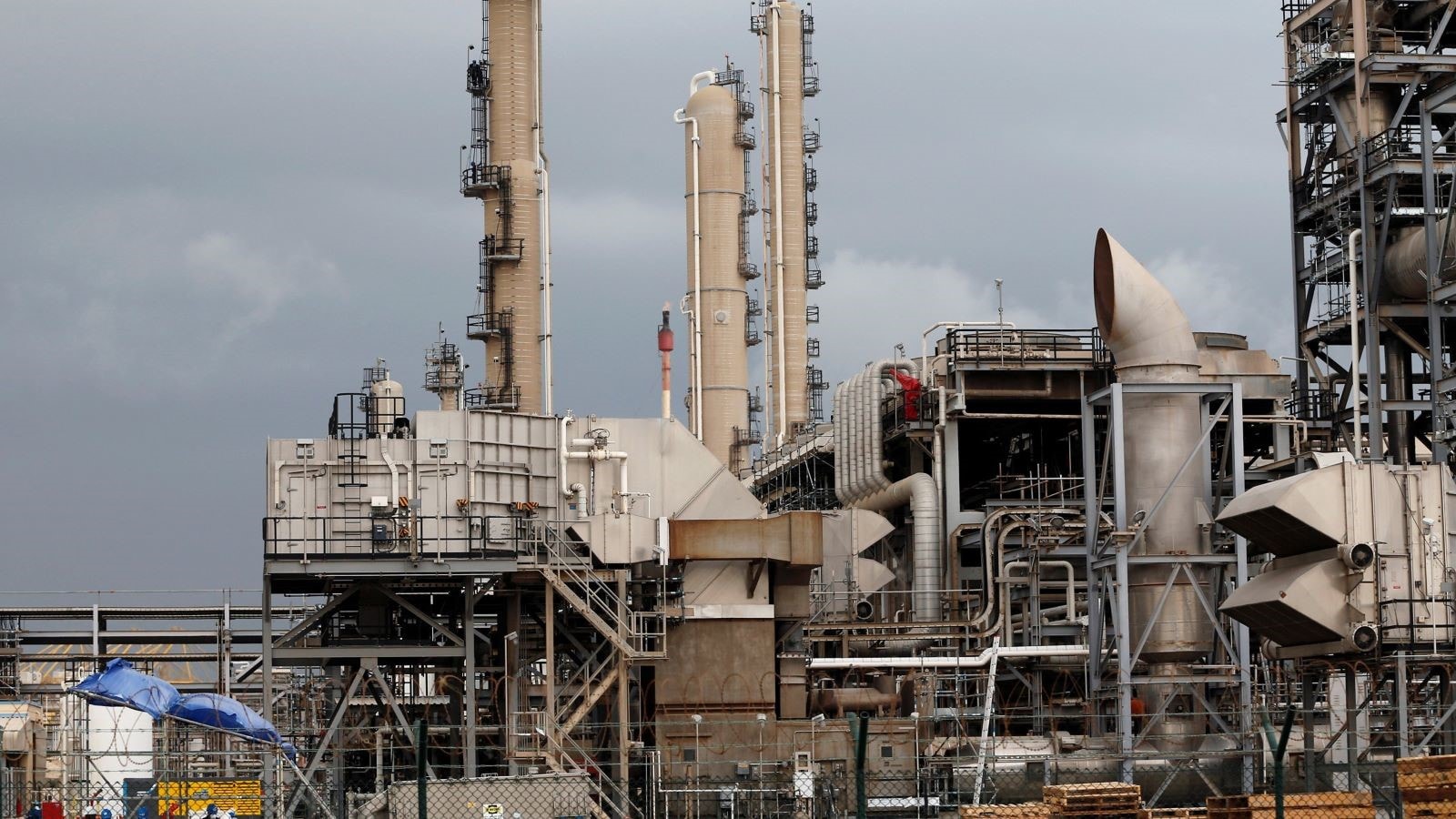
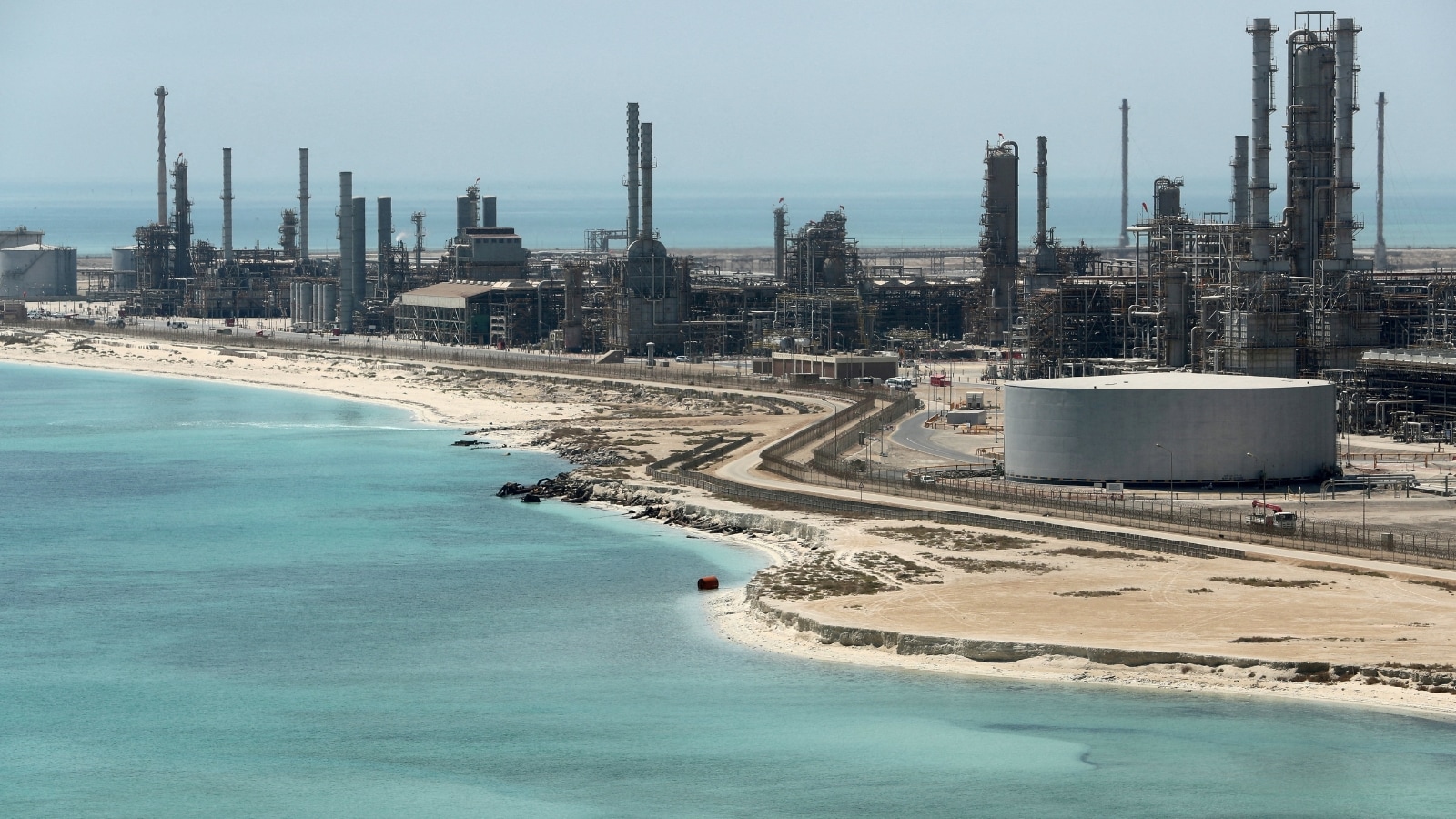
Pakistan is on the verge of a total dry-out of its liquefied petroleum gas (LPG) supply chain because the state regulatory apparatus operates on an economic fallacy. By decoupling domestic retail price ceilings from international spot market realities, the state has rendered fuel imports a mathematically guaranteed financial loss.
When a nation relies on imports for a critical portion of its energy mix, price-setting regulatory mandates do not protect the consumer. Instead, they act as an economic circuit breaker that shuts down the supply chain entirely. The current dispute between the LPG Importers Association of Pakistan (LPGIAP) and the Oil and Gas Regulatory Authority (OGRA) demonstrates the catastrophic failure mode of price controls in a volatile global market.
The Three Vectors of Landed Cost Divergence
The structural breakdown of Pakistan’s LPG market stems from a widening divergence between the state-notified retail price and the actual landed cost of imported fuel. This variance is driven by three distinct, compounded cost vectors that the official pricing formula fails to absorb.
The Macroeconomic and Geopolitical Risk Premium
The baseline cost of imported LPG is tethered to international benchmarks, which have escalated sharply due to regional instability in the Middle East and structural bottlenecks in the Strait of Hormuz. This geopolitical risk premium manifests directly in spiked freight insurance rates and variable spot pricing.
When these international price spikes intersect with local currency depreciation, the baseline cost inflation doubles. A weaker Pakistani Rupee expands the capital required to secure each metric ton of fuel, expanding the initial procurement deficit before the cargo even arrives at port.
Institutional Port and Financial Friction
Beyond the raw product cost, the regulatory framework ignores the fixed and variable operational frictions at the point of entry. Port handling fees, demurrage charges due to offloading delays, and escalating financing costs required to open Letters of Credit (LCs) create a substantial secondary layer of expense.
As commercial banks price in higher country-risk profiles for Pakistan, the capital expenditure required to fund maritime energy shipments grows. The current regulatory pricing model treats these financing and port handling costs as static variables, despite their highly dynamic nature in an unstable financial environment.
Domestic Logistics and Border Flaws
The final layer of cost inflation occurs between the port of entry or border and the distribution hubs. A significant portion of Pakistan’s LPG is trucked overland from borders such as Iran, requiring journeys that span thousands of kilometers.
OGRA’s pricing mechanism assumes a flat, idealized domestic transportation tariff. The real-world cost functions are drastically different, altered by:
- Arbitrary freight rate calculations that fail to match actual long-haul fuel burn and fleet maintenance costs.
- Severe deterioration of law and order along transit routes, particularly in Balochistan, where attacks on LPG bowsers have inflicted massive direct asset losses.
- Systemic rent-seeking behavior and administrative extortion at internal security and provincial checkpoints, which functions as an unmapped, mandatory operational tax.
The Mathematics of Forced De-stocking
To understand why importers are freezing operations, one must look at the structural deficit imposed by the late-June regulatory price adjustment. OGRA reduced the consumer price of LPG significantly, setting the official rate at roughly Rs241 per kilogram for July.
This regulatory mandate ignores the real-world cost curve. The actual market clearing price required to cover international procurement, maritime or overland logistics, security risk, and a survival margin for distributors hovers between Rs480 and Rs550 per kilogram.
[International Spot Price + Freight + Port Fees + Real Freight] = Rs480 - Rs550/kg
                                     vs.
[OGRA Mandated Retail Price Ceiling]                            = Rs241/kg
This structural gap creates a negative arbitrage. Importers are legally required to sell fuel at a price that fails to cover the bare physical cost of delivery.
When a regulatory body forces an enterprise to lose money on every unit of volume sold, the rational economic response is immediate capital preservation. Importers cannot absorb heavy financial losses on consecutive shipments indefinitely.
They stop opening Letters of Credit, cancel future supply contracts, and suspend terminal operations. The immediate consequence is systemic de-stocking across the country's strategic energy reserves.
Systemic Contagion Across the Wider Energy Mix
The collapse of the LPG distribution network does not happen in isolation. It accelerates a multi-front collapse across Pakistan’s broader energy architecture, which is already under severe stress from natural gas shortages and power grid instabilities.
The Thermal Substitution Pressure
Pakistan’s domestic natural gas production has been in terminal decline for years, leaving the industrial and residential sectors dependent on imported liquefied natural gas (LNG). However, the closure of the Strait of Hormuz and regional military escalations have disrupted long-term LNG deliveries and forced state entities into emergency spot market purchases at exorbitant rates.
The resulting 15 percent spike in Regasified Liquefied Natural Gas (RLNG) prices has forced the state to ration gas supplies to residential consumers and small-scale commercial operations. This structural deficit forces millions of households and commercial enterprises to turn to LPG as their primary alternative for basic survival needs like cooking and heating.
By choking off the LPG supply simultaneously through flawed pricing mechanics, the regulatory state eliminates the final safety valve for thermal energy demand.
The Circular Debt Multiplier
When formal supply chains collapse due to price caps, the product does not vanish; it migrates to the black market. The massive divergence between the official Rs241 price and the informal Rs500+ market reality proves that price controls cannot suppress scarcity value.
The economic fallout of this shift includes a major structural drag on the state's finances. As formal, tax-paying importers shut down their facilities, the state loses import duty revenues and sales tax collections.
Concurrently, the lack of affordable gas forces the broader economy to rely on less efficient energy substitutes, driving up the costs of commercial goods and industrial manufacturing. This dynamic adds directly to the country's multi-trillion-rupee energy circular debt by driving structural inefficiencies and reducing the tax base available to service energy infrastructure liabilities.
Operational Imperatives for Market Stabilization
Fixing a structural market failure requires moving away from arbitrary, politically motivated price adjustments toward a formula rooted in strict economic accounting. The government cannot price-control its way out of a physical fuel shortage.
Transition to a Dynamic Cost-Plus Import Pricing Matrix
The existing static price notification system must be replaced by a dynamic, automatically adjusting pricing index. This model should calculate retail price ceilings based on real-time rolling averages of international spot prices, actual freight insurance premiums, and verifiable commercial bank financing costs.
Regulatory bodies must stop guessing transportation costs. The formula must incorporate localized transportation adjustments that accurately reflect the distance, security overhead, and actual line-haul expenses incurred by transporters moving fuel through unstable trade corridors.
De-risking Strategic Supply Corridors
The physical supply of LPG will remain volatile as long as domestic transport assets face direct security threats. The state must deploy targeted security escorts for fuel bowsers traveling through vulnerable regions in Balochistan.
Eliminating arbitrary internal checkpoints and administrative harassment will immediately reduce the variable transit time and lower the artificial costs built into the domestic distribution network.
Realignment of the Gas Sector Priority Order
The state must recognize that the era of cheap, subsidized domestic gas is over. Diverting expensive imported fuels to subsidized residential sectors to suppress political unrest only deepens the sovereign debt crisis.
The regulatory framework must allow market-driven pricing to incentivize private capital investment in LPG storage infrastructure and terminal capacity. Expanding domestic storage cushions the economy against spot price volatility and supply shocks when international shipping lanes are compromised.
The immediate structural play for the state is clear: it must abandon the artificial July price cap and allow formal retail prices to realign with actual landed costs. Failure to take this step within days will result in an absolute supply stoppage, driving the entire LPG market into the informal shadow economy and triggering a severe, unmanaged energy crisis across millions of households and industries.