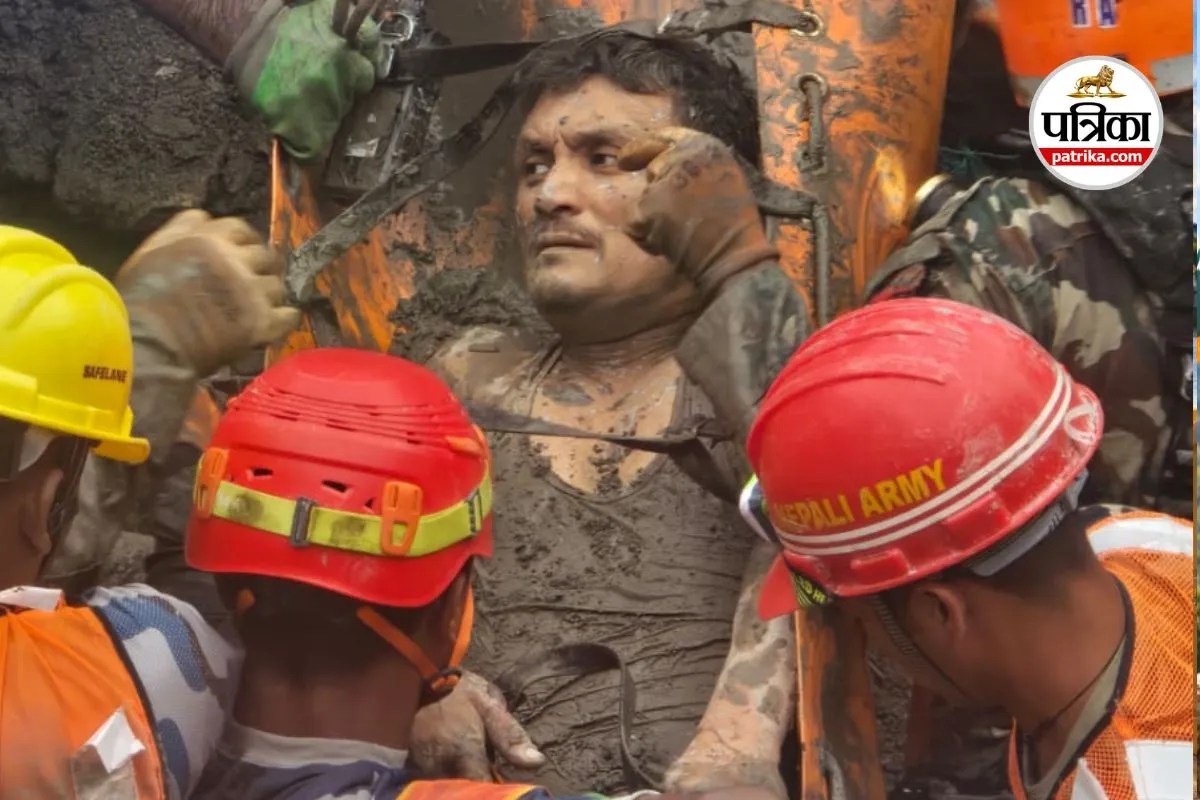
Survival outcomes in subterranean infrastructure failures depend entirely on micro-environmental stratification, air pocket physics, and the metabolic conservation window of the trapped human body. When water ingress breaches a confined tunnel network, the event is not merely a localized inundation; it is a rapid fluid-dynamic shock that divides the subterranean volume into two distinct zones: an immediate hydrostatic pressure chamber and a transient pneumatic trap. Analyzing the extraction of Sanjay Sah and Kabir Maharjan nine days after the 2026 Nepal flood requires abandoning anecdotal narratives to examine the structural mechanics of survival under extreme anoxic and hydraulic stress.
Subterranean flooding events present a severe multi-variable constraint problem for both victims and rescue logicians. The primary determinant of survival beyond the seventy-two-hour threshold is not water consumption capacity, but the maintenance of a pressurized, breathable atmospheric pocket coupled with low-energy physiological stasis.
The Air Pocket Mechanics of Subterranean Voids
When a tunnel floods catastrophically, air is displaced by incoming water columns. Complete saturation occurs unless structural anomalies, geometric dead ends, or elevated ceiling profiles create trapped pneumatic bubbles.
In engineering terms, these pockets function as enclosed barometric chambers. As water fills the lower strata, the remaining air volume is compressed against the roof of the structure. This compression elevates the partial pressure of oxygen to temporary, sometimes toxic, levels initially, before metabolic consumption and carbon dioxide buildup degrade the mixture.
The physiological survivability of a nine-day confinement inside such a pocket relies on three strict physical constraints:
- Volumetric Gas Ratio: The total mass of oxygen available within the sealed pocket must exceed the cumulative metabolic consumption rate of the trapped individuals for the duration of the entrapment.
- Thermal Regulation: Subterranean rock and concrete act as massive heat sinks. Hypothermia is the primary mortal threat in prolonged water-immersion scenarios, far outranking dehydration within the first week. If the trapped individuals can maintain a dry posture above the waterline, the ambient temperature stability of deep earth prevents rapid core temperature collapse.
- Carbon Dioxide Scrubbing: Without active ventilation, exhaled carbon dioxide accumulates. Hypercapnia induces lethargy, confusion, and eventually respiratory arrest long before total oxygen depletion occurs. Natural leakage through porous strata or micro-fractures in the concrete liner often acts as an unintended diffusion valve, preventing lethal carbon dioxide accumulation.
The Physiological Cost Function of Prolonged Confinement
Human survivability under extended subterranean isolation follows a distinct degradation curve. In the absence of exogenous caloric intake, the body shifts from glucose metabolism to lipid oxidation, and eventually to proteolysis. However, water deprivation remains the acute limiting factor, typically resulting in renal failure within three to five days.
The survival of Sah and Maharjan past the standard medical threshold indicates access to a subterranean water source that was chemically viable—low in suspended particulate matter and industrial chemical leachate. The absence of severe gastrointestinal infection during the nine-day window suggests that the water consumed was either condensation, seepage through filtered geological strata, or trapped municipal infrastructure water that avoided heavy silt contamination.
Metabolic adaptation during such events is characterized by profound behavioral bradycardia and hypometabolism. Trapped subjects instinctively minimize movement to reduce oxygen demand and heat production. This behavioral conservation mimics a state of controlled torpor, reducing caloric expenditure to baseline basal metabolic requirements.
The Operational Logistics of Late-Stage Extraction
Rescue operations transitioning from active search-and-rescue to recovery phases typically abandon high-probability tracking after the initial ninety-six-hour window, based on standard actuarial survivability curves. The successful extraction of survivors on day nine forces a recalibration of extraction protocols, shifting focus from surface-level clearing to acoustic and pneumatic probing of structural voids.
The operational bottleneck in post-flood subterranean extraction involves three distinct phases:
- Hydraulic Stabilization: Pumping water out of a collapsed or partially blocked tunnel must be executed with precise volumetric control. Rapid dewatering can alter internal pressure differentials, triggering secondary structural collapses or destabilizing mud walls that seal existing air pockets.
- Atmospheric Re-equilibration: Introducing fresh oxygen into a long-sealed, high-carbon-dioxide environment can induce sudden physiological shock or explosive combustion if methane pockets are present. Controlled ventilation must precede human entry.
- Triage Under Confined Extraction Constraints: Medical stabilization must begin within the extraction corridor. Refeeding syndrome and crush-related myoglobinuric renal failure pose severe systemic risks the moment circulation is fully restored to compressed or starved muscle tissues.
Deploy subterranean acoustic sensors capable of detecting low-frequency seismic vibrations, such as tapping or vocal resonance, up to fourteen days post-event, while mandating continuous pneumatic injection into all identified structural dead zones regardless of initial thermal imaging readouts.