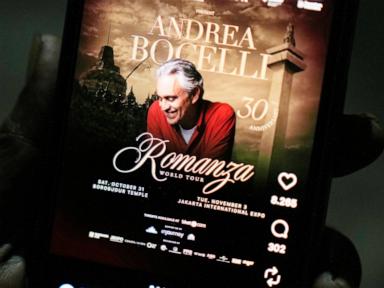
Opera rarely sparks street-level political drama. Yet when Italian tenor Andrea Bocelli scheduled a performance at Jakarta's Sentul International Convention Center back in May 2011, conservative Islamic groups in Indonesia immediately pushed back, demanding the show be canceled before a single note was sung.
They failed. The concert went forward as planned, with organizers standing firm and ticket holders filling the venue.
If you're trying to understand how international touring works in Southeast Asia—or why certain Western acts face intense scrutiny in Jakarta while others sail through without a headline—this specific clash explains everything. It wasn't really about classical music. It was a test of cultural boundaries, local politics, and how event promoters survive in the world's most populous Muslim-majority nation.
What Actually Happened With Andrea Bocelli's Indonesia Concerts
The controversy kicked off weeks before Bocelli was set to take the stage on May 15, 2011. Several conservative Muslim clerics and hardline groups voiced sharp opposition to the performance, arguing that Western entertainment clashed with local religious values and could corrupt public morals.
Promoters didn't blink.
Instead of pulling the plug, the event organizers—backed by local authorities—confirmed the show would proceed on schedule. Security around the Sentul International Convention Center in Bogor, just outside Jakarta, was quietly tightened to ensure ticket holders could enter safely without disruption.
Here's why this caught so many international observers off guard. Usually, when conservative groups in Indonesia mobilize against a foreign artist, promoters panic. They cancel. They issue apologetic press releases and eat millions in lost deposits.
Not this time.
Bocelli's team and the Indonesian organizers recognized a crucial distinction that many foreign booking agents miss. The protests weren't backed by mainstream Islamic organizations like Nahdlatul Ulama or Muhammadiyah, which represent tens of millions of moderate Indonesian Muslims. The pushback came from vocal, hardline factions looking for media oxygen.
Why Conservative Clerics Targeted a Classical Tenor
It sounds bizarre on paper. Andrea Bocelli isn't exactly known for provocative choreography, explicit lyrics, or stage antics. He stands behind a microphone in a tuxedo and sings Puccini.
So why target him?
To understand the opposition to Andrea Bocelli's Indonesia concerts, you have to look at the broader pattern of cultural politics in Jakarta during that era. Hardline groups frequently used high-profile foreign events as symbolic battlegrounds to assert influence and test the resolve of local authorities.
Three specific factors made Bocelli an easy target for headlines:
- High visibility and elite pricing. Tickets for the Sentul show were among the most expensive ever sold in Indonesia at the time, with VIP seats reaching tens of millions of rupiah. Criticizing an ultra-luxury Western event played well to populist grievances.
- Western cultural symbolism. To hardline clerics, any major European or American entertainer represented Western secularism encroaching on Indonesian society, regardless of whether the performer was singing pop or classical opera.
- Timing and precedent. Clerics had successfully pressured organizers into canceling or altering other international events in previous years, creating an expectation that public threats would automatically force a cancellation.
Honestly, the music itself was almost irrelevant. If you've ever worked in live entertainment across Southeast Asia, you know that protests rarely target the actual setlist. They target the symbol.
The Pattern of Concert Controversies in Jakarta
Bocelli's standoff didn't happen in a vacuum. Indonesia has a long, complicated track record with international touring acts, and the outcomes depend heavily on how promoters handle the initial wave of outrage.
Look at what happened just a year later in 2012 with Lady Gaga. When she booked Jakarta's Gelora Bung Karno Stadium for her Born This Way Ball tour, hardline groups like the Islamic Defenders Front (FPI) threatened massive protests and physical blockades. Police initially hesitated to issue a security permit, and Gaga's management ultimately canceled the sold-out 50,000-seat show over safety concerns.
Compare that to other major acts that navigated the exact same environment:
- Beyoncé (2007): Faced intense pressure from conservative groups over her stage wardrobe. Rather than canceling, her team agreed to tone down outfits and wear more conservative clothing for the Jakarta audience. The show went on.
- The Pussycat Dolls (2009): Encountered similar moral objections from religious leaders. They adjusted their costumes, modified their choreography, and completed the date without incident.
- Iron Maiden (2011): Played Jakarta just months before Bocelli. Despite occasional conservative grumbling about heavy metal imagery, the band performed to a massive crowd because organizers secured proper police permits early and kept the political temperature low.
Notice the difference? Shows get canceled when security permits stall or when Western management teams get spooked by translated news reports. Shows proceed when local promoters maintain strong relationships with police and refuse to amplify fringe protests.
What Most People Get Wrong About Indonesia's Live Music Scene
There's a lazy stereotype in Western media that Indonesia is uniformly hostile to international entertainment. That's completely false.
Jakarta is one of the biggest, most lucrative live music markets in Asia. Indonesian fans are fiercely passionate, ticket demand for global artists routinely outstrips supply, and the vast majority of the population has zero interest in banning concerts.
The friction comes from a specific political dynamic. Indonesia is a democracy with a vocal conservative minority that knows how to use street protests and media outrage to punch above its weight. Local politicians and police chiefs sometimes hesitate to confront these groups directly because they don't want to look anti-Islamic in front of voters.
When Andrea Bocelli's Indonesia concerts proceeded, it proved that the system works when authorities do their jobs. The police guaranteed security, the venue held firm, and the protests fizzled out once it became clear nobody was backing down.
How Touring Promoters Actually Navigate Permit Hurdles
If you're booking talent, managing a tour, or analyzing live entertainment risks in emerging markets, the Bocelli episode offers a masterclass in crisis management. You can't treat Jakarta like London or New York. Standard Western PR playbooks will sink your event before load-in even starts.
Here is what actually works on the ground when religious or political opposition threatens a show:
Lock Down National Police Permits Early
In Indonesia, a concert cannot legally happen without a crowd permit (izin keramaian) from the Indonesian National Police (Polri). Hardline groups try to block shows by pressuring local precinct commanders to withhold this paperwork. Experienced promoters secure clearances at the national level weeks in advance so local pressure campaigns hit a brick wall.
Never Engage in Public Debates With Protesters
The biggest mistake foreign artists make is issuing public statements defending their artistic freedom or criticizing local clerics. That pours gasoline on a fire. Bocelli's camp stayed completely silent in the press, letting the Indonesian organizers handle the messaging quietly behind closed doors.
Understand the Venue Geography
Choosing Sentul International Convention Center in Bogor rather than an open-air stadium in central Jakarta was a massive tactical advantage. Enclosed, suburban venues with controlled highway access are exponentially easier for police to secure than downtown arenas surrounded by dense residential neighborhoods.
Respect Local Sensitivities Without Capitulating
You don't need to cancel a show to respect a host country. Simple adjustments—like avoiding scheduling performances during major Islamic holidays such as Ramadan or Eid al-Fitr, and ensuring promotional posters don't feature overtly provocative imagery—remove 90% of the ammunition critics use to rally crowds.
If you're tracking international tour routing or evaluating concert cancellations in Southeast Asia, always look past the initial headlines about cleric protests. Check whether the national police permit has been issued, look at the venue's physical security footprint, and see if mainstream religious bodies have actually weighed in—because when fringe groups stand alone, the show almost always goes on.


