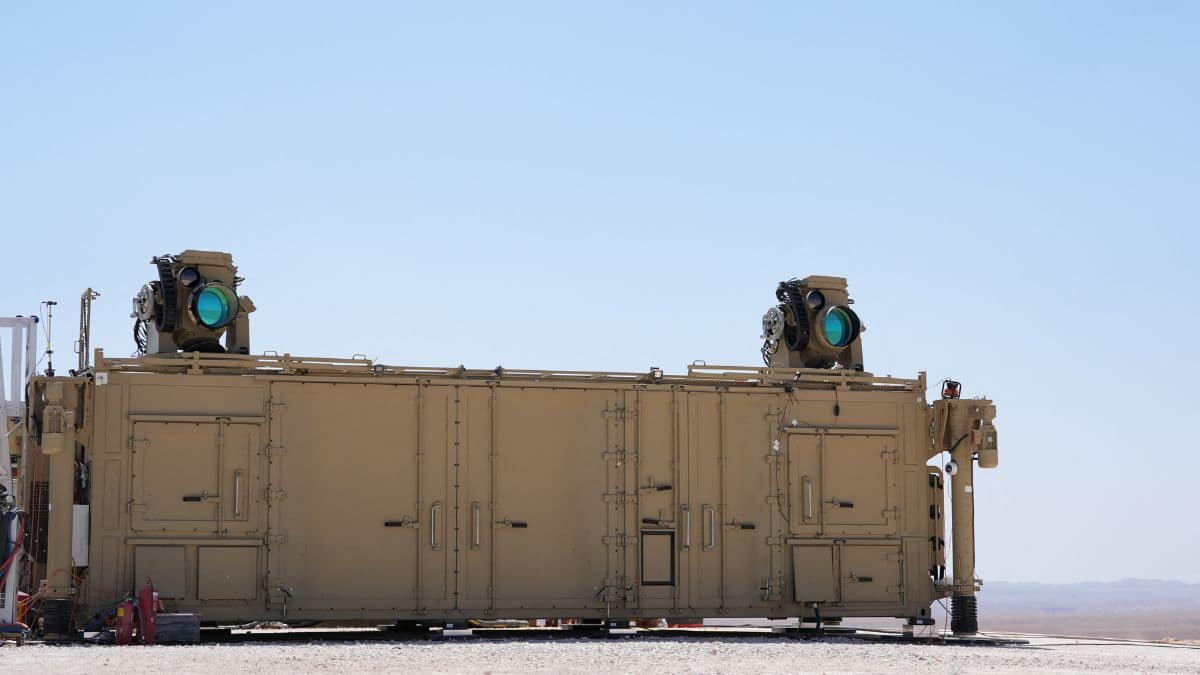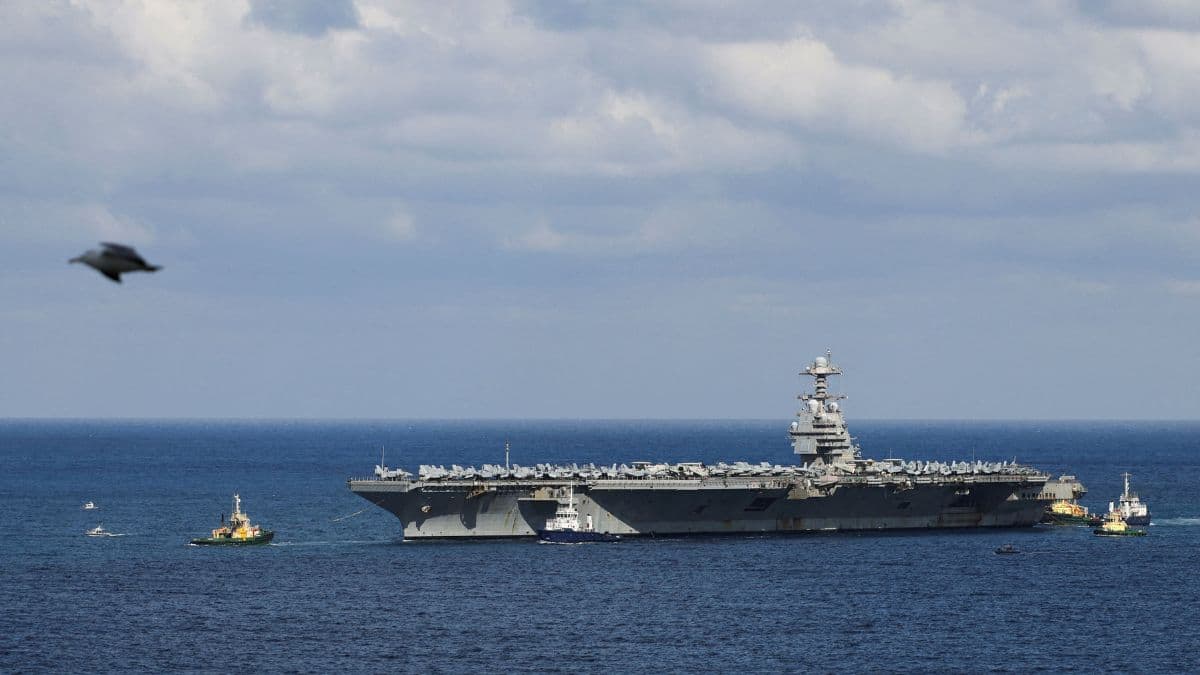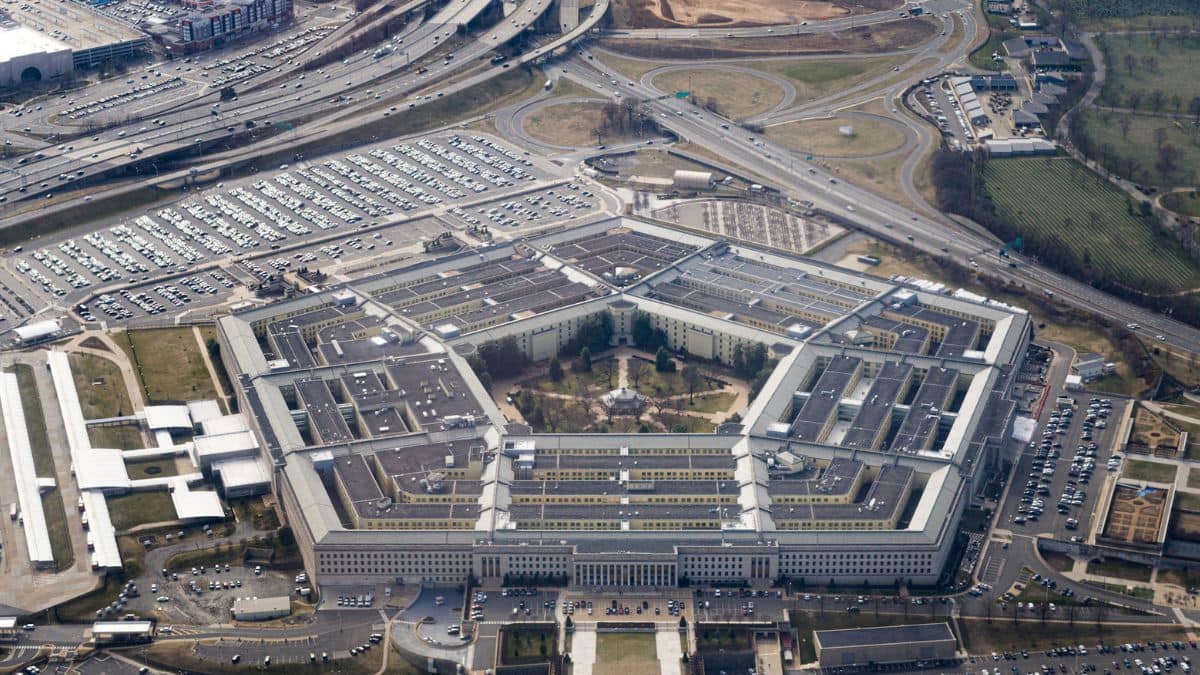
Anthropic is drawing a line in the sand that most Silicon Valley giants usually try to blur. As the Department of Defense hunts for the best large language models to power the next generation of American security, the creators of Claude are sticking to their guns. They've made it clear they won't let their tech be used for kinetic warfare. That means no targeting, no drone strikes, and no autonomous weapon systems. It’s a bold stance in an era where government contracts usually mean "write us a check and we’ll look the other way."
The tension here isn't just about ethics. It’s about the soul of AI development. We’re seeing a massive split in the industry. On one side, you have companies like Palantir and Anduril that are built for the battlefield. On the other, you have the "safety-first" crowd like Anthropic, trying to navigate a world where the Pentagon is the biggest customer on the planet. If you think this is just a minor disagreement over terms of service, you’re missing the bigger picture. This is a fight over what role artificial intelligence should play in the future of human conflict.
The Reality of Anthropic’s Restricted Use Policy
Most people think of AI safety as preventing a "Terminator" scenario. For Anthropic, it’s much more grounded. Their current policy explicitly forbids using Claude for "high-risk physical safety" tasks. This includes anything that could lead to the loss of life or limb. When they talk to the Pentagon, they aren't just saying "no." They’re saying "not for that."
The Department of Defense wants AI for everything. They want it for logistics, for summarizing intelligence reports, and for coding. Anthropic is fine with those parts. In fact, they’re actively discussing how Claude can help with non-lethal administrative tasks. The friction starts when those "administrative tasks" get too close to the kill chain. If a model summarizes a report that identifies a target, is that a violation? That’s the gray area where the lawyers are currently earning their keep.
Anthropic’s leadership, including the Amodei siblings, left OpenAI specifically because they felt the race for profit was overshadowing safety. They’ve built a "Constitutional AI" framework designed to make their models follow a specific set of rules. Moving away from those rules just to land a massive defense contract would destroy their credibility. It’s a refreshing bit of consistency, honestly. They’re betting that they can be a major player in government tech without becoming a defense contractor in the traditional sense.
Why the Pentagon is Desperate for Claude
You might wonder why the military doesn’t just go to someone else. Why deal with a company that has so many "thou shalt nots" in their contract? The answer is simple: Claude is exceptionally good at reasoning. In many benchmarks, Claude 3.5 Sonnet and its successors have shown a level of nuance and "honesty" that other models lack.
The military doesn't just need a chatbot. They need a system that can process massive amounts of data without hallucinating—or at least, with a much lower risk of making things up. In a high-stakes environment, a model that says "I don't know" is often more valuable than one that guesses. Anthropic has prioritized this kind of reliability.
- Intelligence Analysis: Sifting through thousands of intercepted signals or satellite image descriptions.
- Cyber Defense: Finding vulnerabilities in friendly networks before an adversary does.
- Logistics and Supply Chain: Moving millions of tons of gear across the globe efficiently.
- Legal and Policy Review: Ensuring that military operations comply with international law.
These are "back-office" functions, but they’re the backbone of modern warfare. The Pentagon knows that even without "pulling the trigger," Anthropic’s tech could give them a massive edge. They want the best brain in the room, even if that brain refuses to hold a rifle.
The Competition is Watching
While Anthropic plays hardball, others are opening the gates. Meta recently updated its policies to allow US government agencies and defense contractors to use Llama for national security purposes. Microsoft has been a long-time partner through its Azure Government Cloud, and OpenAI has quietly softened its stance on working with the military.
This creates a weird market dynamic. Anthropic is positioning itself as the "ethical" choice, which appeals to a specific segment of the workforce. Top-tier AI researchers often have deep reservations about their work being used for violence. By sticking to their restrictions, Anthropic becomes a talent magnet for the brightest minds who want to build powerful tech without the moral weight of the defense industry.
But there’s a risk. If Anthropic’s rivals provide a full-spectrum solution—from logistics to tactical AI—the Pentagon might decide that juggling multiple providers with different ethical "layers" is too much of a headache. Efficiency usually wins in the halls of the Department of Defense. Anthropic is betting that their tech will be so superior that the government will be forced to accommodate their rules.
What This Means for Global AI Norms
This isn't just about a single company and a single customer. It's about setting a precedent. If Anthropic successfully maintains these boundaries, it proves that a private company can dictate how its technology is used by the most powerful military on earth. That’s a massive shift in power. Historically, when the government wants something, they get it—either through money or mandate.
We’re also looking at a potential "arms race" of ethics. If American companies refuse to build certain types of AI weapons, will that stop adversaries like China or Russia from doing so? Probably not. This is the "Oppenheimer" moment for the 2020s. Do you build the thing to make sure you control it, or do you refuse to build it on principle? Anthropic is trying to find a third way: build the best thing possible, but put a padlock on the most dangerous features.
The Practical Side of the Negotiation
So, what does a "middle ground" look like? Expect to see highly specialized, sandboxed versions of Claude. These versions would be deployed on air-gapped government servers. The "guardrails" wouldn't just be software prompts; they’d be baked into the very infrastructure of how the military accesses the model.
Anthropic is likely pushing for "human-in-the-loop" requirements that are non-negotiable. They want to ensure that if Claude provides information, a human is the one making the final call. This isn't just an ethical preference—it's a technical safeguard. LLMs can still be tricked. They can still be biased. Anthropic doesn't want their brand associated with a "bug" that costs lives.
What You Should Do Next
If you’re following this space, don’t just watch the headlines about "military AI." Watch the fine print in the Terms of Service updates from these companies. That’s where the real history is being written.
For developers and business leaders, the takeaway is clear: define your boundaries early. Anthropic is able to stand firm because they built their identity on safety from day one. If you wait until the big contract is on the table to decide what you stand for, you’ve already lost.
Check the official Anthropic "Usage Policy" page every few months. Look for changes in their "High-Risk Physical Safety" and "Government" sections. Compare them to Meta’s latest Llama updates. The gap between those two documents tells you everything you need to know about where the industry is headed. If you’re building on these platforms, you need to know if your own project could suddenly be in violation of a shifting ethical landscape.