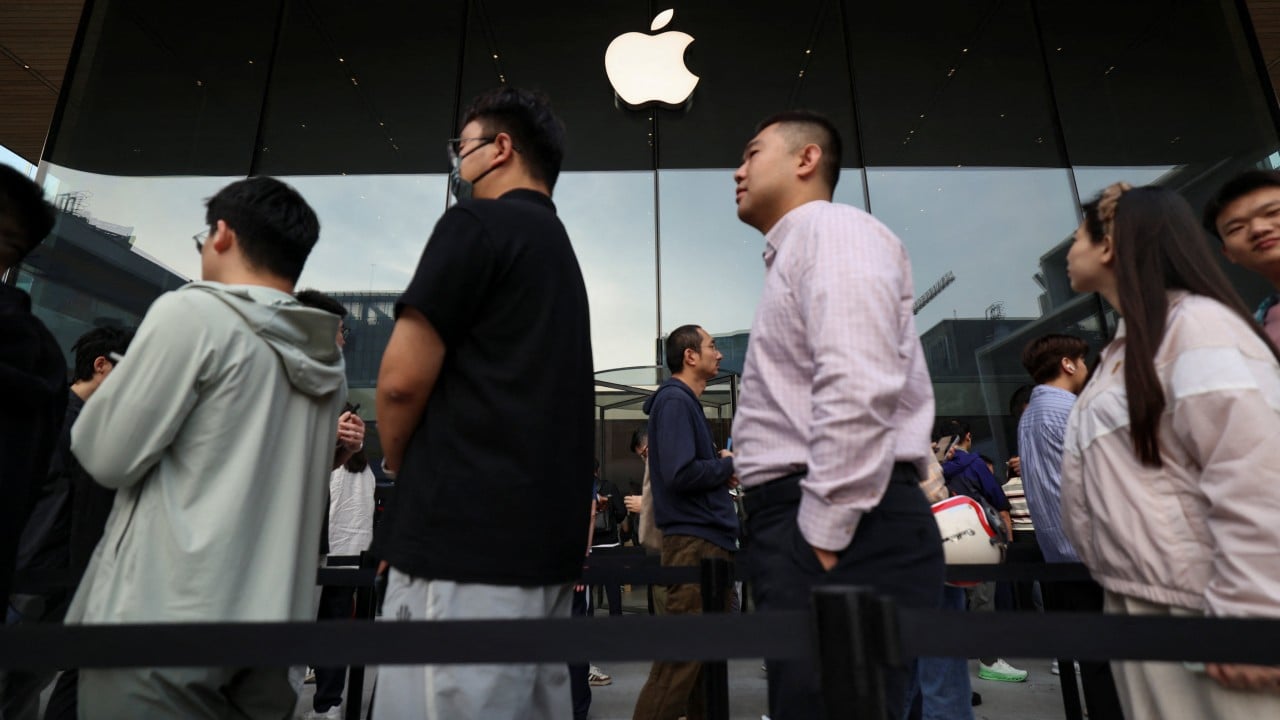
Everybody loves a good comeback story, especially when it happens in the world's most cutthroat smartphone market. When Apple rolled out the iPhone 18 Pro, analysts expected a muted response given the broader economic drag and fierce local competition. Instead, the market reacted with surprising intensity. First-week sales figures jumped twelve percent compared to the previous generation, propelling Apple straight to the top spot with a thirty-three percent market share.
If you look past the headline numbers, the momentum isn't just about a shiny new gadget. It exposes a fascinating shift in how Chinese consumers spend their money during a memory crisis.
Domestic Android brands have faced a brutal squeeze. Surging memory component costs forced local players to raise prices or downgrade hardware specs at the entry-level tiers. Ironically, as Chinese competitors crept higher up the pricing ladder, the gap between domestic flagships and Apple narrowed. Consumers staring down inflated prices for Android alternatives decided that if they were going to spend serious cash, they might as well buy into the iOS ecosystem. Apple's brand equity in the premium tier proved remarkably resilient.
Another massive driver behind this surge is supply chain execution. Unlike previous launches plagued by early inventory bottlenecks, initial stock of the iPhone 18 Pro and Pro Max hit shelves smoothly. Major urban hubs saw immediate spikes, with the Pro Max model alone pulling in hundreds of thousands of activations in record time. Total sales quickly punched past the four million unit mark, proving that high-end demand remains largely immune to broader market contractions when the hardware hits the right notes.
Can this hot streak survive the long haul? That is where things get complicated.
The current wave is heavily front-loaded by die-hard upgraders and early adopters. As we move deeper into the sales cycle, Apple faces a structural hurdle that local competitors are weaponizing: localized artificial intelligence. While the newest features and next-generation assistant capabilities are rolling out globally, regional integration delays mean local users are still waiting for the complete AI experience. Meanwhile, domestic rivals have doubled down on deeply integrated localized assistant features that cater directly to daily productivity and communication habits in the region.
Furthermore, overall smartphone shipments in the region have hit multi-year lows, driven by cautious consumer spending and higher baseline component costs across the board. Apple's current triumph is concentrated almost entirely at the top of the pyramid. Relying solely on affluent buyers to sustain volume growth works until macroeconomic pressures finally catch up to high-income earners.
Apple captured the crown through superior launch execution and smart pricing dynamics from competitors. Retaining that throne requires more than a strong first month. It depends on how fast localized software features catch up to consumer expectations before the initial launch euphoria fades away completely.


