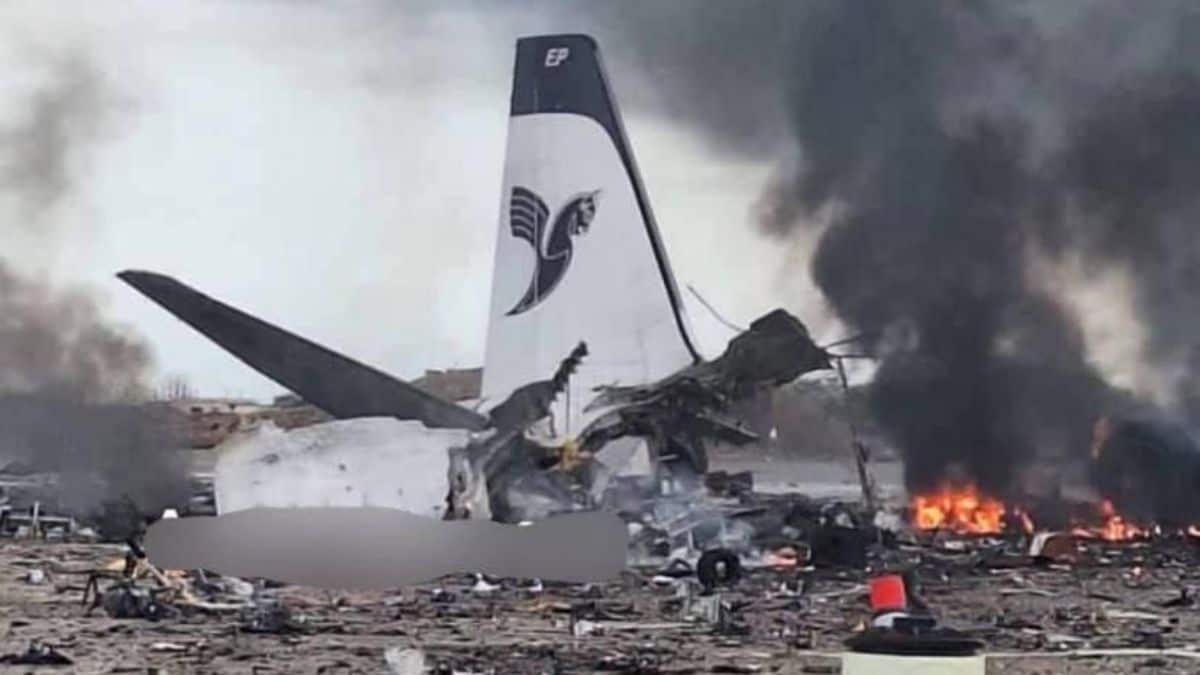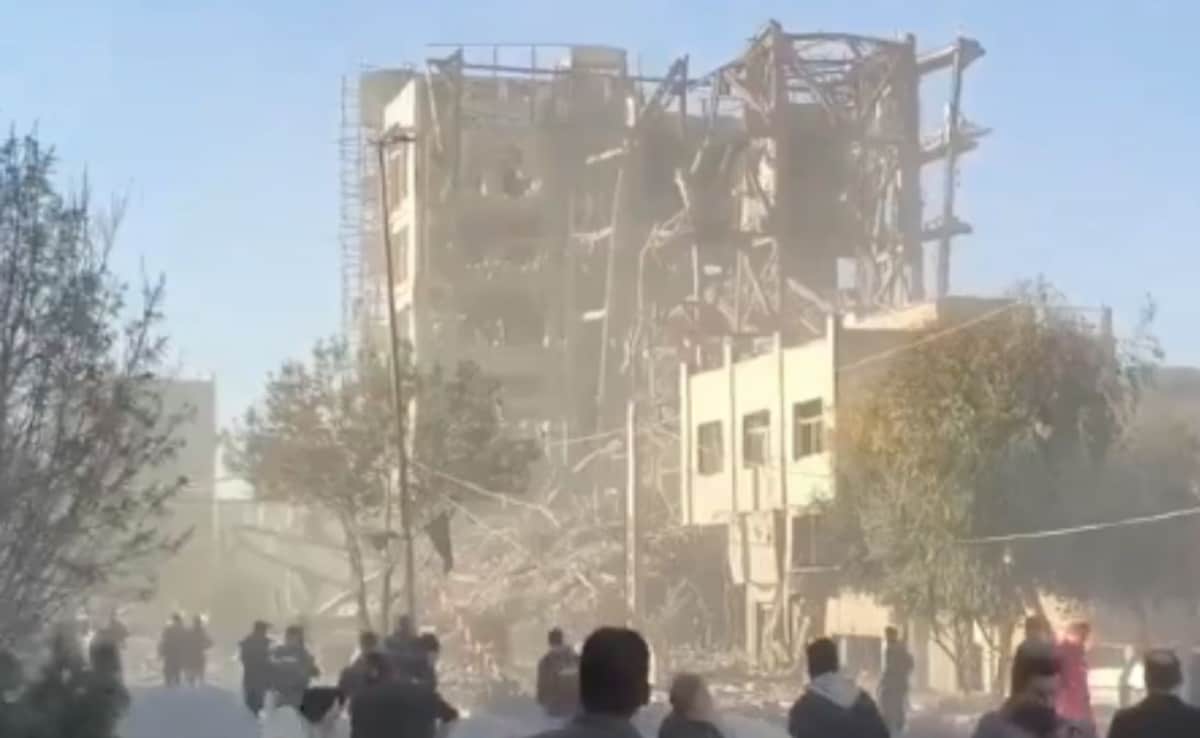
The smoke rising over Qom on Tuesday afternoon wasn't just from another air raid. It was the physical destruction of the only legal mechanism left to stabilize the Islamic Republic. By targeting the Assembly of Experts building, Israeli and U.S. forces didn't just hit a pile of bricks and mortar; they threw a grenade into the middle of a succession process that was already hanging by a thread.
If you're trying to understand why this matters more than the typical military target, it's simple. The Assembly of Experts is the 88-member body of clerics responsible for picking the next Supreme Leader. With Ayatollah Ali Khamenei confirmed dead following Saturday’s massive strikes, these men are the only ones with the constitutional authority to crown a successor. Taking out their meeting place while they’re supposedly counting votes is a move designed to ensure the regime can’t find its footing.
Decapitating the Succession Process
The timing here is almost too surgical to be a coincidence. Israeli officials have already told news outlets that the strike was intentional, aimed at disrupting the transition. It’s a bold, high-stakes gamble. If the regime can’t legally appoint a new leader, the vacuum is filled by chaos, IRGC infighting, or a complete collapse of the central government.
Reports from the ground are predictably conflicted. Iranian state media like Tasnim are calling the attackers "American-Zionist criminals" and claiming the building in Qom was an old, auxiliary site that wasn't even in use. But Fox News and other outlets, citing senior Israeli sources, suggest the strike happened exactly when the clerics were convening to finalize a name.
Whether or not the 88 clerics were actually inside is the $85-a-barrel question. If a significant number of these elderly jurists were killed or injured, the Islamic Republic doesn’t just have a leadership crisis—it has a constitutional dead end. You can't just "elect" a Supreme Leader if the people empowered to do the electing are gone.
The Players Left in the Rubble
With the Assembly of Experts literally under fire, who’s actually running the show? Right now, it’s a makeshift "Interim Leadership Council." It's a tri-headed beast consisting of:
- Masoud Pezeshkian: The President, often viewed as a reformist but currently presiding over a country at war.
- Gholamhossein Mohseni Ejei: The hard-line Judiciary Chief.
- Ali Reza Arafi: A senior cleric and member of the Guardian Council.
This group is supposed to keep the lights on until a permanent successor is found. But there’s a fourth name you need to watch: Ali Larijani. He’s emerged as a central powerbroker, navigating the space between the traditional clerics and the security apparatus.
The "shortlist" for the top job has been narrowed by fire. Mojtaba Khamenei, the late leader’s son, has long been the rumored favorite, but his path to power is now blocked by falling debris and the optics of a "hereditary" republic that the 1979 revolution was supposed to end.
Total Warfare and the End of Diplomacy
Donald Trump isn't mincing words on Truth Social. He’s essentially declared that the time for talking is over. His administration’s stance is that the Iranian leadership is "gone," and that there's nothing left to negotiate. It’s a total shift from the "maximum pressure" of his first term to what looks like "maximum erasure" in 2026.
While the U.S. and Israel hammer targets from the air, the internal security of Iran is also being dismantled. We aren't just seeing strikes on missile silos at Natanz. The IRGC, the Basij militia, and even local police stations are being leveled. The goal is clear: strip the regime of its ability to project power abroad and its ability to suppress its own people at home.
What Happens When the Smoke Clears
Don't expect a clean transition. The strike in Qom signals that the "red lines" of targeting religious or political institutions have been completely erased. Iran has responded with drone and missile salvos toward Israel and U.S. bases in the Gulf, but their traditional "axis of resistance" is looking more like a scattered line of retreat.
The immediate concern for anyone watching the oil markets or regional stability is the "who's in charge" problem. If the Assembly of Experts is paralyzed, the IRGC might decide they don't need a Supreme Leader at all and move toward a pure military dictatorship. Or, the internal protests that have been simmering since early 2026 might finally boil over into a full-scale revolution while the clerics are busy hiding from drones.
If you’re tracking this, keep your eyes on the announcements from the Interim Council over the next 48 hours. If they fail to name a successor soon, it means the strikes on the Assembly buildings in Tehran and Qom achieved exactly what the U.S. and Israel intended: a headless regime in the middle of a total war.
Check the latest updates on the Strait of Hormuz shipping lanes, as any further disruption there will send the current $85 oil price even higher.