Petrol is hitting $3 a litre in some parts of Australia. That isn't just a "high price"—it's a crisis point for anyone who needs to get to work without draining their bank account. While the federal government tries to figure out fuel security, two states have decided to stop waiting for Canberra and are simply throwing open the gates to public transport.
Victoria and Tasmania are the first to blink. Starting this week, they're waiving fares entirely to get people out of their cars and onto trains, trams, and buses. It's a massive experiment in real-time economics. Can free transit actually offset a global energy shock? Or is it just a temporary Band-Aid for a much deeper wound?
The Victorian one month fare holiday
In Victoria, the Allan government just announced that all metropolitan and regional V/Line services will be free from March 31 through the end of April 2026. This includes everything: trains, trams, and buses. You don't even need to touch on your Myki.
The logic here is simple. The state is facing a massive surge in fuel demand and localized shortages. By making the network free for a month, the government hopes to lower the "pressure at the pump" by making the alternative impossible to ignore. Premier Jacinta Allan admits this won't solve every problem, but when you're looking at a $71 million hit to revenue just to give commuters a breather, it's a significant statement.
If you’re a regional commuter, this is even bigger. V/Line coaches usually require a booking, and you'll still need to grab a "free ticket" to keep your seat, but the cost is gone. For someone traveling from Bendigo or Ballarat into Melbourne daily, the savings over four weeks are substantial.
Tasmania takes the long road to July
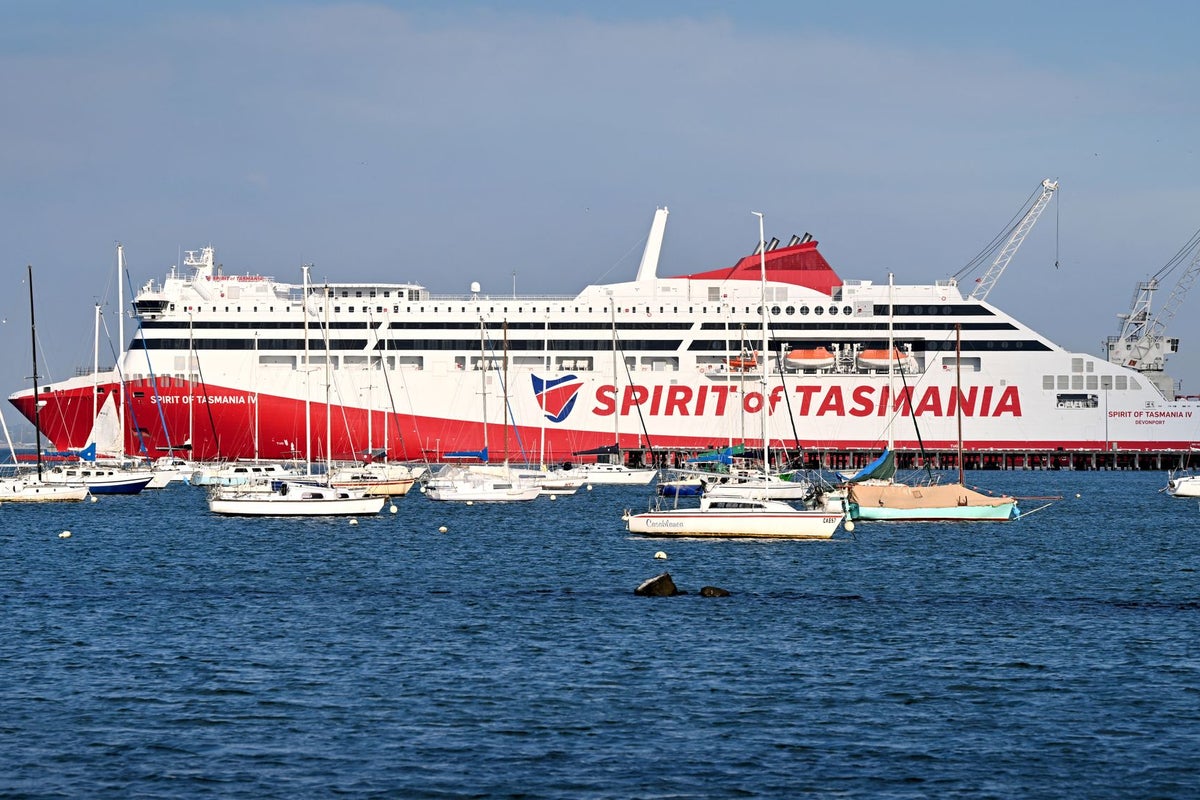
Tasmania is going even further. While Victoria is doing a one-month sprint, the Rockliff government has scrapped fares on all buses and Derwent River ferries until July 1, 2026. This isn't just a week or two of relief; it's a three-month window.
Why the longer timeframe? Tasmania has already seen a 20% jump in public transport use over the last week as fuel prices climbed. They’re leaning into that momentum. Transport Minister Kerry Vincent pointed out that a commuter coming from Dodges Ferry into Hobart could save $88 a week. That’s nearly $1,000 over the course of the "free" period. In a state where many people rely on regional bus links to get to city jobs, that money stays in the family budget instead of going into a fuel tank.
The states staying the course
Not everyone is convinced that free transit is the right move. New South Wales and Western Australia have both signaled they won't be following suit. NSW Transport Minister John Graham was pretty blunt about it: they aren't "going down the path of free transport."
The NSW argument is that this fuel crisis—sparked by escalating conflict in the Middle East—isn't going to vanish in 30 days. They want to "keep their powder dry." Instead of waiving fares for everyone, they’re sticking to existing caps like the $19.30 daily limit in Sydney. Queensland is also sitting out the "free" trend, though it’s hard to complain there since they recently legislated 50-cent fares as a permanent fixture of their network.
The hidden cost of free transit
There's no such thing as a free ride, of course. Taxpayers are footing the bill. Victoria's one-month fare holiday is costing $71 million. Tasmania's longer stretch will likely cost even more.
There's also the "crush factor." When you make something free during a fuel crisis, you don't just get regular commuters; you get everyone. Victoria has promised thousands of extra services to handle the "patronage surge," but anyone who has tried to board a packed train at Flinders Street during peak hour knows that "extra services" don't always mean a seat.
Then there’s the regional divide. If you live in a suburb or a town where the bus only comes twice a day, a free fare doesn't help you. You're still stuck with the $3 petrol price because you have no other choice. This is why groups like the Victorian Farmers Federation are backing the move—not necessarily because farmers are catching the tram, but because every city worker who stops driving leaves more fuel in the supply chain for the trucks and tractors that keep the food supply moving.
How to make the most of the free period
If you're in Victoria or Tasmania, you'd be crazy not to take advantage of this. Here is how to actually save money without losing your mind:
- Ditch the Myki (Victoria): You don't need to touch on. If you do it by habit, the government says you won't be charged, but why risk the tech glitch? Just walk through the open gates.
- Book the V/Line: Free doesn't mean "unlimited space." If you're on a regional coach, you still need to secure a seat via the booking system. Do it early.
- Check the apps: With more people using the system, delays are inevitable. Use the real-time tracking apps to see if your bus or train is actually coming before you leave the house.
- Calculate your "Fuel Pivot": If you've been driving because it was "roughly the same cost," do the math again. At current prices, even a slightly slower commute on a free bus puts $50 to $100 back in your pocket every week.
This isn't a permanent change. Victoria's free travel ends at the end of April. Tasmania's ends in July. But for now, the experiment is live. If you've been waiting for a reason to stop feeding the petrol bowser, this is it. Go check your local timetable and see if you can make the switch.