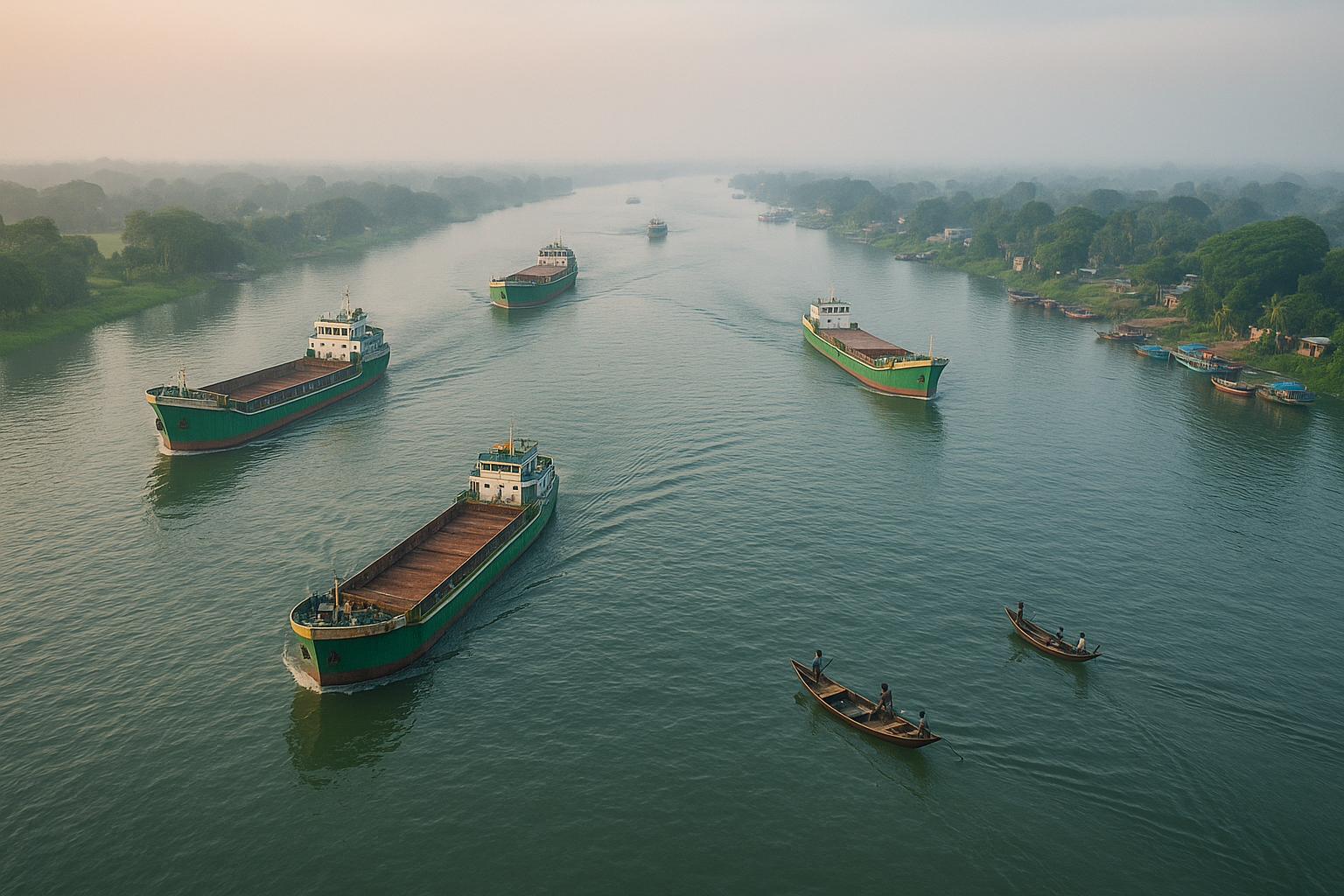
You can't talk about the economy in Bangladesh without talking about the rivers. They're the literal veins of the country. But right now, those veins are clogging up. If you've tried to catch a launch from Sadarghat lately or you're waiting on a shipment at Mongla Port, you already know the vibe is tense. The energy crisis isn't just about flickering lights in Dhaka anymore; it has hit the water, and it's hitting hard.
The math is simple and brutal. Most of the 450 passenger vessels and thousands of cargo lighters that keep this country moving run on diesel. When the global market goes haywire—largely thanks to the ongoing conflict in the Middle East—Bangladesh feels the squeeze immediately. By April 2024, we saw diesel prices jump to 115 Taka per liter. That might not sound like a world-ending shift until you realize a single large launch can gulp down 600 to 700 liters a day.
The Fuel Gap is Real
We're not just talking about expensive fuel; we're talking about a physical lack of it. Reports from the Bangladesh Inland Waterways Association show a 40% gap between what these vessels need and what the government can actually supply. Imagine trying to run a business where nearly half your essential "food" is missing.
I've seen the queues. Lighter vessels—the small ships that carry cargo from massive mother vessels at sea to the inland docks—are sitting idle. At Chattogram and Mongla, the "outer anchorage" is becoming a parking lot. When these smaller ships can't get diesel, they can't unload the big ones. This isn't just a logistics hiccup. It's a massive financial drain. Every day a mother vessel sits waiting, the importers pay "demurrage" fees in precious foreign dollars.
Why the Price Hikes Don't Fix It
The government recently bumped up prices for octane, petrol, and diesel to "align with the international market." It's a move to satisfy IMF loan conditions and reduce the staggering subsidy burden. But for a launch owner, a 15 Taka increase per liter is the difference between profit and a slow death by debt.
Owners are now begging for fare hikes. But here’s the problem: if you raise fares, the people who rely on river transport—mostly the working class and traders—can't afford to move. It's a classic squeeze. You either kill the transport industry or you kill the consumer's wallet.
- Cargo is stalling: Essential commodities like fertilizer and grain are stuck at the ports.
- Costs are cascading: When it costs more to move a sack of rice by water, that rice costs more at your local kitchen market.
- Operational cuts: Many operators are simply running fewer trips, leading to overcrowding and safety risks on the remaining vessels.
The Systemic Vulnerability
Honestly, we've been too reliant on imported fossil fuels for too long. While 66% of our electricity comes from gas, our transport is almost entirely tethered to diesel. When the Strait of Hormuz gets dicey, our river transport enters a coma.
The bit that nobody talks about is the "unaccounted for" energy. We lose billions of cubic feet of gas to pilferage and leaks every year. If we managed our domestic resources better, we might have the fiscal breathing room to buffer these global shocks. Instead, we're buying spot LNG at 2.5 times the normal price just to keep the lights on, leaving the maritime sector to starve.
What Happens Next
Don't expect a quick fix. As long as the regional tensions in the Middle East keep shipping routes uncertain, diesel supply will remain a gamble.
If you're a business owner relying on river logistics, you need to diversify your supply chain now. Don't put all your eggs in one "waterway" basket. Expect delays at Chattogram and Mongla to persist through the summer. For the average traveler, be ready for sudden schedule changes and higher ticket prices. The era of cheap, reliable river travel is on life support.
The government needs to stop treating waterway fuel as an afterthought. We need a dedicated fuel reserve specifically for the inland maritime sector. Without it, the "veins" of Bangladesh will continue to dry up, and the whole economy will feel the stroke.