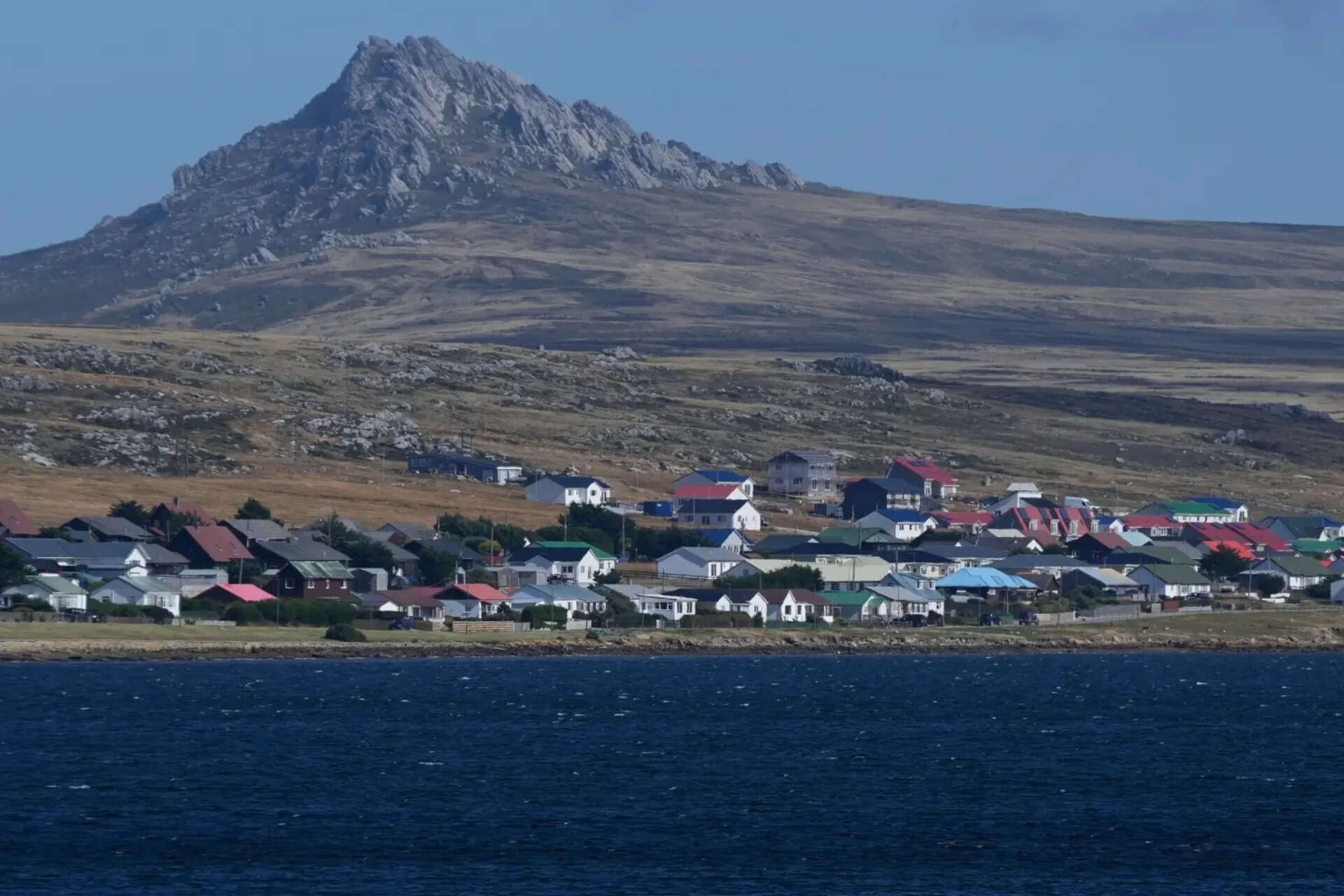
The long-standing geopolitical feud between Argentina and the United Kingdom over the Falkland Islands has shifted from rhetorical sparring into high-stakes corporate and legal warfare. At the center of this renewed friction is the Sea Lion oil field, a multi-billion-dollar commercial project north of the islands that promises to double the local GDP.
Buenos Aires isn't just issuing diplomatic protests this time. President Javier Milei’s administration has taken aggressive steps, including threatening corporate executives with prison time and bringing legal actions before international bodies. For the UK and the Falkland Islanders, this escalation threatens a vital economic lifeline. For Argentina, it taps into an emotional and constitutional claim that remains a political touchstone.
The Trigger Behind the New Diplomatic Storm
Sovereignty claims over the islands, known in Argentina as the Islas Malvinas, never truly went away. But what changed is the commercial reality of extracting oil from the South Atlantic.
The Sea Lion project, spearheaded by companies like Rockhopper Exploration and Navitas Petroleum, represents the first major commercial oil push in the territory. If successful, it transforms the islands from a fishing-dependent economy into a significant energy exporter. Naturally, Buenos Aires views the extraction of resources from its claimed continental shelf as an illegal act under its domestic laws.
Legal experts point out a clear strategy here. Argentina is leaning heavily on environmental law at the International Tribunal for the Law of the Sea (ITLOS). Because international courts cannot easily settle decades-old sovereignty disputes over territory, Argentina argues that unilateral drilling risks environmental catastrophe in shared or mainland-adjacent waters. It's a clever maneuver designed to block financing and halt operations by weaponizing ecological risk.
The Human and Corporate Toll
The pressure campaign has moved past abstract diplomacy. Recent legal notices issued by Argentine authorities have targeted the leadership of firms involved in the drilling. Threatening business executives with jail time creates an immediate chilling effect on investors. Securing capital for offshore drilling in a politically contested zone is already difficult. Add the threat of personal liability and international arrest warrants, and project financing becomes a nightmare.
Meanwhile, London is pushing back. British officials maintain that the right of the islanders to self-determination is non-negotiable, pointing to the 2013 referendum where nearly 100 percent of residents voted to remain a British overseas territory. Downing Street has promised to robustly defend UK and Falkland interests, assisting local authorities in extending hydrocarbon production licenses to signal stability to the market.
What Happens Next in the South Atlantic
This confrontation leaves very little room for compromise. President Milei has staked significant political capital on confronting London, reviving plans for southern naval bases and pushing for strict economic sanctions against anyone touching the Sea Lion project.
At the same time, the local population on the islands faces the very real threat of economic isolation if Buenos Aires succeeds in choking off supply lines and financing. As international courts review provisional measures and legal briefs fly between London, Buenos Aires, and Hamburg, the Sea Lion field remains trapped in geopolitical crossfire.
The underlying reality is simple. Neither side is willing to back down. As long as billions of barrels of oil sit beneath the seabed, the Falklands will remain one of the most volatile geopolitical flashpoints in the world.


