The Osoyoos Indian Band is quietly shifting the mechanics of land restitution in British Columbia by demanding the outright return of specific sacred sites currently held as provincial Crown land. This negotiation moves far beyond symbolic gestures of reconciliation. It targets the structural core of provincial property management. While standard treaty processes drag on for decades, the band is using its immense economic independence to force a direct, transactional negotiation with the B.C. government. The outcome will reshape how public lands are managed across western Canada.
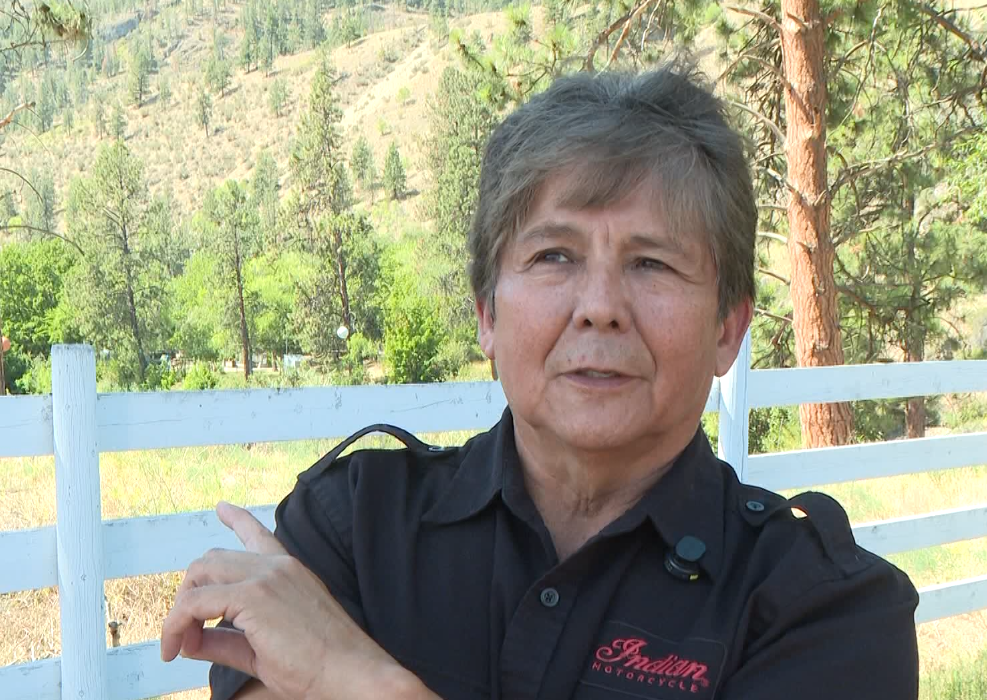
This is not a standard story about a marginalized community asking for a seat at the table. Chief Clarence Louie has spent over three decades transforming the Osoyoos Indian Band into a corporate heavyweight. The band owns and operates a resort, a winery, a construction firm, and an industrial park, making them the primary employer in the South Okanagan valley. They do not rely heavily on provincial handouts. This financial independence gives them unique leverage. When they sit down with provincial negotiators, they do so as equal corporate and political entities, demanding the return of areas that hold immense spiritual and historical weight.
The Fiction of Public Crown Land
British Columbia holds a unique and messy legal position regarding land. Unlike the rest of Canada, where historical treaties stripped Indigenous nations of their land rights in exchange for reserves, the vast majority of B.C. was settled without treaties. Technically, 94 percent of the province is classified as Crown land. The courts have repeatedly ruled that Indigenous title was never extinguished across most of this territory. The provincial government acts as the owner, but its legal foundation is shaky at best.
The Osoyoos Indian Band is targeting this specific vulnerability. For generations, sacred areas around the Okanagan valley have been carved up for provincial parks, ecological reserves, and commercial recreation leases. To the province, these are public assets managed for tourism and conservation. To the Okanagan people, these are ancestral boardrooms, cemeteries, and spiritual centers that were confiscated without consent or compensation.
The current negotiations center on moving these parcels out of provincial registry systems entirely. This means stripping the "Crown" designation from the land and transferring fee-simple ownership or a new category of absolute Indigenous title back to the band. Bureaucrats in Victoria prefer co-management agreements. These joint-venture style structures allow the province to retain ultimate authority while giving bands an advisory role. The Osoyoos Indian Band is rejecting that compromise. They want the deeds.
The Economic Leverage Forcing the Province to the Table
Victoria does not enter these discussions out of pure altruism. They are forced by economic reality. The Okanagan valley is a booming corridor for real estate, agriculture, and tourism. Every major infrastructure project, from highway expansions to power line corridors, requires consultation with the band. Because the courts have strengthened the requirement for free, prior, and informed consent, the band holds an effective veto over regional development.
Consider the provincial dependency on stable investment environments. If a multi-million dollar irrigation project or a highway expansion faces years of litigation from a well-funded band, the regional economy stalls. Chief Louie understands this mechanism perfectly. The band uses its corporate muscle to show the province that cooperation is far cheaper than legal warfare. By tying land returns to broader regional stability, the band makes it practical for the province to surrender land parcels.
This approach bypasses the formal B.C. Treaty Process, a bureaucratic maze that has cost hundreds of millions of dollars since the 1990s while yielding very few finalized agreements. The treaty process often requires bands to take out loans from the federal government to pay for negotiators and lawyers, trapping them in debt before they ever secure land. The Osoyoos Indian Band chose a different path. They built a business empire first, then used their own cash reserves to fund their legal and land research teams. They are buying back their autonomy through corporate dominance.
Technical Friction in the Land Transfer Mechanism
Returning Crown land to an Indigenous nation is an administrative nightmare that exposes the deep contradictions in Canadian property law. When the province agrees to return a site, it cannot simply hand over a set of keys. The land must be surveyed, assessed for environmental liabilities, and stripped of any existing third-party interests.
- Subsurface Rights: The province frequently sells the rights to minerals and resources beneath the earth separately from the surface rights. If a mining company holds a claim beneath a sacred site, the province must buy out that claim using taxpayer money before the land can be cleanly transferred.
- Public Access Clauses: British Columbia hunters, hikers, and conservation groups view Crown land as a public playground. When a site is transferred to private or band ownership, public access can be cut off overnight. This creates intense political blowback for the governing party in Victoria.
- Overlapping Claims: The Okanagan valley was historically used by multiple families and neighboring bands. The province frequently uses overlapping territorial claims as an excuse to delay transfers, arguing that they cannot return land to one band if a neighboring nation claims an interest in the same valley.
The negotiation room becomes a battleground of maps and title searches. The band must prove continuous historical use of specific sites, using oral histories and archaeological records to counter the digitized maps of the provincial land registry. It is a slow, grinding process where success is measured in meters, not kilometers.
The Illusion of the United Nations Declaration
In 2019, British Columbia became the first Canadian province to pass legislation aligning its laws with the United Nations Declaration on the Rights of Indigenous Peoples. Politicians held press conferences celebrating a new era of cooperation. The reality on the ground has been completely different. The legislation created a framework for alignment, but it did not automatically rewrite property laws or transfer a single acre of land.
The Osoyoos negotiations expose the gap between legislative rhetoric and bureaucratic survival. Mid-level managers within the Ministry of Forests and the Ministry of Indigenous Relations are still evaluated based on how well they protect provincial assets and revenue streams. When a band demands the return of a sacred site that also generates timber revenue or park fees, the bureaucracy naturally resists.
The band must fight through layers of administrative inertia. A proposal to return a sacred hillside can sit on a desk in Victoria for eighteen months just waiting for an internal legal review. This is why the band’s strategy relies heavily on political pressure directed straight at the cabinet level, bypassing the bureaucratic gatekeepers who are trained to say no.
The Unresolved Problem of Private Land Incursions
While the current discussions focus primarily on public Crown land, the elephant in the room is the vast amount of sacred territory that has already been converted into private property. Vineyards, orchards, and luxury subdivisions sit on top of old village sites and burial grounds throughout the South Okanagan.
The province maintains a rigid policy that private property is off the table for land claims. If a sacred site sits on a privately owned vineyard, the government will not expropriate it. This leaves the band with two options: accept that certain sites are gone forever, or enter the open market and buy them back at inflated commercial rates. The Osoyoos Indian Band has actually done the latter in several instances, using their corporate revenues to purchase private ranches and properties that hold historical significance.
This creates a bizarre double standard. The band is forced to use the tools of capitalism to purchase lands that were taken from them by the state. It is an effective strategy, but it highlights the profound limitations of the state’s reconciliation framework. True justice is expensive, and the province prefers solutions that do not require writing massive checks or upsetting private landowners.
The Precedent for Corporate Tribal Sovereignty
What is happening in Osoyoos is a blueprint for the future of Indigenous land politics across North America. The old model of long-term protest camps and court battles is being supplemented, and in some cases replaced, by economic positioning. When an Indigenous nation controls the local labor market and key economic infrastructure, the state loses its ability to dictate terms.
This model is not without its critics. Some community members and outside observers worry that focusing so heavily on economic development compromises traditional values. They argue that turning a band into a corporate entity forces it to adopt the same capitalist structures that drove colonization in the first place.
Chief Louie’s track record suggests a more pragmatic view. Money is power, and power is the only thing that forces governments to return land. By building a self-sustaining economy, the Osoyoos Indian Band has ensured that they are not a charity case dependent on political goodwill. They are a permanent regional power, and their discussions with the B.C. government are just the beginning of a long-term unwinding of state control over ancestral lands. The deeds will return to the valley, one negotiation at a time.