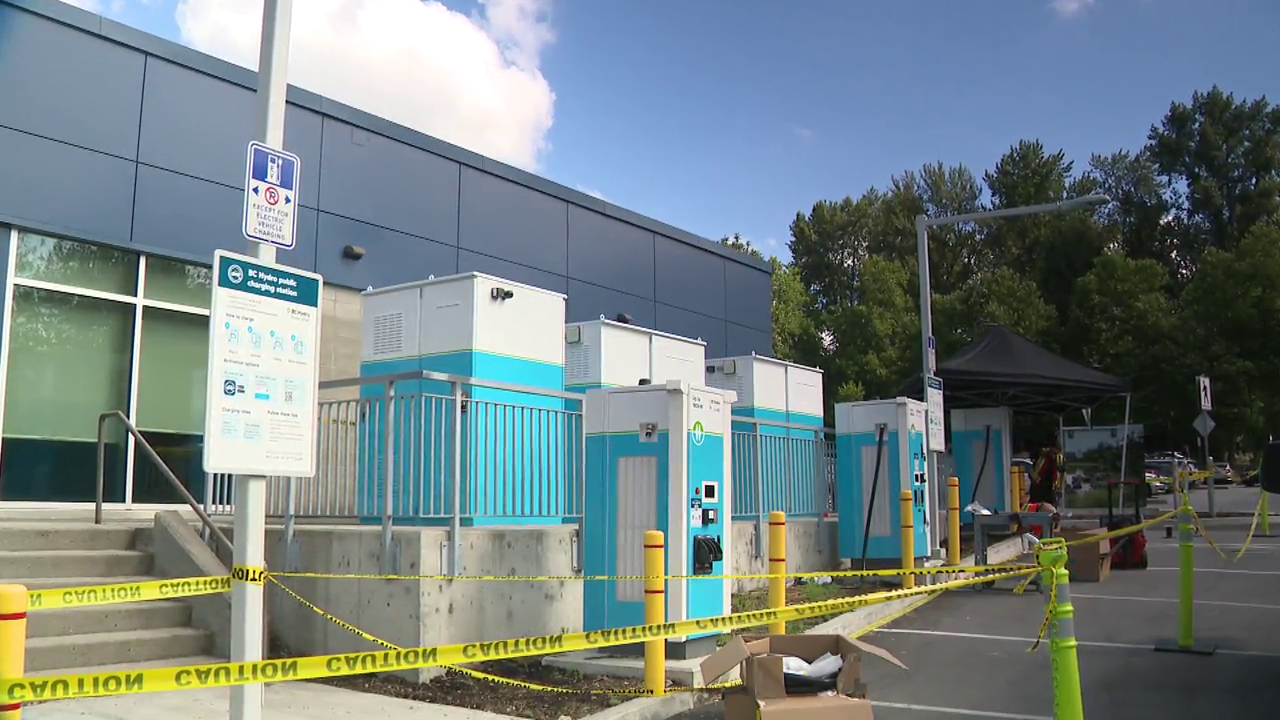
Electric vehicle charging stations are becoming prime targets for criminals looking for a quick payout. It’s a frustrating cycle that drivers know all too well. You pull up to a public station, low on battery, only to find heavy-duty charging cables sliced clean off.
BC Hydro stations across British Columbia are getting hit again and again. This isn't just random vandalism. It's a calculated hustle driven by soaring global metal prices. Thieves are after one thing: the high-grade copper buried inside those thick black cables.
The Anatomy of a Growing Problem
Let's look at the numbers. Since late 2025, BC Hydro has recorded dozens of cable theft incidents across multiple fast-charging sites in the province. When thieves hit the Port Moody Recreation Centre recently, they sliced through six fast-charger cables in a matter of minutes.
Police report that perpetrators use battery-powered tools to snip the thick lines under the cover of night. They make off with hardware that yields a minimal amount of scrap cash, while leaving behind thousands of dollars in property damage.
BC Hydro officials note that fast chargers are targeted far more often than standard home Level 2 units. Why? Because DC fast chargers require heavy-duty cabling designed to handle massive electrical currents. More current means thicker wiring, and thicker wiring means more copper per cut.
Why Scrap Metal Markets Drive the Chaos
Global copper prices sit near historic highs, which creates an underground economy for stolen metal. A typical fast-charger cable contains pounds of valuable metal. Thieves might pocket a small fraction of its actual value at a sketchy scrap yard, but the real cost falls entirely on public utilities and drivers.
Beyond the financial hit, the infrastructure damage creates massive headaches for everyday motorists. If you rely on public charging to get to work or run errands, a severed cable leaves you stranded. EV adoption already faces enough hurdles regarding range anxiety and charging availability without drivers having to play Russian roulette with vandalized stalls.
BC Hydro isn't the only utility dealing with this headache. Across North America, charging networks from Seattle to New York face identical waves of property crime. Authorities even issued cross-sector alerts warning that organized theft rings view EV hubs as low-risk, high-reward targets.
How Utilities and Cities Are Fighting Back
Utilities can't simply leave expensive chargers vulnerable in dark parking lots anymore. BC Hydro has rolled out enhanced security upgrades at high-risk locations.
- Installing high-definition surveillance cameras focused directly on the plug bays.
- Upgrading area lighting to eliminate dark spots where thieves like to operate.
- Deploying physical protective cable coverings and armor.
- Utilizing on-site security patrols at chronically targeted stations.
Even with these upgrades, catching thieves in the act remains tough. Most incidents happen between midnight and dawn when recreation centres and commercial lots are empty. Police rely heavily on motion-activated sensors and public tip lines to respond before suspects vanish.
What EV Drivers Can Do Right Now
If you drive an electric vehicle, you have to stay vigilant. Don't assume every public charging stall you see on your map app is actually working.
Check community apps and plug-sharing platforms for recent user reviews before driving out of your way. If you charge your vehicle at home using a wall-mounted unit, keep your garage closed or secure the cable out of sight from the street. Neighborhood residential thefts happen too, as opportunistic criminals roam alleyways looking for easy residential hookups.
Report any suspicious activity around public electrical infrastructure immediately. If you see someone tampering with a station or cutting lines without official utility markings, call local emergency lines right away. Protecting public infrastructure keeps the grid running and ensures our transition to electric transit doesn't stall out in a parking lot.