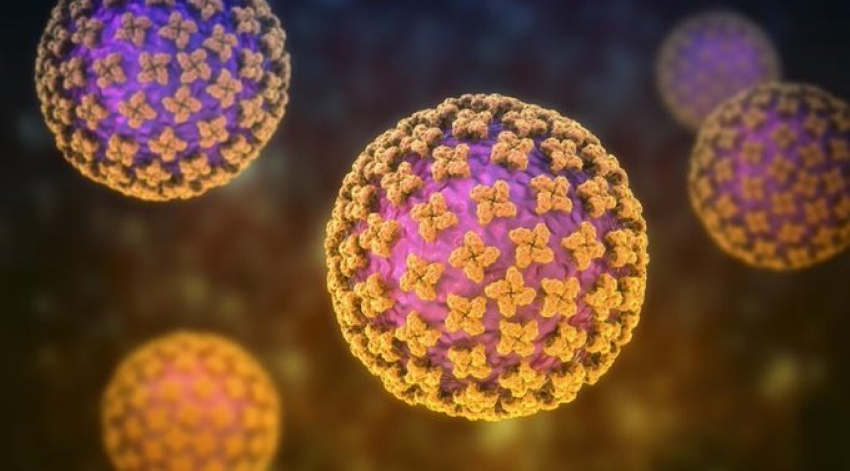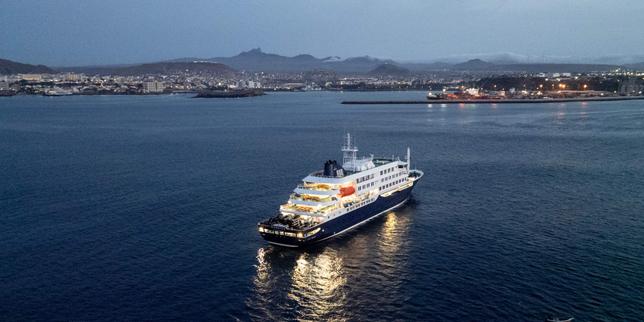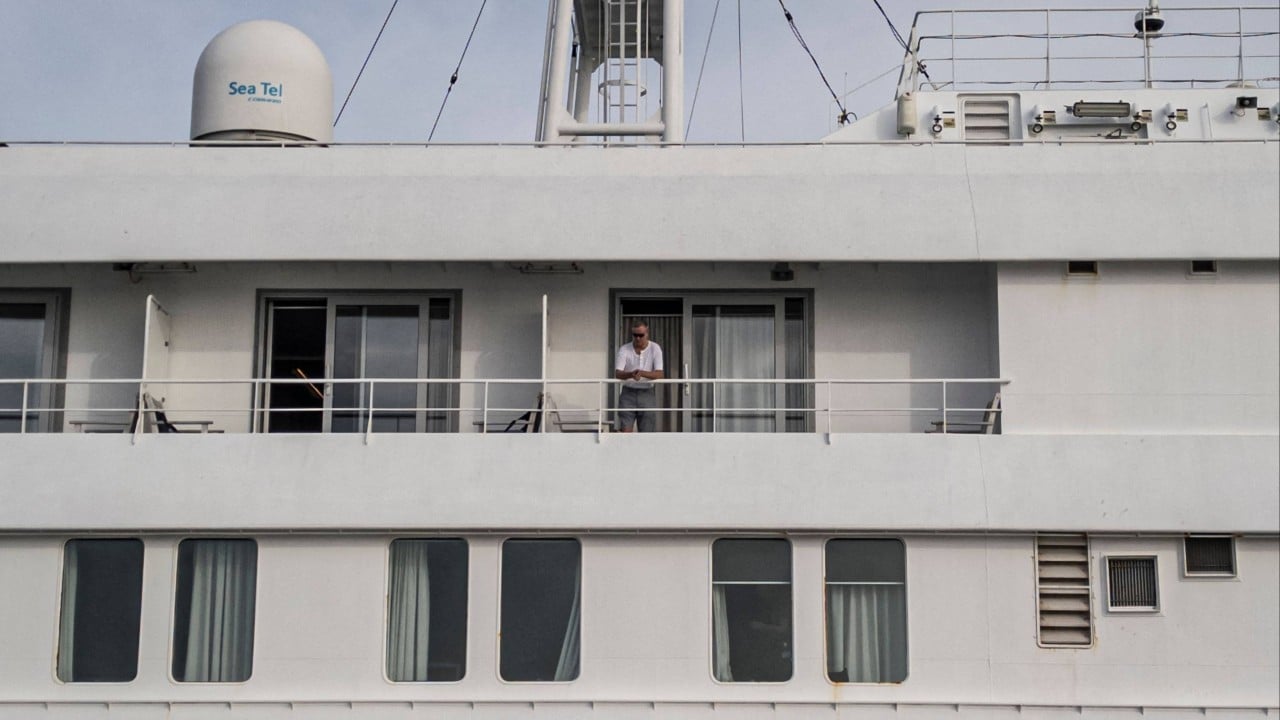
The luxury cruise ship sat motionless off the coast, a billion-dollar steel island transformed into a floating petri dish. While the glossy brochures promised cocktails and Caribbean sunsets, the reality for three thousand souls aboard was a claustrophobic mix of sterile masks and the distinct, metallic scent of industrial-grade disinfectant. The presence of hantavirus, a pathogen typically associated with rural cabins and rodent droppings rather than high-end maritime tourism, has stripped away the industry’s carefully curated veneer of safety. This is not merely a story of unlucky vacationers stuck in their cabins. It is a systemic indictment of how the modern cruise industry handles biological threats and the crumbling logistics of maritime quarantine.
Hantavirus is a brutal, unforgiving respiratory or hemorrhagic disease. It does not spread like the common cold or the norovirus outbreaks that frequently haunt the buffet lines of mid-tier liners. It is contracted through contact with infected rodent excreta, often aerosolized in dust. Finding it on a vessel that prides itself on five-star hygiene suggests a catastrophic breach in the supply chain or a failure in the very structural integrity of the ship’s waste management systems. As passengers fluctuate between the crushing boredom of 24-hour cabin confinement and the visceral fear of a mounting fever, the cruise line’s PR machine is working overtime to frame this as an isolated incident. The data suggests otherwise.
The Invisible Vectors of Maritime Commerce
To understand how a land-based virus ends up in the middle of the ocean, you have to look at the dark corners of the global supply chain. Cruise ships are floating cities that require constant replenishment. Every week, thousands of pallets of food, linen, and dry goods are loaded onto these vessels in ports that often border industrial zones or underdeveloped coastal regions.
The most likely culprit for a hantavirus breach is the humble shipping pallet. Rodents seeking shelter or food frequently nest in warehouse facilities where these goods are staged. If a pallet contaminated with dried urine or droppings is brought into the ship’s dry storage, the ventilation system handles the rest. Once those particles become airborne in the confined, recirculated air of a lower-deck pantry or a crew dormitory, the ship is no longer a sanctuary. It is a trap.
Industry analysts have long warned that the rapid turnaround times demanded by mega-cruise companies leave almost zero margin for deep-level pest inspections. Ships spend less than twelve hours in port before embarking on the next leg. This relentless schedule prioritizes passenger "throughput" over the granular safety checks required to keep a biological vector from boarding. The "fear" experienced by the passengers is a rational response to a breakdown in the basic pact between the traveler and the carrier.
The Psychological Toll of the Gilded Cage
Boredom is a dangerous state of mind during a medical crisis. In the first forty-eight hours of a shipboard quarantine, the novelty of free room service and premium movie channels carries the weight. By day four, the atmosphere shifts. Human beings are not wired for indefinite confinement in windowless interior cabins that measure less than two hundred square feet.
The psychological degradation of the passengers is a direct result of "information vacuuming." Cruise lines are notorious for withholding specific medical data from passengers to prevent panic, but this strategy almost always backfires. When the captain’s announcements remain vague, the rumor mill fills the gap. People start monitoring the movements of crew members in hazmat suits. They count the number of times the medical evacuation helicopter arrives.
This environment creates a unique form of trauma. Unlike a natural disaster on land where one can move toward safety, passengers on a hantavirus-stricken ship are physically tethered to the source of the danger. They are breathing the same air that may be carrying a virus with a mortality rate that can, in some strains, reach thirty-eight percent. The boredom isn't just a lack of entertainment. It is a heavy, stagnant wait for a fever that might never come, or might signify the end.
The Failure of the Port State Control System
Why was the ship allowed to linger at sea rather than being immediately docked and evacuated? The answer lies in the murky waters of maritime law and "Port State" reluctance. No coastal city wants to be the one to offload three thousand potentially infected tourists into their local hospital system.
We are seeing a repeat of the diplomatic cowardice that defined the early days of the COVID-19 pandemic. Governments engage in a game of "hot potato," denying docking rights while the ship’s medical facilities—which are designed for minor injuries and the occasional heart attack—are pushed to the breaking point. A cruise ship infirmary is not an ICU. It is not equipped to handle a surge of viral hemorrhagic fever cases requiring ventilators and specialized isolation.
The industry relies on a "Flag of Convenience" system, where ships are registered in nations like Panama or the Bahamas to avoid taxes and stringent labor laws. However, when a biological crisis strikes, these small nations lack the infrastructure to provide meaningful support. The passengers are essentially citizens of nowhere, trapped on a vessel owned by a multi-billion dollar corporation that has outsourced its legal responsibility to a Caribbean island.
Broken Protocols and the Myth of Sanitization
The cruise industry’s go-to response for any outbreak is a "deep clean." You see crew members in the hallways with electrostatic sprayers, coating every surface in a fine mist of disinfectant. While this looks impressive and provides a sense of visual security, it is largely "hygiene theater" when dealing with a virus like hantavirus.
If the source of the infection is located within the ship's HVAC (Heating, Ventilation, and Air Conditioning) ductwork, scrubbing the elevator buttons will do nothing. Most modern ships use a combination of recycled and fresh air. If the filters are not HEPA-rated or if the ultraviolet germicidal irradiation systems are poorly maintained, the virus can circulate through the ship’s "lungs" with ease.
Why Current Maritime Health Standards are Obsolete
- Reliance on self-reporting: The CDC’s Vessel Sanitation Program (VSP) relies heavily on cruise lines accurately reporting illnesses. There is a massive financial incentive to under-report "flu-like symptoms" to avoid a low sanitation score.
- Outdated airflow requirements: Most maritime building codes focus on fire safety and smoke extraction rather than microscopic pathogen filtration.
- Inadequate staffing: Most ships carry only two or three doctors for thousands of people. In an outbreak, the ratio is laughable.
The industry needs to move away from reactive cleaning and toward proactive, structural bio-defense. This means installing medical-grade air filtration in every stateroom and implementing mandatory, third-party biological sweeps of all incoming provisions. It is an expensive proposition that would eat into the thin margins of the "all-inclusive" business model, which is why it hasn't happened.
The Financial Risk of the Floating Hot Zone
For the investors sitting in boardrooms in Miami, the primary concern isn't the fever of a passenger in cabin 4012; it’s the "brand contagion." A ship associated with a deadly, exotic virus becomes a pariah. Future bookings for that specific vessel will crater, and the cost of decontaminating and re-certifying the ship can run into the tens of millions.
The legal fallout will be equally staggering. Class-action lawsuits are already being drafted in the minds of every passenger with a working Wi-Fi connection. To win, these passengers won't just need to prove they were bored or scared; they will need to prove "negligence." They will need to show that the cruise line knew about a rodent infestation in its supply chain and did nothing. Given the industry's history of prioritizing schedule over safety, that evidence is likely sitting in a maintenance log somewhere, waiting to be subpoenaed.
A New Reality for Maritime Leisure
The "boredom" passengers feel is the sound of a dream dying. The illusion that a cruise ship is a safe, controlled environment is being dismantled in real-time. We are entering an era where the density of travel and the globalized nature of supply chains make these types of outbreaks more likely, not less.
If the industry is to survive, it must stop treating these incidents as PR hurdles to be jumped. It must transform the very architecture of the ships. This means smaller guest capacities, modular isolation zones that can be sealed off without grounding the entire vessel, and a complete overhaul of how goods are brought on board.
The ship currently sitting off the coast is a warning. It is a floating laboratory showing us exactly what happens when twenty-first-century pathogens meet twentieth-century maritime infrastructure. For the passengers, the fear will eventually fade into a bitter memory, and the boredom will end when they finally step onto dry land. But for the cruise industry, the crisis is just beginning.
The next time you see a commercial for a luxury cruise, look past the sparkling water and the smiling staff. Consider the ventilation. Consider the pallets in the hold. Consider the fact that when you are at sea, you are only as safe as the lowest-paid contractor in the supply chain decided you should be.
Stop looking at the buffet and start looking at the vents.