The western Black Sea is turning into a maritime battleground where commercial cargo transport has crossed paths with modern drone warfare. When a pair of merchant vessels—the cargo ship Betul 8 and the LPG tanker Gas Husky—went down in separate incidents off the coast of Bulgaria within 48 hours, it wasn't just a pair of isolated maritime accidents. It marked a dangerous escalation in a zone that NATO members thought was safely buffered from the worst of the conflict.
If you work in maritime logistics or follow regional security, you already know the stakes. These waters are the primary artery for critical grain and energy shipments out of Eastern Europe. Now, navigating them means dodging unseen aerial and surface drones.
What Actually Happened Off the Bulgarian Coast
The sequence of events caught regional authorities off guard. First, the Somali-flagged cargo ship Betul 8 was struck while hauling thousands of metric tons of wheat toward Egypt. Survivors reported that unmanned surface vehicles hit the vessel’s port side, causing rapid flooding and a heavy list before it capsized roughly 40 nautical miles southeast of Cape Kaliakra.
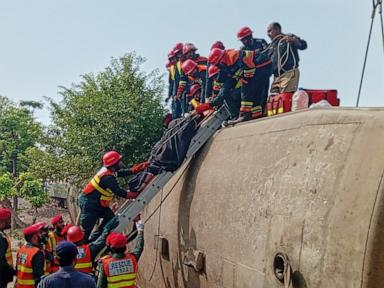
Miraculously, all 12 crew members—consisting of Turkish and Azerbaijani nationals—managed to escape into life rafts. Bulgaria’s Ministry of Defence scrambled Su-25 aircraft and Cougar helicopters alongside international naval assets to run a high-stakes rescue operation, pulling the crew to safety.
Just a day later, lightning struck twice. The Liberian-flagged gas carrier Gas Husky, traveling from Egypt to Romania, vanished from radar after midnight. An emergency buoy triggered a distress signal, confirming the vessel had gone down. All 19 crew members had to be airlifted from the water. Two sinkings in two days inside Bulgaria's exclusive economic zone shattered any remaining illusion of safety in western Black Sea shipping lanes.
The Changing Threat Matrix in NATO's Backyard
For a long time, the primary danger in the Black Sea was literal stationary drift mines. Crews kept watch for floating ordnance left over from early naval mining campaigns. But the shift toward autonomous aerial and surface drones has completely changed the operational reality.
Maritime security analysts note that these drone strikes are growing more frequent and precise. The geographical scope has expanded from waters immediately adjacent to Ukraine's ports outward toward the territorial waters and exclusive economic zones of NATO members like Romania and Bulgaria.
Insurance underwriters have taken notice. The Joint War Committee of the London insurance market expanded its high-risk designations to cover almost the entire Black Sea basin, excluding only narrow domestic coastal bands. Premiums have skyrocketed, and finding crews willing to sail into these waters is getting harder by the week.
Why Regional Authorities Stay Cautious
If you look closely at official statements from Sofia and Bucharest, you will notice a distinct lack of explicit finger-pointing. While independent maritime intelligence firms and regional analysts point heavily toward Russian efforts to disrupt Ukrainian agricultural exports, official Bulgarian authorities remain measured.
Bulgaria has repeatedly emphasized that concrete proof identifying the direct operators of these specific drone strikes is difficult to secure. Moscow has consistently denied responsibility for targeting civilian merchant shipping in the region, even as commercial vessels carrying staple foods and fuel continue to catch the crossfire.
This diplomatic tightrope leaves shipping operators in limbo. They cannot rely on active military escorts from NATO in commercial transit corridors, yet they face an adversary using asymmetric weapons that radar systems struggle to intercept reliably among regular merchant traffic.
Navigating the New Normal at Sea
If you operate vessels or manage logistics supply chains through Eastern European ports, the old risk assessments are completely obsolete. Standard navigation protocols do not account for fast-moving unmanned surface vessels packed with high explosives.
Operators are being forced to adapt. Enhanced electronic surveillance, active thermal imaging sweeps at night, and tighter coordination with coastal maritime rescue coordination centers are becoming baseline requirements rather than optional precautions.
The Black Sea is no longer just a trade route; it's a contested frontier. Until a stable security framework emerges, every cargo captain entering these waters is playing a high-stakes game of chance.