Every time a fire sparks at a supportive housing complex, local business owners rush to the microphones with a predictable script. Property values. Public safety. The erosion of commercial vitality. They point the finger at the facility down the block as the sole architect of their downtown woes, treating a shelter fire as proof of an ongoing urban apocalypse.
It is a convenient narrative. It is also an absolute cop-out.
I have spent years watching municipal policy debates play out across North America. I have seen commercial districts point at vulnerable populations while ignoring the rotting structural foundations of their own economic models. Blaming a supportive housing site for flagging retail sales or neighborhood anxiety ignores how modern cities actually function. It masks poor commercial adaptation, municipal underinvestment in actual infrastructure, and a refusal to confront the housing market's baseline cruelty.
Let us dismantle the lazy consensus.
The Scapegoat Economy
When a boutique or a local café watches foot traffic dry up, leadership looks for an immediate physical cause. A visible shelter or supportive housing complex provides an easy target. It stands right there on the corner, housing individuals struggling with addiction, mental health issues, or chronic poverty. It makes people uncomfortable.
Discomfort is not a business plan.
The idea that removing a supportive housing project magically revitalizes a commercial strip belongs in a fairy tale. Real estate markets do not collapse because a shelter opens nearby; they stagnate because commercial landlords demand exorbitant triple-net leases while clinging to retail formats designed for 1995. If your storefront depends on shielding shoppers from the harsh reality of urban poverty, your business model was already dead on arrival.
Urban economist Jane Jacobs taught us decades ago that cities need a dense, messy mix of uses to stay alive. Clean, sanitized commercial strips devoid of social reality do not attract thriving communities. They attract sterile corporate chains that extract capital and leave when margins tighten.
The Safety Fallacy
Let us address the public safety argument directly, because safety matters. Business owners argue that supportive housing brings rising crime and social disorder.
Here is what the data actually shows. Concentrations of poverty and homelessness generate friction, yes. But placing a sanctioned, managed facility in a neighborhood does not invent that friction; it concentrates and attempts to manage a pre-existing crisis that was previously bleeding out in alleys, parks, and doorways.
Closing or relocating a supportive housing project does not make the unhoused population vanish. It scatters them. It pushes individuals into less visible, more dangerous corners, increasing emergency response costs and worsening public health outcomes. When a fire occurs at one of these sites, it points to systemic underfunding and inadequate safety infrastructure, not an inherent flaw in the concept of housing people.
We starve these facilities of resources, crowd vulnerable residents into aging or substandard buildings, and then act shocked when maintenance issues escalate into emergencies. Then we blame the residents for existing.
What Actually Revitalizes a Neighborhood
If you run a business near a supportive housing complex and your primary strategy is lobbying City Hall for eviction or relocation, you are managing for failure. Smart urban survival requires a completely different playbook.
First, integrate, do not isolate. Successful business districts engage directly with neighborhood social service agencies. They hire security teams trained in de-escalation rather than relying solely on municipal police forces to clear
Why Blaming Supportive Housing For Property Value Drops Is Complete Nonsense
news
category: lifestyle
Every time smoke billows from a supportive housing complex, the local merchants grab their pitchforks. They point at the sirens, glare at the residents, and scream about neighborhood degradation.
It is the oldest, laziest knee-jerk reaction in urban planning.
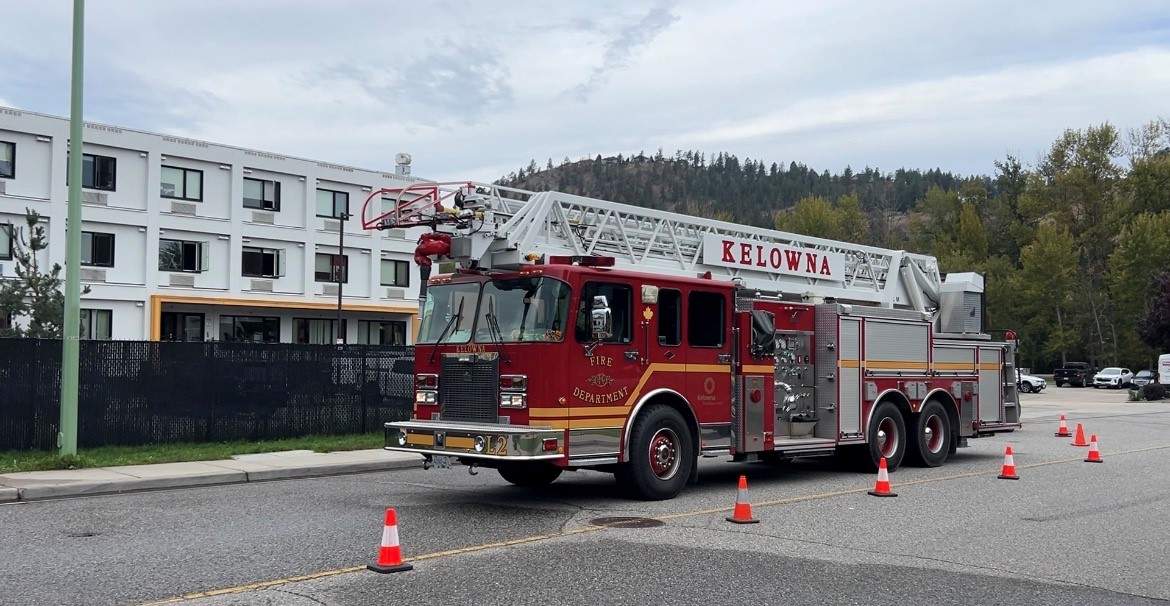
A fire breaks out at a Kelowna facility, and within minutes, the narrative writes itself. Local business owners line up to lament the threat to commerce, demanding relocations, tighter policing, or outright closures. They treat emergency services as proof that social infrastructure destroys economic vitality.
They have got it completely backwards.
I have spent two decades auditing municipal development projects and commercial districts across North America. I have watched chambers of commerce blow millions lobbying against shelters while missing the actual mechanics of urban decay right under their noses. The fire is not the disease. It is a symptom of a municipal system that starves support infrastructure of actual resources, then acts shocked when the pressure cooker blows.
The Lazy Consensus Must Die
The standard argument goes like this: put vulnerable people with complex behavioral health needs into a commercial corridor, and property values plummet while crime skyrockets. Business owners argue that patrons feel unsafe, foot traffic dries up, and insurance premiums climb.
This argument relies on a fundamental misconception of how urban risk works.
Property values do not drop because a supportive housing block opens down the street. They drop because cities refuse to fund the staffing ratios required to keep those facilities running safely. When a facility operates with a skeleton crew of burned-out social workers handling triple-digit caseloads, incidents happen. Fires happen. Overdoses happen.
Blaming the residents for structural underfunding is like blaming a passenger for a train crash when the city forgot to lay down the tracks.
Let us look at the actual data. Municipal assessments across British Columbia consistently show that proximity to well-managed, adequately staffed supportive housing has a negligible long-term impact on commercial real estate values. The real killer of small business vitality is not social infrastructure. It is economic stagnation, corporate retail monopolies, and a complete lack of municipal investment in public sanitation and basic emergency response times.
If local merchants spent half the energy demanding fully funded wrap-around care that they spend petitioning city hall for evictions, their bottom lines would look entirely different.
Anatomy of a Municipal Failure
Let us break down what actually happens when a fire breaks out in a facility like the one in Kelowna.
First, the media frames the event through the lens of business anxiety. Quotes from local store owners dominate the headlines. The narrative centers on neighborhood safety, as if the residents of the facility are rogue elements operating outside the social contract.
Second, politicians respond with performative concern. They promise reviews, enhanced patrols, and tighter oversight.
Third, nothing changes because the core structural deficit remains untouched.
What is the core deficit? Understaffing.
In a standard commercial office, a manager oversees a predictable workflow. In a high-support housing facility, staff manage unpredictable human crises involving trauma, addiction, and severe mental health challenges. When you cut funding to these operations, you eliminate the preventative buffer. Small issues escalate into emergencies because there are not enough eyes, hands, or hours in the day to intervene early.
A fire does not start because supportive housing exists. A fire starts because maintenance budgets are slashed, electrical systems are overworked, and residents lack the direct, hands-on support required to manage daily living safely in high-density environments.
The Uncomfortable Truth About Urban Real Estate
Let us address the elephant in the room. The real estate market hates friction. Business owners want sanitized, frictionless environments where every pedestrian is a guaranteed consumer with disposable income.
Human reality is messy. People struggle with addiction. People experience psychosis. People make mistakes that trigger emergency responses.
When merchants demand that cities push supportive housing into industrial parks or distant outskirts out of sight and out of mind, they are not solving a safety problem. They are exporting human misery to zip codes with less political capital. That is not urban management. That is spatial segregation disguised as economic protectionism.
My contrarian approach has a major downside, and I will own it openly: demanding higher density social infrastructure means higher tax burdens and more visible urban complexity in every neighborhood. You cannot hide the struggle. If you build functional supportive housing where it belongs—right in the heart of our communities—you are going to witness human suffering up close.
It is uncomfortable. It challenges our aesthetic preferences.
But sanitizing our streets by banishing the vulnerable does not make the problem vanish. It merely concentrates the failure until it explodes into a crisis that no amount of police presence can contain.
What To Do Instead
Stop fighting the wrong battle. If you own a business near a supportive housing complex, your enemy is not the facility. Your enemy is municipal neglect.
Here is the exact playbook to shift the dynamic from friction to functionality:
- Audit the facility staffing ratios. Do not demand closure; demand competence. Push the city council to tie operational funding to professional staff-to-resident ratios that actually ensure safety.
- Integrate security with social work. Traditional police intervention escalates crises involving mental health. Demand mobile crisis response units that pair paramedics and psychiatric nurses with local law enforcement.
- Invest in shared physical infrastructure. Partner with facility operators to co-fund better exterior lighting, secure waste management, and community liaison boards that give merchants a direct line to facility directors before small issues become front-page news.
The next time a siren wails down your block, do not look at the residents as a threat to your balance sheet. Look at the city budget and ask why they cut the safety net that was supposed to keep everyone safe in the first place.
Fix the funding, or accept the smoke.