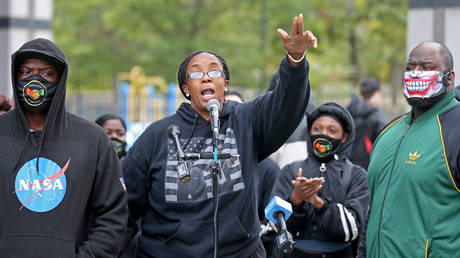
The headlines are finally catching up with Sir Maejor Page, the man who thought he could turn a global movement into a personal ATM. A federal judge recently ordered Page, whose real name is Tyree Conyers-Page, to repay more than $490,000. It's a massive sum. It's also a stark reminder of how easily "clout" translates into cash in the digital age. Most people followed the 2020 protests to seek justice. Page followed the money.
Page isn't just a random guy who got lucky. He founded "Black Lives Matter of Greater Atlanta" and built a massive following on Facebook. The problem? The organization wasn't actually affiliated with the official Black Lives Matter Global Network Foundation. He used the name to lure in donors who thought they were supporting social justice. Instead, they were buying Page a house, tailored suits, and a lifestyle that had nothing to do with activism.
How the Atlanta BLM Fraud Unraveled
The FBI didn't just stumble onto this. They started looking into Page after noticing that his "non-profit" bank account went from having almost nothing to being flush with nearly $500,000 in just a few months during the summer of 2020. That's a red flag for any tax authority or law enforcement agency. While millions of people were in the streets demanding change, Page was allegedly using a debit card linked to the charity's funds to pay for personal luxuries.
We’re talking about high-end furniture. We’re talking about a security system for his house in Toledo, Ohio. He even bought a house with the money. It wasn't a community center. It wasn't a shelter. It was his residence. When the FBI raided the property, they found evidence that the funds meant for "racial justice" were actually fueling a private shopping spree.
Page’s defense was that he was an activist and that the money was used for the movement. The jury didn't buy it. In early 2024, he was convicted of wire fraud and money laundering. This recent order to repay the $490,000 is the financial hammer falling after the criminal conviction. It’s about restitution. It’s about trying to make the donors whole, though many of those small-dollar contributors will likely never see their five or ten dollars again.
Why Social Media Activism Is a Goldmine for Scammers
Social media creates a vacuum of accountability. If you see a page with 100,000 likes and a professional-looking logo, you tend to trust it. Page knew this. He exploited the "Black Lives Matter" brand because it was the most recognizable social justice name in the world at the time. He didn't need to prove his credentials to Facebook or his donors. He just needed to post the right content and wait for the "Donate" button to do its work.
The reality is that "clout chasing" has become a business model. For Page, the performance of activism was just marketing. He dressed the part. He spoke the language. He leveraged the collective trauma of a nation to line his pockets. It's a cynical move that hurts actual grassroots organizers who are struggling to find even a fraction of the funding Page stole.
The Red Flags Donors Missed
Looking back, there were signs. If a local chapter of a major movement isn't listed on the national organization’s website, that's a problem. If the person running the page refuses to show a board of directors or transparent financial audits, that's another. Page was basically a one-man show with a very loud megaphone.
- Check the 501c3 status. Just because a page says it's a non-profit doesn't mean it is.
- Look for local impact. Real local chapters have a physical presence, events, and a track record of local policy work.
- Verify the banking. Legitimate charities don't usually have their founder buying tailored suits on the company dime.
The Broader Impact on Charitable Giving
When stories like this break, people stop giving. That’s the real tragedy. For every Sir Maejor Page, there are hundreds of legitimate organizers trying to keep the lights on. The "scammer" narrative gets weaponized against the entire movement, regardless of whether the scammer was actually part of it. Page wasn't. He was an interloper.
The court’s order for him to pay back nearly half a million dollars is a win for the legal system, but it’s a drop in the bucket compared to the damage done to public trust. Donors are now more skeptical. They’re more cynical. They’re less likely to hit that "Donate" button when the next crisis hits. And honestly? Maybe that's a good thing. Blind trust is what allowed Page to thrive.
What Happens to the Money Now
The $490,000 restitution order is meant to compensate the victims. But the logistics are messy. How do you track down thousands of individual donors who gave small amounts through a third-party platform years ago? The government will likely seize whatever assets Page has left—including that house in Ohio—to satisfy the judgment. It’s a slow process. It’s a bureaucratic nightmare.
Page is also facing prison time. His sentencing was a clear signal that the "activist" defense doesn't work when you’re caught using charity funds for a personal lifestyle. You can't launder money through a social movement and expect the First Amendment to protect you. Fraud is fraud, no matter what cause you wrap it in.
Protecting Your Donations from Future Sir Maejor Pages
You don't have to stop being generous. You just have to be smarter. Scammers count on your emotional response to a tragedy. They want you to give immediately without thinking. Don't do that. Take five minutes to Google the name of the organization and the word "scam" or "fraud."
Use tools like Charity Navigator or GuideStar. These sites exist specifically to vet non-profits. If an organization isn't listed or has a low rating for transparency, move on. There are plenty of reputable groups that will use your money for its intended purpose. Page’s downfall should be a wake-up call for everyone who spends time on social media. The "blue checkmark" or a high follower count doesn't mean someone is honest. It just means they’re good at getting attention.
The next time a major news event triggers a wave of online fundraising, remember Tyree Conyers-Page. Remember the house in Toledo and the tailored suits. Demand transparency before you open your wallet. If an organizer gets defensive when you ask about their board of directors or their tax filings, you have your answer. Keep your money and find someone who actually cares about the cause more than the clout.
The legal system finally caught up to one man, but the internet is full of others waiting for the next opportunity. Don't let your desire for change be their next paycheck. Support organizations with a proven history, clear leadership, and open books. Verify the 501(c)(3) status through the IRS website directly. If the organization is legitimate, they’ll have nothing to hide. Focus on local groups you can actually visit or see in action in your own community. Real change happens on the ground, not through a shady PayPal link.