The illusion of European geopolitical agency has officially expired. As the war in Iran escalates and Washington dictates the tempo of military engagement, European capitals are finding themselves relegated to the cheap seats of global strategy. Decades of institutional rhetoric about strategic autonomy have collided with a blunt, undeniable reality. Decisions that directly threaten European security, energy grids, and economic stability are finalized in the Oval Office without so much as a courtesy briefing to Brussels.
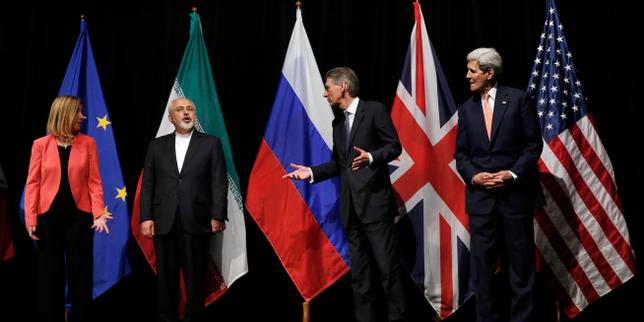
Back in 2015, European diplomacy sat proudly at the center of the Joint Comprehensive Plan of Action, brokering the Iranian nuclear deal with cautious optimism. Today, that diplomatic architecture lies in ruins. The conflict engineered and accelerated by the United States and Israel finds the European Union entirely locked out of the command rooms. Analysts lament this marginalization as a sudden diplomatic failure, but it is actually the logical culmination of thirty years of chronic underinvestment in hard power and systemic political fragmentation.
The Cost of Strategic Dependency
Europe chose comfort over capability. For generations, the trans-Atlantic security umbrella allowed European nations to channel capital into social programs and internal development while outsourcing defense to the Pentagon. That bargain contained a hidden expiration date. When Washington shifts its primary focus toward domestic imperatives or acute Middle Eastern confrontations, European allies discover they possess plenty of opinions but zero leverage.
Consider the mechanics of modern crisis management. Intelligence sharing heavily favors American assets. Satellite reconnaissance, cyber warfare capabilities, and long-range logistical networks are overwhelmingly controlled from North America. When an Iranian drone or missile threat materializes, NATO systems rely predominantly on American infrastructure and doctrine to coordinate a response. European defense forces function as capable regional auxiliaries rather than autonomous decision-makers.
This asymmetry creates a profound security vulnerability. Intelligence reports from security agencies indicate that regional actors and adversary states factor this transatlantic disconnect into their operational planning. If an escalation spills over toward European borders—through cyber attacks on critical infrastructure, maritime disruptions in the Mediterranean, or direct retaliatory strikes—the continent depends entirely on a foreign electorate's whims to determine its protection level.
The Illusion of Economic Clout
For years, European leaders comforted themselves with the belief that economic might equaled geopolitical muscle. The common market was supposed to act as a regulatory superpower, capable of bending global actors to its will through sheer commercial gravity. That theory has fractured under the weight of active warfare.
Sanctions regimes imposed by Washington against Tehran routinely force European corporations to choose between complying with American secondary sanctions or abandoning lucrative global markets. European banks and multinational firms comply with American directives instantly, overriding the political declarations issued by European foreign ministries. Capital flows and financial supremacy dictate compliance, and the center of financial gravity remains firmly anchored across the Atlantic.
Brussels can issue joint statements condemning escalations or calling for restraint until exhaustion sets in, yet these communiqués carry no strategic weight. Adversaries do not fear European disapproval because they know it lacks military teeth. Washington understands this dynamic intimately, treating European allies more like administrative zones to be managed than sovereign partners to be consulted.
The Pathology of Institutional Paralysis
Even within the borders of the Union, decision-making structures actively prevent the emergence of a unified foreign policy. The requirement for consensus among member states turns every major geopolitical crisis into a protracted internal negotiation. By the time twenty-seven distinct national interests are reconciled into a single diplomatic compromise, the strategic moment has long since vanished.
Washington acts with speed and singular purpose. Europe debates procedure while crises mutate. This structural handicap ensures that foreign leaders look past European capitals entirely, preferring to deal directly with individual governments or simply ignore the continent altogether.
The path out of this geopolitical irrelevance requires far more than incremental budget increases or rhetorical flourishes about European defense integration. It demands an uncomfortable reckoning with sovereignty, nuclear deterrence, and the willingness to bear the economic and human costs of true independence. Until European societies accept that security requires sacrifice rather than outsourcing, the continent will remain a spectator in a world shaped by powers that no longer bother to ask for permission or advice.