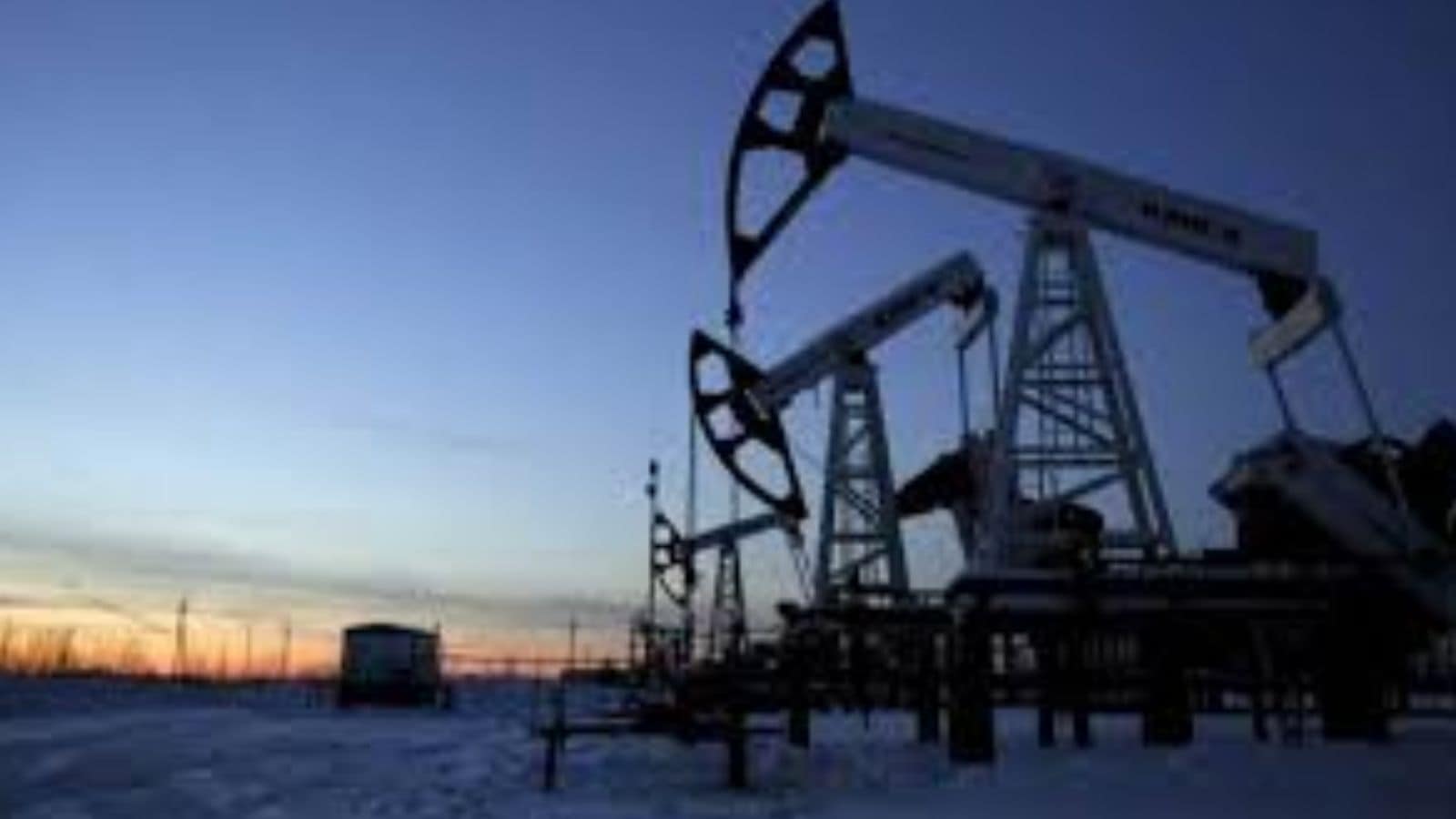
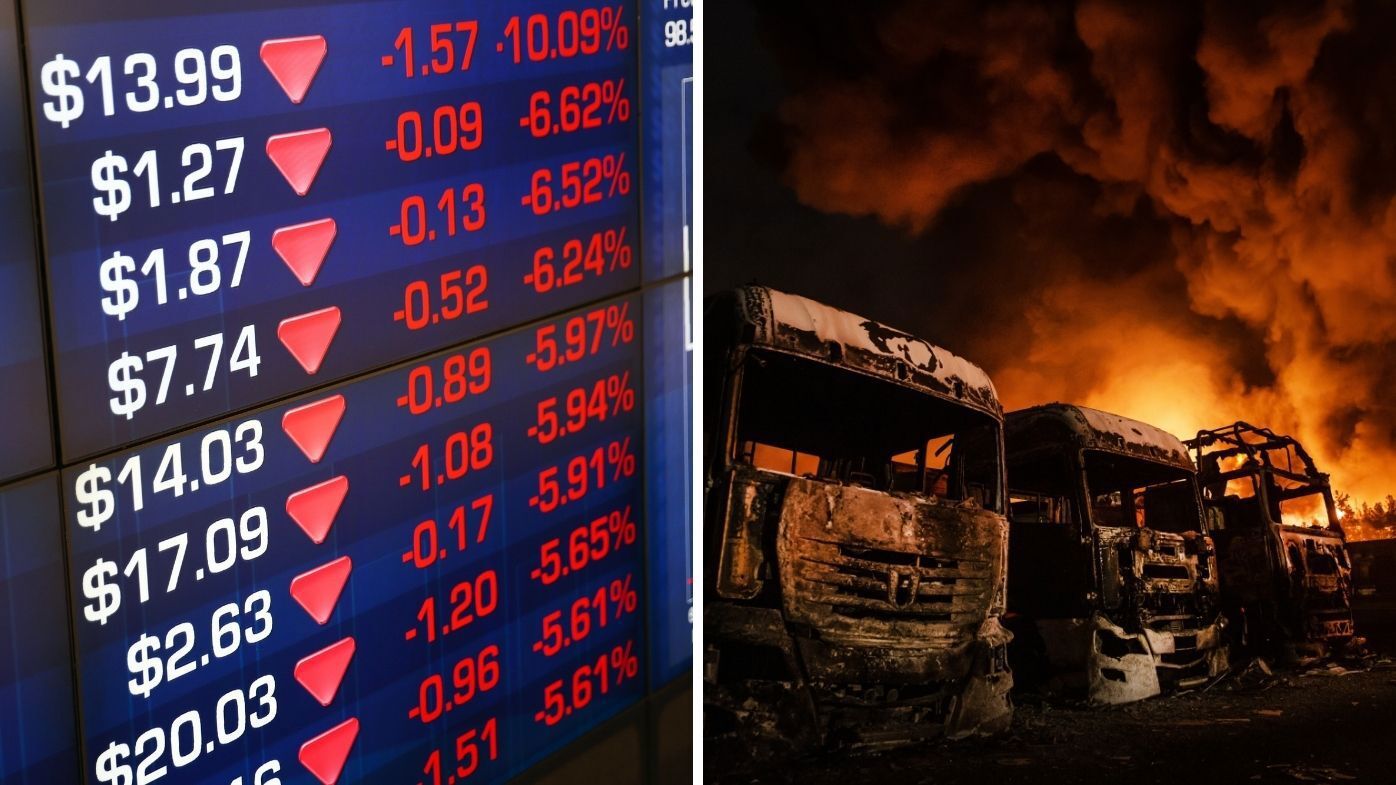
The global energy market just crossed a psychological tripwire that few expected to hit so soon in 2026. On Sunday night, Brent crude surged past $100 a barrel, fueled by the widening fallout of the military campaign in Iran and the effective closure of the Strait of Hormuz. For American consumers, this isn't just a number on a ticker; it is a direct hit to the wallet that has already pushed the national gas average to $3.45 per gallon.
While the headlines focus on the immediate sticker shock, the real story lies in the diverging political gambles being taken in Washington. Democrats have pivoted instantly, framing the surge as a "reckless consequence" of the administration's foreign policy. Meanwhile, President Trump is betting his political future on the idea that this spike is a "temporary sugar high" that will collapse once the military objectives are met. It is a high-stakes game of economic chicken where the prize is the 2026 midterm elections.
The Hormuz Chokepoint and the $100 Reality
For decades, the Strait of Hormuz has been described as the world’s most important oil artery. Today, that artery is constricted. With roughly 20% of the world’s oil supply normally transiting through this narrow passage, any disruption creates an immediate supply-demand vacuum.
The current price action is not just about the oil that isn't moving; it is about the "risk premium" baked into every future contract. Traders are no longer pricing oil based on current inventory—which remains relatively stable in the West—but on the fear of a protracted regional conflict.
Why the Price Jumped
- Operation Epic Fury: The joint U.S.-Israel strikes on Iranian oil depots over the weekend signaled to the markets that energy infrastructure is no longer off-limits.
- The Tanker Freeze: Insurance rates for vessels in the Persian Gulf have skyrocketed, effectively halting the movement of crude from neutral producers like Kuwait and the UAE.
- The "Risk Premium": Financial analysts estimate that $10 to $15 of the current $100 price is pure geopolitical anxiety.
The Political Calculus of "If They Rise, They Rise"
President Trump’s reaction to the triple-digit barrel has been uncharacteristically detached from the immediate pain at the pump. In a recent interview, he dismissed the surge, stating, "If they rise, they rise." This marks a significant departure from his usual focus on low energy prices as a metric of success.
The administration’s strategy is rooted in a belief in "Energy Dominance." The theory is that by neutralizing the Iranian threat to shipping once and for all, the U.S. will eventually secure a lower long-term price floor. It is a "pain now for gain later" argument that assumes the American voter has a high tolerance for $4 gas.
However, industry insiders are skeptical. While the President claims the Iranian navy is at the "bottom of the sea," the reality is that asymmetric warfare—mines, drones, and shoreline missiles—can keep the Strait of Hormuz closed long after the conventional fleet is gone.
The Democratic Counter-Offensive
Sensing a massive opening ahead of the midterms, Democrats have moved to reclaim the "affordability" narrative. Senate Minority Leader Chuck Schumer and other high-ranking officials are calling for an immediate release from the Strategic Petroleum Reserve (SPR).
Their argument is straightforward: the administration has the tools to blunt this shock but is choosing not to use them. By framing the price hike as a "war of choice," they are attempting to link every cent of inflation directly to the White House.
The Democratic Playbook
- The SPR Demand: Pushing for a massive release of emergency crude to flood the market and break the $100 ceiling.
- Legislative Pressure: Introducing bills to tackle "war profiteering" by energy companies.
- The Climate Angle: Using the volatility to argue for a faster transition to renewables, framed not as an environmental goal, but as a national security imperative to decouple the U.S. economy from Middle Eastern instability.
The Empty Toolbox
Despite the rhetoric from both sides, the truth is that the U.S. government has surprisingly few levers to pull to change the price of oil in the next 72 hours.
The SPR is a one-time buffer, not a permanent solution. Domestic shale producers, while capable of increasing output, cannot "turn on the tap" overnight. It takes months to drill, frack, and bring new supply to the market. Furthermore, many shale executives are hesitant to dump capital into new production if they believe the President is right and prices will "drop rapidly" later this year.
The Midterm Shadow
Everything in this debate is being filtered through the lens of the November midterms. Historically, rising gas prices are the single most reliable predictor of incumbent losses.
If the administration can’t reopen the Strait and bring prices back under $80 a barrel by the summer, the "Energy Dominance" narrative will likely be buried under the weight of household bills. The White House is currently exploring "imminent" measures, including a federal gas tax holiday and easing environmental rules on summer fuel blends. These are band-aids on a deep wound.
The $100 barrel is a symptom of a world where energy is being used as a primary weapon of statecraft. As long as the conflict continues, the market will remain in a state of hyper-volatility, leaving the American consumer to foot the bill for a geopolitical gamble that has yet to pay off.
Would you like me to analyze the specific impact of the proposed federal gas tax holiday on the 2026 inflation forecasts?