Beijing is aggressively rebranding Xinjiang from a heavily fortified security zone into a bustling gateway for international commerce. By throwing open the doors to foreign dignitaries, hosting high-profile trade forums, and offering massive tax incentives, the Chinese government aims to normalize the region’s status and obscure a dark history of mass internment. The strategic goal is simple. Beijing wants to lock Central Asian economies into its orbit and force the West to accept Xinjiang’s economic integration, effectively neutralizing international sanctions through sheer economic gravity.
For years, the word Xinjiang evoked global condemnation. Satellite imagery captured sprawling detention complexes, razor wire, and watchtowers. Today, those same coordinates are being buried under concrete logistics parks, automated shipping terminals, and high-tech manufacturing plants.
The Silk Road Shell Game
The transition from a security state to a commercial powerhouse is not an accident of the market. It is a top-down state mandate. The centerpiece of this strategy is the China-Xinjiang Pilot Free Trade Zone, established to act as a magnet for foreign investment and cross-border trade.
By offering deep corporate tax cuts, subsidized electricity, and streamlined customs clearance, Beijing is enticing domestic and international firms to set up operations. The immediate targets are neighboring Central Asian republics like Kazakhstan, Kyrgyzstan, and Uzbekistan. These nations find themselves in a difficult position. They are caught between Western pressure to respect human rights and the undeniable reality of Chinese capital.
The trade forums hosted in Urumqi are designed to project an aura of absolute normalcy. Foreign businessmen walk through glittering convention centers, sign multi-million-dollar procurement deals, and toast to mutual prosperity. This orchestrated commercial theater serves a dual purpose. It creates economic interdependency while offering a sanitized narrative to the world. If foreign governments and corporations are actively trading in Xinjiang, the argument goes, then the allegations of human rights abuses must be exaggerated or obsolete.
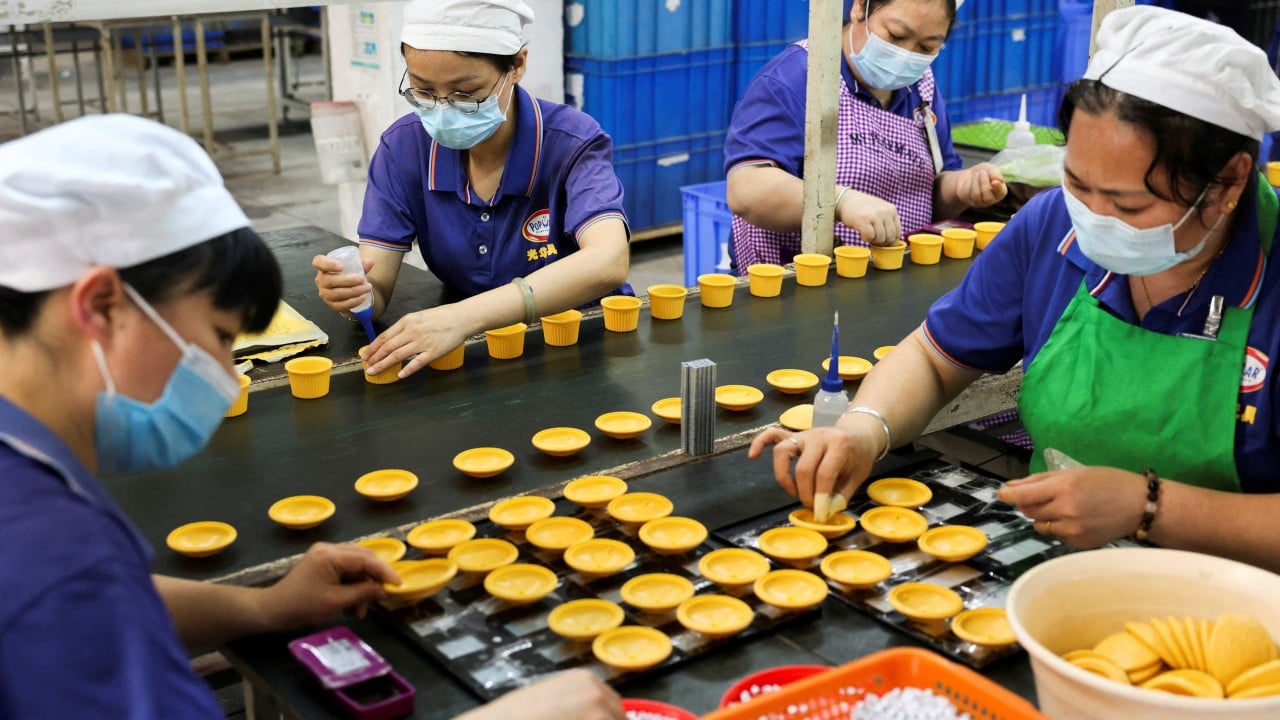
The reality on the ground is far more complex. The security apparatus has not vanished. It has simply evolved. The overt, heavy-handed policing of the mid-2010s has transitioned into a sophisticated, digitized network of social control. Facial recognition cameras, biometric checkpoints, and digital tracking are seamlessly integrated into the new commercial infrastructure. The workers operating the machinery in these new factories are often graduates of the very "vocational training centers" that drew global outrage. The coercion is less visible now, hidden behind employment contracts and poverty alleviation statistics.
Economic Coercion Across the Border
Central Asian nations are highly vulnerable to this economic offensive. Depressed economies and a lack of alternative infrastructure partners leave them with few options but to embrace Beijing's vision.
- Kazakhstan serves as the primary land bridge, routing rail freight from western China directly into Europe.
- Kyrgyzstan relies heavily on Chinese consumer goods for its massive re-export markets, which supply the rest of Central Asia.
- Tajikistan has traded mineral rights and mining concessions in exchange for infrastructure loans it cannot otherwise repay.
This economic asymmetry gives Beijing immense leverage. When a Central Asian state signs a new trade agreement in Urumqi, it isn't just buying cheap goods. It is buying into a geopolitical alignment that requires silence on the Xinjiang issue.
Laundering Supply Chains
The ultimate challenge for Beijing’s new strategy is the Western regulatory wall. Legislation like the Uyghur Forced Labor Prevention Act in the United States creates a legal presumption that any goods manufactured in Xinjiang are tainted by forced labor.
To circumvent these restrictions, supply chains are becoming deliberately opaque. Raw materials extracted or processed in Xinjiang, such as cotton, polysilicon, and tomato paste, are shipped to other provinces in China or to third-party nations in Southeast Asia. Once there, they undergo final assembly, receive a new country-of-origin label, and are exported to Western markets.
[Xinjiang Raw Materials] ➔ [Internal Chinese Provinces / SE Asia] ➔ [Global Markets]
       (Polysilicon/Cotton)              (Final Assembly & Relabeling)          (Sanction-Bypassed)
This laundering process makes tracking incredibly difficult for international compliance auditors. A solar panel assembled in Southeast Asia may use silicon wafers forged in an industrial park outside Aksu, powered by cheap, coal-fired electricity. The Western consumer remains oblivious. The multinational corporation maintains plausible deniability. Beijing secures its revenue stream.
The financial stakes are massive. Xinjiang produces roughly one-fifth of the world’s cotton and a dominant share of the global supply of polysilicon, a critical component in solar panels. The global transition to green energy runs directly through the region. This creates an acute paradox for Western policymakers. They must choose between hitting aggressive climate goals using cheap Chinese components or enforcing human rights sanctions that slow down the energy transition.
The Failure of Western Audits
Traditional corporate oversight is entirely ineffective in this environment. Independent supply chain auditors cannot operate freely in Xinjiang. Any investigator attempting to conduct unannounced factory visits or private interviews with workers faces immediate detention, harassment, or expulsion by state security.
Compounding this issue is the intimidation of local workers. A factory employee interviewed in the presence of state handlers will never speak candidly about working conditions or coercive labor transfers. The documentation provided to Western compliance officers is meticulously scrubbed, presenting a flawless record of voluntary employment and fair wages that rarely reflects the coercive reality of state-directed labor placements.
The Infrastructure Fortress
To understand the scale of this economic pivot, one must look at the hard infrastructure. Billions of dollars are flowing into expanding the rail networks linking Urumqi to European freight hubs. Automated cargo ports at Khorgos and Alashankou handle thousands of containers daily, bypassing traditional maritime routes that could be vulnerable to blockades during a geopolitical conflict.
This is about more than just selling goods. It is about building a sanction-proof economy. By shifting manufacturing inland and establishing direct, overland trade routes across Eurasia, China reduces its vulnerability to Western maritime dominance. The industrial parks of Xinjiang are being built to withstand external economic shocks.
The strategy also exploits a fundamental vulnerability in Western capital markets. Despite political rhetoric about decoupling, international investment funds continue to flow into Chinese companies involved in Xinjiang’s development. Index funds and passive investment vehicles regularly include state-owned enterprises that operate in the region, meaning Western retirement accounts are inadvertently financing the very infrastructure designed to bypass Western sanctions.
The New Digital Silk Road
The physical trade corridors are being reinforced by a digital parallel. Beijing is exporting its surveillance architecture and smart-city technologies directly to the Central Asian regimes participating in the Xinjiang trade forums.
By supplying facial recognition systems, network monitoring tools, and digital governance platforms to neighboring capitals, Beijing creates a shared technological ecosystem. This normalizes authoritarian governance methods across the region, making it far easier to suppress cross-border activism and dissent that could threaten the stability of the trade routes.
A Trap Wrapped in an Opportunity
The foreign corporations rushing to cash in on Xinjiang's heavily subsidized economic boom are walking into a carefully constructed trap. The short-term profits generated by cheap land, subsidized power, and low labor costs come with immense long-term liabilities.
As geopolitical tensions escalate, the risk of secondary sanctions increases exponentially. Companies that rely on Xinjiang components face the prospect of sudden asset freezes, reputational ruin, and exclusion from Western financial systems.
Yet, the gravitational pull of the Chinese market remains potent. For many executives, the immediate pressure to deliver quarterly returns outweighs the abstract risk of future regulatory enforcement. Beijing understands this corporate myopia perfectly and exploits it to the fullest extent.
The transformation of Xinjiang is a stark demonstration of raw state power reshaping economic reality. By embedding a region once defined by detention camps into the core fabric of global supply chains, Beijing is daring the international community to stop them. It is a high-stakes gamble that economic self-interest will ultimately triumph over moral consensus.