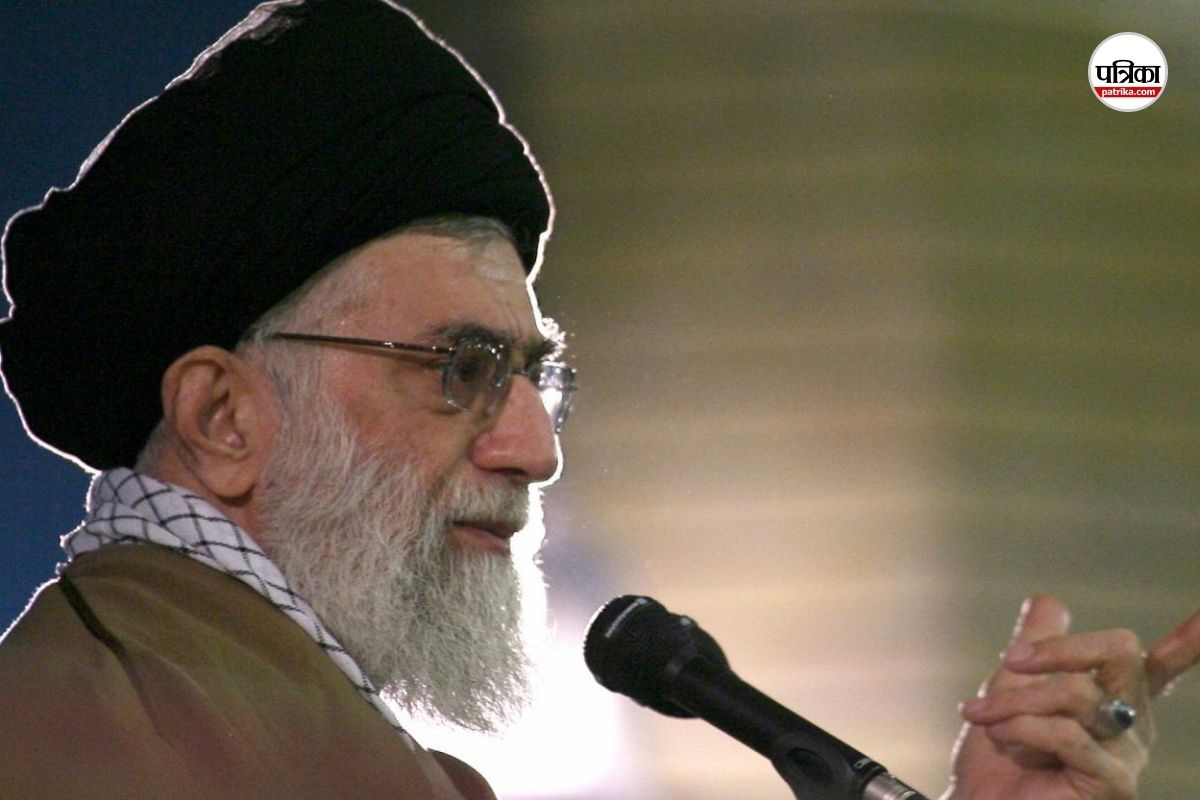
The era of the Islamic Republic as we knew it ended at 8:10 am local time on February 28, 2026. After decades of shadow boxing, proxy wars, and calculated escalations, the "red line" wasn't just crossed—it was obliterated. Ali Khamenei, the 86-year-old Supreme Leader who outlasted five American presidents and steered Iran through nearly four decades of isolation, is dead. His passing was not a quiet fade into the history books but a violent, systemic removal orchestrated by a joint U.S.-Israeli "decapitation strike" that has left the Middle East on the precipice of a total war.
Iranian state media, after an initial 24-hour period of frantic denial, finally confirmed the death of the Rahbar on March 1. The delay was a tell-tale sign of the absolute chaos currently gripping the halls of power in Tehran. This was not a random missile strike. It was a surgical, multi-platform operation dubbed "The Epic Fury," designed to catch the upper echelon of the Iranian regime in a single, high-security location. Along with Khamenei, reports confirm the deaths of several high-ranking officials, including the head of the Islamic Revolutionary Guard Corps (IRGC), the Defense Minister, and the Secretary of the National Security Council.
The Intelligence Failure That Killed a Kingmaker
The most staggering aspect of this operation is the sheer depth of the intelligence breach. Khamenei lived in a world of concentric circles of security, moving between hardened bunkers and nondescript compounds with a level of paranoia that usually ensures survival. To pin him down in a daylight meeting in central Tehran required more than just satellite imagery. It required human assets within the inner sanctum.
The CIA and Mossad reportedly spent months tracking the specific movements of the Supreme Leader’s inner circle. The strike hit a compound where Khamenei was meeting his senior advisors to discuss the failing nuclear negotiations and the fallout of the December 2025 protests. By dropping 30 bunker-busting munitions on a single city block, the joint forces didn't just kill a man; they attempted to "raze" the entire command-and-control structure of the Iranian state.
The strategy is clear: cause a total collapse of the decision-making process before the regime can pivot to a retaliatory stance. However, history teaches us that decapitation strikes rarely result in the clean "regime change" that planners envision. When you cut off the head of a decentralized security apparatus like the IRGC, you don't get a surrender. You get a dozen smaller, more desperate heads looking for blood.
A Nation Split Between Celebration and Terror
The reaction on the ground in Iran has been a jarring study in contrast. In the northern districts of Tehran and the tech hubs of Karaj, videos have surfaced of residents honking car horns and cheering from rooftops. For a generation that spent the last year dodging the bullets of the Basij paramilitary during the winter protests, the death of the man who ordered the crackdowns feels like a reprieve.
But in the more conservative heartlands and the pilgrimage city of Mashhad, the mood is one of funereal rage. The government has declared 40 days of mourning, but they are mourning more than just a leader. They are mourning the stability of the theocratic experiment. The IRGC, though wounded by the loss of its top brass, remains the most powerful economic and military force in the country. They are the ones who will decide if the "Transition Council" led by President Masoud Pezeshkian actually holds power, or if a military junta is the only way to prevent a full-blown civil war.
The Regional Domino Effect
While Tehran smolders, the rest of the region is feeling the heat. This was a "preventative war" launched under the premise of stopping Iran’s nuclear breakout, but the fallout is already kinetic.
- Hezbollah’s Revenge: Within hours of the confirmation, Hezbollah launched rocket barrages at northern Israel, breaking the 2024 ceasefire. Their leadership knows that without the patron in Tehran, their own survival is at stake.
- The Gulf in the Crossfire: Iranian retaliatory strikes have already hit targets in the UAE, Bahrain, and Kuwait. These are the "soft targets" Iran uses to show the world that if they go down, they are taking the global oil markets with them.
- The US Gamble: President Donald Trump’s administration has framed this as "justice" and a "chance for the Iranian people." It is a high-stakes gamble that assumes the Iranian public will rise up and take over before the IRGC can regroup. If they don't, the U.S. has just committed itself to another multi-year conflict in a region it has been trying to leave for a decade.
The Succession Crisis No One Is Prepared For
Iran’s constitution dictates that the Assembly of Experts must choose a new leader. In practice, this process is an opaque wrestling match between the aging clerics and the young, radicalized colonels of the IRGC. There is no clear successor. Khamenei’s son, Mojtaba, has long been rumored to be the heir apparent, but his appointment would likely spark even more domestic unrest, as it would turn the revolutionary republic into a hereditary monarchy—the very thing the 1979 revolution sought to destroy.
The vacuum left by Khamenei is not just political; it is existential. He was the glue that held the various factions of the hardliners, the pragmatists, and the military together. Without his final word, every decision—from whether to launch a full-scale ballistic counter-attack on Tel Aviv to whether to open the gates to protesters—becomes a potential flashpoint for internal conflict.
The strike on February 28 was a masterpiece of military planning and a nightmare of geopolitical forecasting. We are no longer in a period of "tension" or "proxy conflict." We are in the opening act of a fundamental reshaping of the Middle East, one where the old rules of deterrence have been buried under the rubble of a Tehran compound. The question is no longer whether the regime will fall, but what will rise from the ashes to replace it, and how many people will die in the transition.
Watch the movement of the IRGC’s "Quds Force" in the coming 48 hours. If they move to secure the borders and the oil fields rather than launching more missiles at Israel, it suggests a move toward internal preservation. If the missiles keep flying, the decapitation strike didn't kill the threat; it only made it more unpredictable.