The road to hell is paved with good intentions and, apparently, a lack of American-made ceiling fans. We’re currently staring down a massive housing shortage, yet a federal law designed to boost domestic manufacturing is effectively paralyzed, leaving affordable housing projects in a state of suspended animation. It’s called the Build America, Buy America (BABA) Act. On paper, it’s a patriotic masterstroke. In reality, it’s a bureaucratic nightmare that’s driving up costs and delaying move-in dates for the people who need roofs the most.
If you’re a developer using federal funds in 2026—whether that’s through HUD, the HOME program, or the Housing Trust Fund—you’re likely feeling the squeeze. The law mandates that all iron, steel, construction materials, and "manufactured products" used in these projects must be produced in the U.S. Sounds great, right? The problem is that the American supply chain for specialized apartment components didn't magically appear overnight just because a bill was signed.
The Bottleneck Nobody Saw Coming
You can’t just go to a local hardware store and assume everything is BABA-compliant. Developers are now hiring expensive consultants just to track down where a specific sink hook or LED light fixture was fabricated. Some are spending upwards of $60,000 on compliance audits before they even break ground. That’s money that should be going into actual construction, not paperwork.
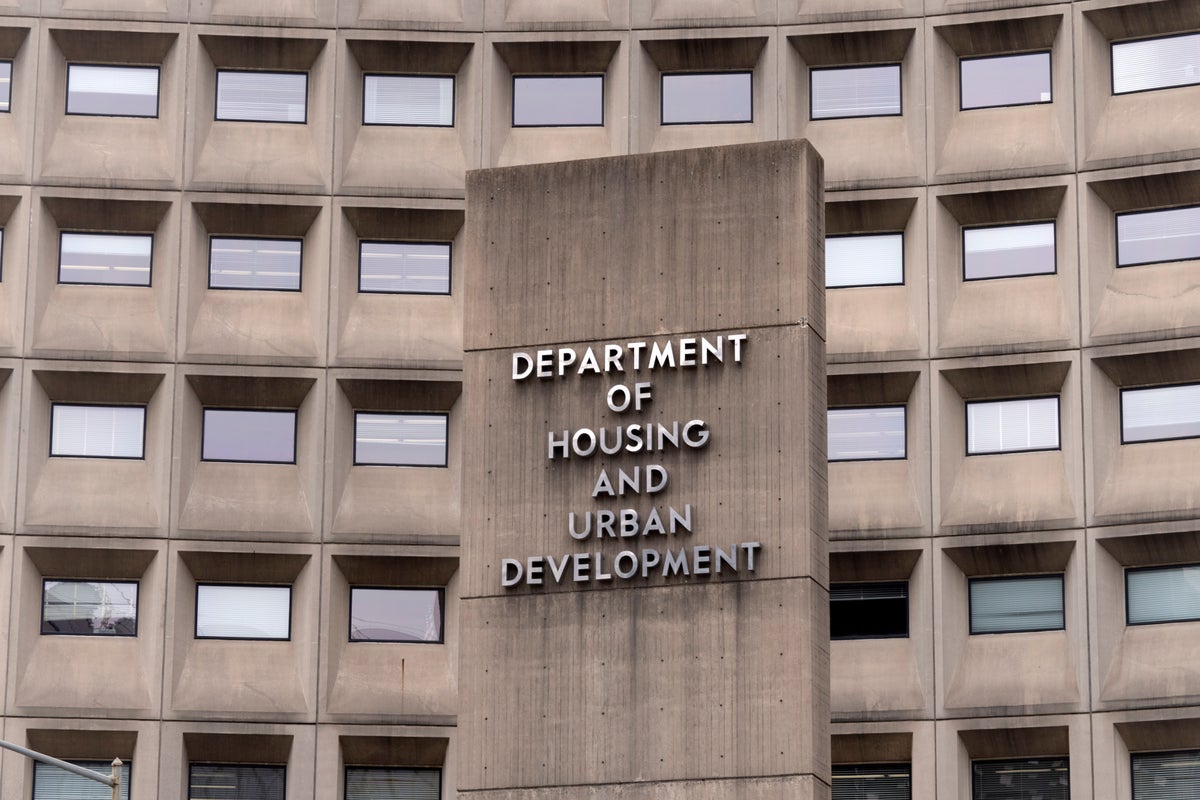
The real kicker? The waiver process is a mess. When a builder can't find a U.S.-made version of a product—which happens constantly with things like HVAC units and elevators—they have to ask the Department of Housing and Urban Development (HUD) for a waiver. Under the current administration, HUD’s staffing has been tightened, and the turnaround for these requests has slowed to a crawl. We’re talking six months or more just to get permission to buy a foreign-made part that doesn’t even have a domestic alternative.
Why the Math Doesn't Add Up for Affordable Housing
Affordable housing isn’t like luxury condo development. The margins are razor-thin. These projects rely on a "layer cake" of funding—tax credits, local grants, and federal subsidies. If one layer of that cake triggers BABA, the whole project often has to comply.
- Unreasonable Cost Increases: The law allows for a waiver if using American products increases the total project cost by more than 25%. But think about that. A 24% increase is still a project-killer for most non-profit developers.
- The De Minimis Trap: There’s a "de minimis" exemption for materials that make up less than 5% of the total cost, capped at $1 million. In a $40 million apartment complex, that $1 million vanishes fast once you start looking at all the small specialized hardware required.
- Availability Gaps: It’s relatively easy to find American steel. It’s significantly harder to find a 100% American-made smart thermostat or a high-efficiency heat pump that meets the specific price points required for low-income housing.
Honestly, it’s a classic case of policy disconnect. We have one arm of the government screaming about the 1.2 million-home shortage while the other arm is making it harder and more expensive to build them.
The Quiet Retreat of Small Developers
The most frustrating part isn't just the delays; it’s the projects that never happen. I’m seeing developers in rural areas like Kentucky and Maine simply scale back. Instead of applying for a large federal grant to build 30 units, they’re building eight units with private money just to avoid the BABA headache.
When developers "right-size" their projects to dodge federal red tape, the community loses out on 22 potential homes. Multiply that by thousands of small-scale builders across the country, and the housing crisis gets exponentially worse. HUD Secretary Scott Turner has hinted at "flexibility" for certain projects, but "looking into it" doesn't help a senior citizen who’s been on a waitlist for five years.
Navigating the BABA Minefield
If you’re currently stuck in this loop, don't wait for a policy miracle. You have to be aggressive with your pre-construction strategy.
- Identify Funding Triggers Early: Don't assume your project is exempt. Check the obligation dates of your federal funds. Most money obligated after August 2024 is fully under the BABA thumb.
- Supplier Scouting: Use the NIST Manufacturing Extension Partnership (MEP) to hunt for domestic suppliers before you finalize your specs.
- Document Everything: If you're going for a non-availability waiver, you need proof of due diligence. That means saved emails, denied quotes from U.S. firms, and market research data.
- Sequence for Delays: If you know you need an elevator waiver, submit that paperwork the day you get your funding. Do not wait until the framing is up.
The intent of Build America, Buy America is noble. We want a strong industrial base. But using the most vulnerable Americans—those waiting for affordable housing—as leverage to force a manufacturing shift is a losing strategy. Until the waiver process is streamlined or specific housing exemptions are carved out, the "Made in the USA" label will continue to come with a side of "Delayed Indefinitely."
Start your compliance audit the moment you apply for federal grants. If you wait until the procurement phase to check for BABA compliance, you've already lost six months of your timeline.