Thousands of international students are staring down financial ruin and deportation because Canada's immigration system keeps moving the goalposts. If you are watching the headlines out of Alberta right now, you know things have gotten intensely messy. Portage College, a public institution caught in the crossfire of shifting federal guidelines, recently offered a piece of advice to protesting graduates that sounds almost insulting on the surface: go find your local Member of Parliament.
When you have invested upwards of thirty thousand dollars in tuition and pinned your future on a Post-Graduation Work Permit (PGWP), being told to write a letter to a local politician feels like a bureaucratic brush-off. But understanding why this crisis erupted explains why politicians might actually be your last resort.
The Roots of the Portage College Work Permit Chaos
Let's look at how we got here. Portage College partnered with private institutions like the Canadian Institute of Osteopathic Therapy in Calgary to deliver specific programs. Students enrolled believing, based on historical norms and written assurances, that completing these courses meant they qualified to apply for a PGWP.
Then Immigration, Refugees and Citizenship Canada tightened the screws. Ottawa shifted policy timelines regarding public-private partnership programs and doubled down on a strict rule: non-credit courses do not qualify for post-graduation work permits. Suddenly, hundreds of graduates—a large portion of them Indian students who sold property or took out massive loans back home—found their applications rejected en masse.
Portage College maintains it has zero control over federal immigration outcomes. That part is true. Colleges do not issue visas; IRCC does. Yet institutions share the blame for selling seats in partnership programs without anticipating how aggressively federal policy would pivot against them.
Why Turning to Your MP Is a Real Step, Not Just Filler
Nobody wants to hear about mailing a constituency office when they are facing a removal order or losing their legal status. But in the Canadian parliamentary system, MPs hold unique leverage over federal departments like IRCC.
If you choose to approach your MP, do not just send a generic email. You need to lay out your exact timeline. Attach your enrolment letters, proof of payment, and the specific rejection notice from IRCC. Constituency assistants deal with federal bottlenecks daily. While they cannot rewrite immigration law, they can submit an inquiry directly to the immigration minister's office to request a file review if there is evidence of systemic unfairness or administrative error.
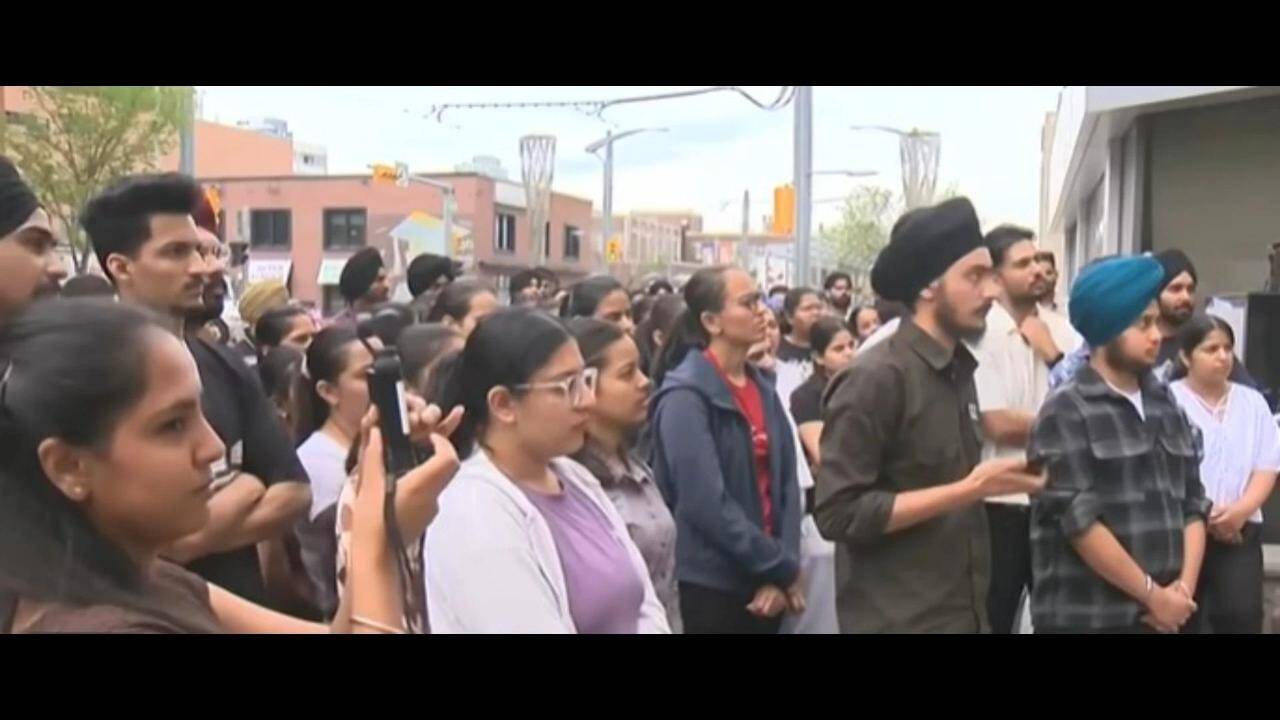
At the same time, look at the legal realities. Recent weeks showed how quickly protests can shift into enforcement actions. Demonstrations in Calgary ended abruptly after border enforcement officers flagged several attendees for status checks, leading to potential inadmissibility interviews. Protesting loudly on a public sidewalk feels empowering, but it will not override an immigration statute.
If you are caught in this storm, stop relying on WhatsApp rumors or crowd mentality. Consult a regulated Canadian immigration consultant or a lawyer fighting these refusals in federal court. Combine legal representation with political advocacy by contacting your representative today.
Watch this report on the Calgary protests and PGWP refusals to see how international graduates are organizing their next legal and political moves.
http://googleusercontent.com/youtube_content/1