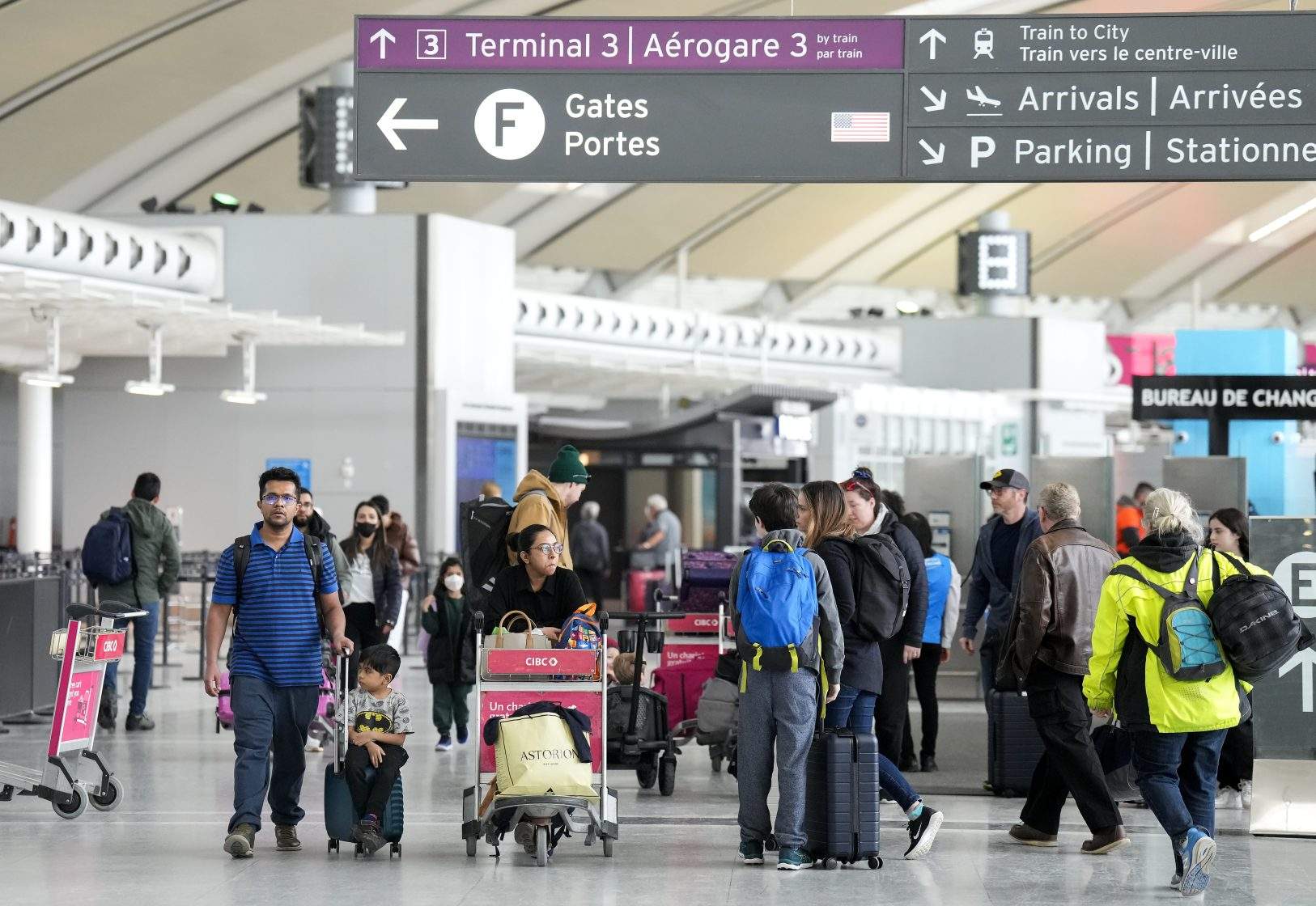
For over a year, Canadians collective refusal to head south felt like a permanent shift. Millions of us swapped Florida beach vacations for trips across Europe, road trips through Atlantic Canada, or quiet weekends closer to home. But fresh numbers from Statistics Canada show a subtle turn in the tide.
Canadian travel to U.S. destinations grew for a second consecutive month, with return trips hitting 2.6 million in May before climbing again through June. If you liked this article, you should check out: this related article.
Is the long cross-border cold war over? Not quite. But if you look behind the headline numbers, you'll see why thousands of Canadians are quietly crossing the border again—and why it doesn't mean everything is returning to normal.
The Real Numbers Behind the Cross Border Rebound
Statistics Canada recently dropped its latest travel figures, and the media immediately jumped on the story. After 15 straight months of declines that chopped billions out of American tourism, Canadians returned from 2.6 million trips south in May, a 9.9 per cent jump year over year. The upward trend continued through June with a modest 3.2 per cent increase. For another angle on this story, see the latest coverage from AFAR.
That sounds like a massive comeback on paper. In reality, it's a minor recovery from a deep bottom.
During the height of the pullback in 2025, Canadian leisure travel to the U.S. cratered by 21.5 per cent. That single-year drop translated to 3.2 million fewer trips and wiped out roughly $3.3 billion in spending. When you drop off a cliff, a small bump looks like a surge.
Canadian-Resident Return Trips from the U.S. (May Comparison)
2024: 2.85M trips
2025: 2.37M trips
2026: 2.60M trips
What actually drove the recent uptick isn't a sudden rekindling of affection for stateside shopping malls. It comes down to basic economics, localized travel deals, and sheer necessity.
Drive Trips vs Flight Bookings tell Two Different Stories
If you look closely at how people are traveling, the difference between air and road transit tells the real story.
Automobile travel drove almost all the recent growth. Car crossings jumped by over 5 per cent in recent months, while return flights from the U.S. actually continued to drop by nearly 4 per cent.
People aren't booking expensive flights to Vegas or Orlando like they used to. Instead, border-town residents and regional drivers are making short, targeted trips across the line.
- Price-sensitive road trippers: Soaring jet fuel prices made international flights ridiculously expensive this season. Driving across the border for a long weekend became the budget-friendly alternative for families who still wanted a quick getaway.
- Aggressive U.S. discounts: Border towns, state tourism boards, and resort hotels got hit hard during the 2025 slump. To win back business, many started offering 15 per cent discounts specifically for Canadian residents, while others offered "at-par" exchange rates on lodging.
- Major events: Co-hosting major international sporting events like the 2026 World Cup pulled thousands of soccer fans south across the border, creating localized surges in drive traffic toward host cities.
When gas is manageable and a border resort offers a night at par, practical economics wins out over principle for a lot of households.
Why Nobody Is Calling This a Full Recovery
Talk to travel analysts, and you'll hear plenty of caution. Wayne Smith, director of Toronto Metropolitan University's Institute for Hospitality and Tourism Research, described the recent bump as a "normalization" rather than a dramatic shift in consumer sentiment.
The baseline changed. The old normal—where Canadians reflexively headed south for every long weekend or shopping trip—is gone.
Canadians spent 2025 discovering alternative destinations. Overseas travel by Canadians grew by more than 10 per cent during the same period, while domestic travel within Canada surged to over 90 per cent of all Canadian resident trips. Once people build new travel habits, discover local spots, or realize how much they enjoy traveling across Europe, they don't instantly abandon those plans just because border wait times are manageable.
Family visits tell a similar story. While vacation trips to the U.S. plummeted by more than 21 per cent last year, trips to visit family and friends down south only fell by about 9 per cent. People delayed or canceled vacations, but they still crossed the border when family was involved. Now that vacation travel has hit its floor, those essential family trips and bargain-driven weekend drives are driving the slight positive trendline.
U.S. Tourism Businesses Are Still Feeling the Squeeze
The modest uptick in border crossings brings some relief to border communities in New York, Washington state, and Maine, but American tourism businesses aren't out of the woods yet.
Canadian visitors spend heavily on lodging, dining, and retail when they travel. In 2025 alone, total Canadian travel spending in the U.S. dropped down to $18.8 billion. That missing $3.3 billion left a huge hole in state tourism budgets.
Even with two or three months of minor gains, Canadian spending is nowhere near pre-boycott levels. A family taking a quick day trip across the border to pick up packages or buy cheaper groceries spends a tiny fraction of what a family spends on a seven-day resort stay.
Meanwhile, American travel into Canada has done surprisingly well. U.S. resident trips to Canada hit 2.2 million in May, marking four straight months of year-over-year gains. American visits by car climbed 4.6 per cent, while cruise, train, and ferry arrivals jumped by more than 32 per cent combined.
The travel relationship between the two neighbors has become far more balanced than it used to be, reversing a long-standing pattern where Canadians poured vastly more money into the U.S. economy than vice versa.
How to Smartly Plan Cross Border Travel Today
If you're planning a trip down south over the coming months, the travel environment looks very different than it did two years ago. Border towns are hungry for Canadian dollars, which gives smart travelers a genuine advantage if they know where to look.
- Hunt for Canadian-at-par promotions: Don't book standard retail rates. Search specifically for border-region hotels, ski resorts, and attraction passes that run "Canadian Resident Discount" packages. Many popular spots in Vermont, Washington, and upstate New York continue to run these promotions to keep numbers up.
- Watch the border wait times: Car travel is up, which means border plazas can get jammed during peak weekend hours. Use official border wait time apps before leaving home, and aim to cross during off-peak morning or late-evening hours.
- Compare driving costs against domestic flights: If you're deciding between a domestic trip within Canada and a short U.S. road trip, factor in airfare inflation. Domestic flights inside Canada remain expensive, making a fuel-efficient road trip across the border surprisingly economical for families of three or four.
- Keep an eye on regional rules and requirements: Make sure your passport is valid for at least six months beyond your travel dates, check your travel insurance coverage to ensure medical coverage extends across the border, and keep receipts handy for hassle-free customs returns.
The numbers show that Canadian travel to U.S. cities is recovering step by step, but the days of automatic, thoughtless border crossings are firmly in the past. Travelers are playing it smart, watching their budgets, and making every trip count.