"The nation is in mourning," Prime Minister Mark Carney told Canadians after a fast-moving blaze tore through Canadian Forces Base Wainwright in Alberta.
What started as a live-fire training drill on October 17, 2026, quickly turned into one of the deadliest peacetime training tragedies on Canadian soil. By mid-November, five soldiers had died from what happened that afternoon, and two dozen more were still in the hospital receiving specialized care.
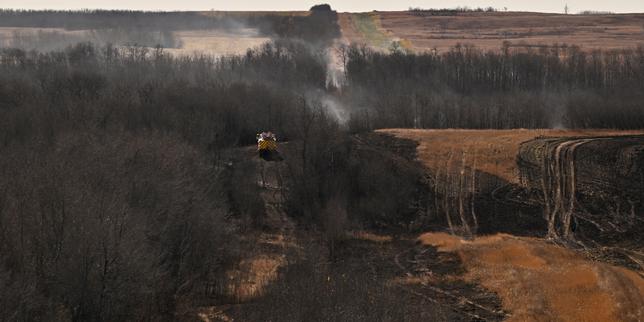
When a headline drops about a military base fire, most people just skim the death toll and move on to the next alert. Honestly, that misses the real story. This wasn't a quiet warehouse fire or a minor range flare-up that got put out in twenty minutes. High winds pushed the flames across dry terrain—Carney noted the fire jumped nearly a kilometre—catching soldiers from the 3rd Battalion, Princess Patricia's Canadian Light Infantry, during Exercise Apollo Shooter.
What Happened During the CFB Wainwright Fire
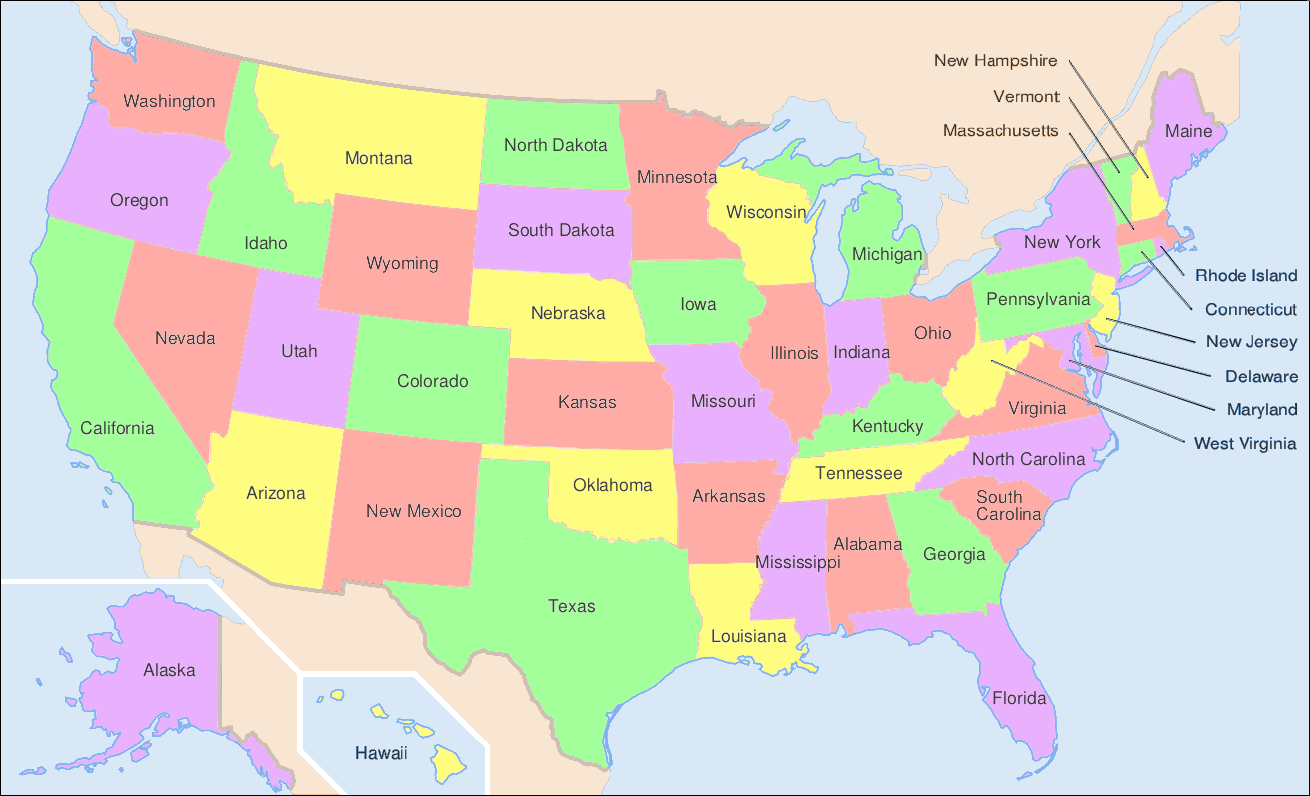
Around 4 p.m. MDT on October 17, soldiers at CFB Wainwright were conducting fire training as part of Exercise Apollo Shooter. According to the Canadian Armed Forces and defence reporting, the blaze started on an automatic grenade launcher range before strong winds fueled its spread.
A live-fire range already carries inherent risk. Add gusting prairie winds and dry brush or grass, and a controlled training exercise can turn into an inferno fast. It's the exact nightmare scenario range safety officers train to avoid, yet it unfolded in real time.
Initially, four soldiers were killed, and dozens of others were injured. Defence officials confirmed the first four fallen troops were:
- Pvt. Shaun Farrell, 23, of Prince Albert, Saskatchewan
- Pvt. Aidan Goulding, 23, of North Vancouver, British Columbia
- Pvt. Hayden Lykkemark, 19, of Langley, British Columbia
- Sgt. Morgan Wong, 26, of Edmonton, Alberta
Then, on November 13, 2026—nearly four weeks after the fire—officials confirmed a fifth death. Private William Douglas Dal Bianco, who also served with the 3rd Battalion, Princess Patricia's Canadian Light Infantry, died in an Ontario hospital from injuries sustained in the October 17 blaze. Twenty-four injured soldiers remained hospitalized as of mid-November.
Why Peacetime Training Accidents Hit So Hard
People outside the military sometimes assume that training on a domestic base is practically risk-free. It isn't. Live munitions, heavy vehicles, explosives, and unpredictable weather combine to create hazards that look a lot like combat conditions.
When soldiers die overseas on an active mission, the public expects danger, even if it still hurts. When five service members die during routine readiness training in Alberta, it feels different. It feels preventable, or at least it forces a hard look at whether every safety buffer held.
Mark Carney's Response and National Mourning
Speaking from Ottawa on October 18—the day after the fire—Prime Minister Mark Carney addressed a shaken country and declared that the nation was in mourning. He ordered flags lowered to half-mast and called the incident one of the worst peacetime tragedies for Canada's military on domestic soil.
Following Private Dal Bianco's death in November, Carney returned to the core theme of his message: these were young people training to defend Canada who put the safety and future of their fellow citizens ahead of their own.
Political leaders often reach for big words after a disaster, and sometimes they sound rehearsed. Here, though, the scale of the injuries—dozens hurt, with 24 still hospitalized weeks later—kept the tragedy front and center well past the initial news cycle. Grief in a case like this doesn't end when the smoke clears. It drags on through surgeries, burn recovery, rehab, and funerals across multiple provinces.
Civilian Hospitals and Military Care
One detail that doesn't get enough attention in quick news summaries is how heavily the Canadian Armed Forces relies on provincial and civilian healthcare systems during major emergencies. Brigadier-General Vanessa Hanrahan, Canadian Forces Provost Marshal, highlighted that partnership in late October, noting how essential civilian hospitals—including specialized burn care—were in treating the injured soldiers.
That's a practical reality of modern defence logistics. Even a large base doesn't keep a massive specialized burn center sitting idle for rare mass-casualty events. When dozens of troops suffer severe injuries at once, civilian trauma and burn teams become part of the frontline response.
Investigations and What Comes Next
Two separate tracks are examining what went wrong at Wainwright. Military police launched an investigation into the fire, while a separate military board of inquiry was set up to look closely at the circumstances and recommend changes to prevent a repeat.
Let's be real: boards of inquiry move methodically, not overnight. Developing terms of reference, interviewing witnesses, reviewing weather logs, examining range protocols, and analyzing munition behavior takes time. Anyone expecting a complete root-cause verdict in 48 hours isn't being realistic about how serious investigations work.
At the same time, there's tension in how the military carries on. The 3rd Battalion, Princess Patricia's Canadian Light Infantry, still has operational readiness obligations and future deployments to prepare for. Balancing grief, trauma support, and ongoing training requirements is tough leadership work. You can't just hit pause on national readiness forever, yet pushing troops back onto ranges without addressing psychological shock or safety questions would be a mistake.
Common Misconceptions About Base Fires
A few assumptions tend to pop up right after a story like this breaks, and they're worth clearing up:
- It was just a small brush fire: A blaze that jumps nearly a kilometre and leaves five dead plus dozens injured is a major catastrophic event, not a minor grass fire.
- The toll stopped at four: Four deaths were announced immediately after the October 17 incident, but Private Dal Bianco's passing on November 13 brought the known death toll to five, with 24 soldiers still in hospital.
- One probe covers everything: Military police investigations and military boards of inquiry serve different purposes—one looks into potential criminal or regulatory violations and facts on the ground, while the board of inquiry focuses on systemic lessons and prevention.
How to Follow Updates and Support Affected Families
If you want accurate information as the investigations move forward, stick to primary and established defence sources rather than social media rumors. Official updates from the Department of National Defence, major national outlets like CBC News and AP News, and specialist publications like Canadian Defence Review offer the clearest verified details.
If you're looking for concrete ways to help right now, focus on verified military and veteran support channels rather than unvetted online fundraisers. You can check official CAF and military family support resources through the Department of National Defence or look into established organizations supporting injured service members and their families—and if you're a veteran, serving member, or family member dealing with distress after the tragedy, reach out early to military family resource centers or health services instead of trying to tough it out alone.