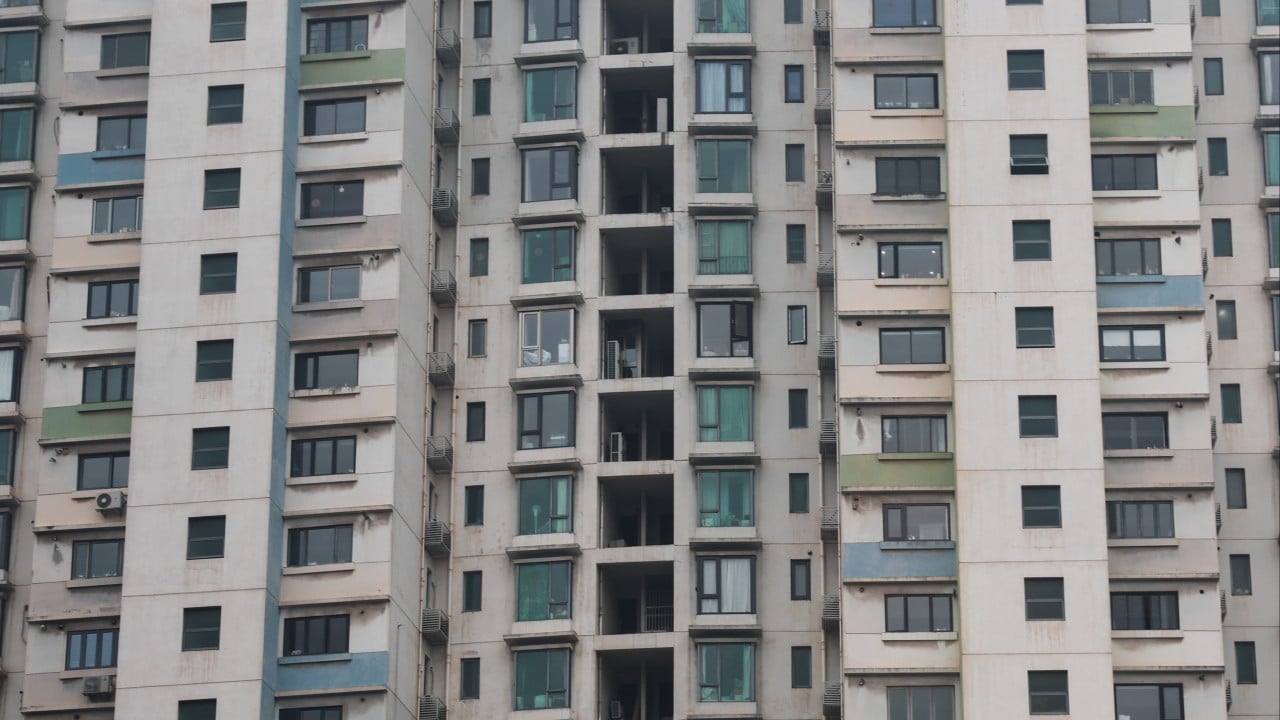
Don't be fooled by the national headlines shouting about China's endless real estate crisis. If you look closer, a massive divergence is splitting the market in two.
In China's elite first-tier megacities—Beijing, Shanghai, Guangzhou, and Shenzhen—the housing market is flashing signs of life. According to June 2026 data released by the National Bureau of Statistics, second-hand home prices in these top-tier hubs rose by 0.3% month-on-month. That's the fourth consecutive month of gains. New home prices in these same cities also ticked up by 0.1%.
But outside this exclusive club? It's a completely different story. The modest stabilization in the wealthiest metros is failing to spark a broader national recovery. Understanding what's actually driving this split is crucial if you want to make sense of where China's economy is heading.
The Secret Behind the First Tier Rebound
The four-month upward trend in first-tier cities didn't happen by accident. It's the direct result of aggressive, targeted policy interventions meant to restore liquidity to the country's most valuable real estate.
For years, Beijing, Shanghai, Guangzhou, and Shenzhen maintained strict purchase restrictions to prevent speculation. Since late 2025 and early 2026, local governments have systematically dismantled these barriers. They slashed down-payment requirements, lowered mortgage rates, and opened up buying eligibility to non-registered residents and families wanting a second home.
Look at Shanghai. It's the undisputed MVP of this recovery. New home prices in Shanghai jumped 3.1% year-on-year in June, standing out as the only major city to post annual gains. Local measures like the "Shanghai Seven Measures" shortened social security requirements for buyers and bumped up loan limits. Wealthy buyers and tech elites have jumped back into the market, driving a mini-boom in luxury properties.
Even in the second-hand market, transaction volumes have surged. Home buyers are realizing that while the days of explosive price growth are over, these top-tier economic powerhouses still offer the safest store of value in the country.
Why the Rest of China is Left Behind
While first-tier cities enjoy a localized stabilization, smaller second- and third-tier cities are still mired in a brutal inventory glut.
Fitch Ratings recently downgraded its outlook for the country's overall housing market, forecasting that national new home sales will contract by 11% to 13% across 2026. Why the pessimism when Shanghai is booming?
Because first-tier cities only account for roughly 16% of nationwide sales. The remaining 84% of the market is dragging the average down. In smaller provincial cities, developers are sitting on mountains of unfinished or unsold complexes. Local governments there have tried offering cash subsidies and buying back empty units, but they don't have the deep pockets of Beijing or Shanghai. High unemployment and a weak job market mean regular consumers in these smaller hubs are simply refusing to take on debt. They are choosing to rent, save, or wait for prices to drop even lower.
What This Means for Buyers and Investors
If you're watching this market, you need to abandon the idea of a uniform "China property market." It doesn't exist anymore. Instead, expect a permanent state of divergence.
First, prime markets in first-tier cities will likely remain stable or experience mild, single-digit growth over the coming months, propped up by steady demand from high-net-worth individuals. If you're looking for stability, this is where it lives.
Second, the secondary (second-hand) market will continue to outperform new builds. Buyers are deeply skeptical of developers' financial health and prefer to buy existing, completed homes rather than risk paying for an unfinished project.
Finally, don't expect a massive, nationwide bazooka stimulus from Beijing. The central government is wary of reinflating the debt bubble and is currently prioritizing manufacturing and exports to keep the economy going. Localized, surgical easing is the play for the foreseeable future.
If you are looking to enter this market, the smart move is to ignore nationwide averages. Focus entirely on specific district-level data in Shanghai, Shenzhen, and Beijing, where the localized wealth effect keeps demand resilient.
China's Property Market Recovery Analysis provides further context on the broader economic challenges facing the property sector.

