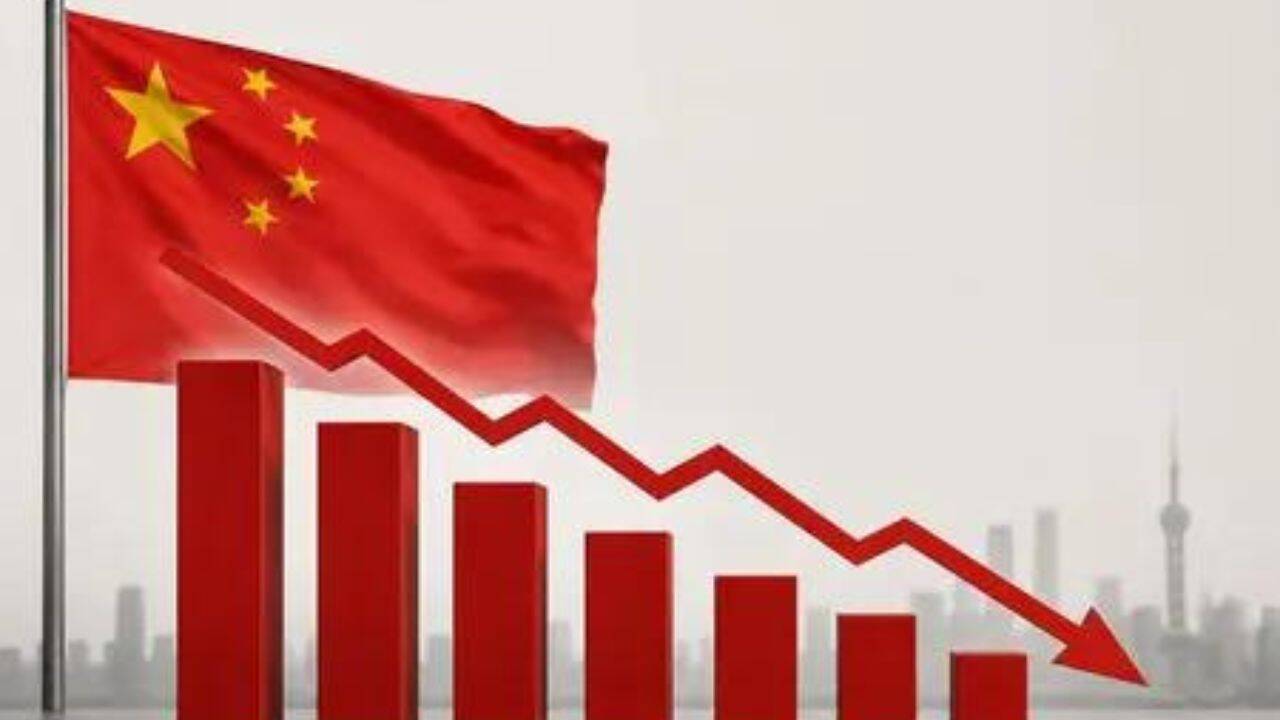
Look at headline GDP numbers and you might think China's economy is humming along just fine. Third-quarter growth came in at 4.5% year-on-year, beating pessimistic forecasts. Factory output is expanding, and the global appetite for high-end tech seems insatiable.
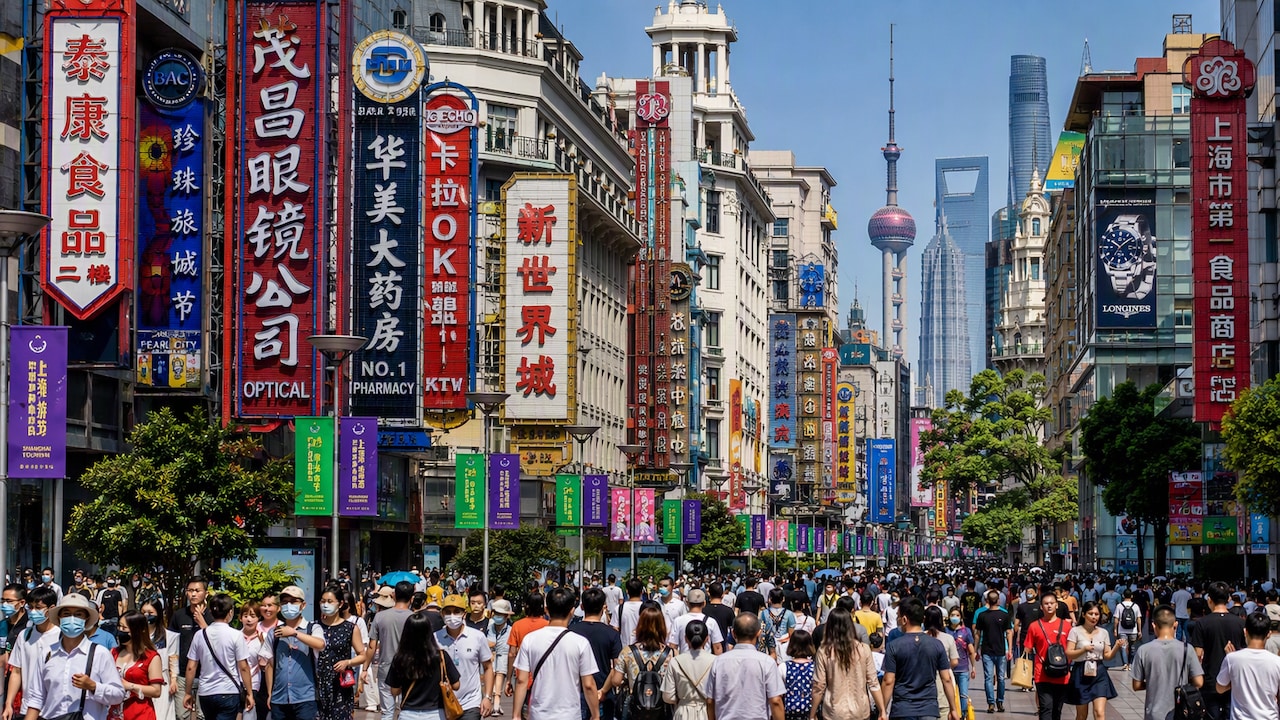
Step outside the high-tech industrial parks, however, and you see an entirely different story.
China is currently running a massive two-speed economy. On one side, an unprecedented global craze for artificial intelligence infrastructure, semiconductors, and clean energy tech is driving an export explosion. On the other side, domestic consumer spending is stuck in the mud, suffocated by a years-long property downturn and widespread job market anxiety.
The Anatomy Of The AI Export Surge
The numbers behind the technology boom are staggering. High-tech and intelligent manufacturing now account for more than half of industrial production growth. Global demand for servers, specialized industrial machinery, and advanced components has turned external trade into a primary life raft for the broader economy.
Why is this happening now? The worldwide scramble to build out data centers, train massive language models, and secure reliable clean-energy hardware has placed Chinese manufacturers at the center of global supply chains. When overseas buyers need chips, automated data processing gear, and electrical batteries, they buy from factories that can scale at lightning speed.
This export engine pulled overall economic momentum out of a second-quarter dip. Without this overseas tech appetite, headline figures would look grim.
Why Domestic Consumers Are Sitting On Their Wallets
The danger with an export-only growth model is simple: it doesn't feed the average household.
Property values continue to fall, and investment in real estate remains deep in the red. Because millions of families tied their life savings into real estate, sliding property prices have crushed household wealth. Add in a tight job market for recent graduates and flat wage growth, and you get a population that is terrified to spend money.
Retail sales and domestic orders regularly miss expectations. Traditional industries that rely entirely on local shoppers are struggling to survive. High-tech manufacturing is capital-intensive rather than labor-intensive, meaning it creates fewer direct jobs for everyday workers and funnels less money straight back into local consumer pockets.
When household consumption sits at a fraction of Western levels while industrial output soars, you end up with an awkward paradox: a trillion-dollar trade surplus paired with weak local demand.
What This Means For The Road Ahead
Beijing faces a tough balancing act. Policymakers are directing cheap credit into advanced technology and infrastructure while offering selective support to homebuyers, but massive, broad-based stimulus packages remain off the table. The official strategy favors supply-side manufacturing dominance over direct consumer handouts.
This means the global economy will keep absorbing a flood of Chinese manufactured goods. It also means trade tensions with the United States and Europe will intensify as foreign competitors push back against overcapacity.
If global AI infrastructure spending holds up, China will likely hit its annual growth targets. But until the domestic property market bottoms out and everyday citizens feel confident enough to open their wallets, the world's second-largest economy will remain vulnerable to any sudden cooling in foreign tech demand.