If you try to book a last-minute flight from Seoul to Shanghai right now, you will probably choke on the ticket price. Demand is through the roof. Travelers are packing airport terminals, and airlines simply haven't had the capacity to handle them.
The aviation bottlenecks between these two major neighbors are finally breaking. South Korea and China just agreed to an expansion of weekly flight rights for the first time in seven years. It is a massive shift. This bilateral decision will directly lower your travel costs and open up routes that used to be a logistical nightmare.
The agreement, hammered out during intense talks in Seoul, adds dozens of new weekly flights to the grid. It handles both passenger planes and cargo transport. If you plan to travel around East Asia, this is the news you should care about.
What the Air Traffic Expansion Looks Like
Let's look at the numbers. The deal raises the cap on passenger flight rights by 56 weekly flights. This pushes the total from 608 up to 664. Cargo flights get a lift too, jumping from 54 to 68 weekly trips.
This isn't just about adding a few seats. It is about unlocking frozen routes. Popular routes like Incheon to Shanghai and Incheon to Guangzhou have been completely maxed out for months. Airlines couldn't add flights even if they wanted to because of outdated bilateral limits. Now, those caps are gone.
Data from the first quarter reveals that passenger traffic between South Korea and China hit 4.39 million. That completely blows past the pre-pandemic benchmark of 4.14 million from years ago. People want to travel, and the infrastructure is finally catching up.
Why You Will Benefit From More Regional Routes
The smartest part of this update isn't happening in Seoul or Beijing. It is happening in the regional hubs. If you don't live right next to a capital city, you know how annoying layovers can be. This deal fixes that.
New flight rights are specifically targeting regional South Korean airports like Busan and Cheongju. These smaller hubs will connect directly to 10 different Chinese cities. We are talking about major economic and cultural points like Chengdu, Chongqing, Shenzhen, and Xi'an.
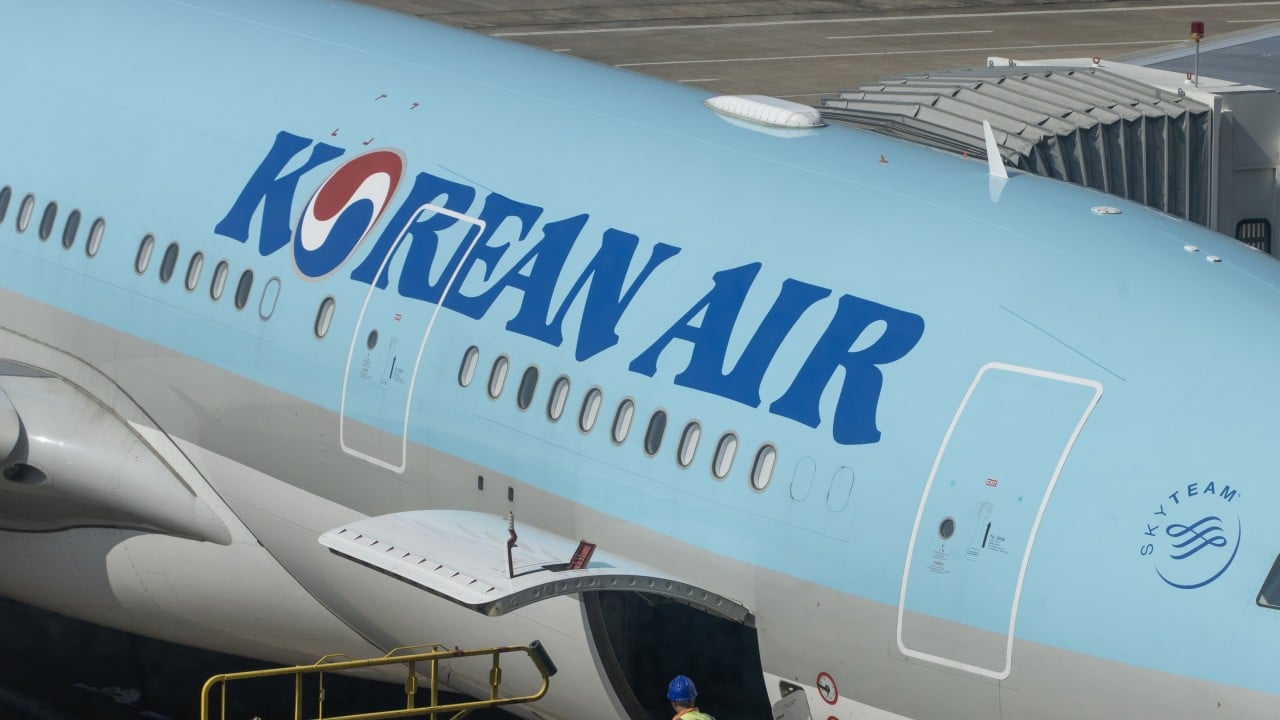
Imagine skipping the chaotic lines at Incheon entirely. You can fly straight out of Busan to check out the pandas or eat hotpot in Chengdu. For budget travelers, regional routes mean cheaper airport fees and less spent on trains to capital hubs. Korean Air and regional low-cost carriers are already scheming to grab these slots for the second half of the year.
The Economics Behind the Flying Boom
This isn't just a win for vacationers looking for a quick getaway. It is a huge relief for businesses. The 14 additional weekly cargo flights will head straight to specialized logistics cities like Ezhou and Hefei.
If you buy things online, you know how supply chain hiccups mess up delivery times. Faster, more frequent cargo routes mean less warehouse waiting time. South Korea's transport ministry explicitly noted that this deal helps import-export firms get their products moving without paying extortionate air freight premiums.
More flights naturally lead to price wars. When airlines compete for your business on the same route, ticket prices drop. Load factors on flights to China have been hovering around 88 percent. That means planes are crowded. More planes in the air mean you might actually get an empty middle seat on your next flight.
Planning Your Next Steps
Stop waiting for prices to magically drop on old routes. The South Korean government plans to officially distribute these new flying slots to domestic airlines before winter.
Keep an eye on regional carriers for flash sales. Look for new direct routes launching out of Busan or Cheongju if you want to avoid the crowds. Check your visa requirements early since China has been testing various visa-free entry programs for neighbors, making spontaneous weekend trips much easier than before. Set up flight alerts for Shanghai and Guangzhou now to catch the price drops the second these new planes hit the tarmac.