The global maritime supply chain depends on a network of narrow marine corridors, but treating these chokepoints as interchangeable alternatives is a fundamental misunderstanding of maritime logistics. Comparing the Strait of Malacca and the Strait of Hormuz as competing routes for global shipping conflates two entirely different macroeconomic functions. The Strait of Hormuz is a primary export valve for hydrocarbon extraction; the Strait of Malacca is a high-volume transit conduit connecting the Indian and Pacific Oceans. Shipping companies do not choose between them based on ease of navigation. They are bound by the rigid geography of resource origins and consumer destinations.
An analysis of maritime chokepoints requires evaluating three distinct vectors: structural geography, resource dependency asymmetric risks, and the economic friction of rerouting.
The Structural Geography of Two Distinct Corridors
The physical dimensions and geographic placement of a strait dictate its operational capacity and vulnerability.
The Strait of Hormuz represents a localized chokepoint. It connects the Persian Gulf to the Gulf of Oman and the Arabian Sea. At its narrowest point, the shipping lanes consist of two two-mile-wide channels for inbound and outbound traffic, separated by a two-mile buffer zone. Because it is the sole maritime exit for the oil-producing nations of the Persian Gulf, its traffic is highly specialized, consisting primarily of Very Large Crude Carriers (VLCCs) and Liquefied Natural Gas (LNG) tankers.
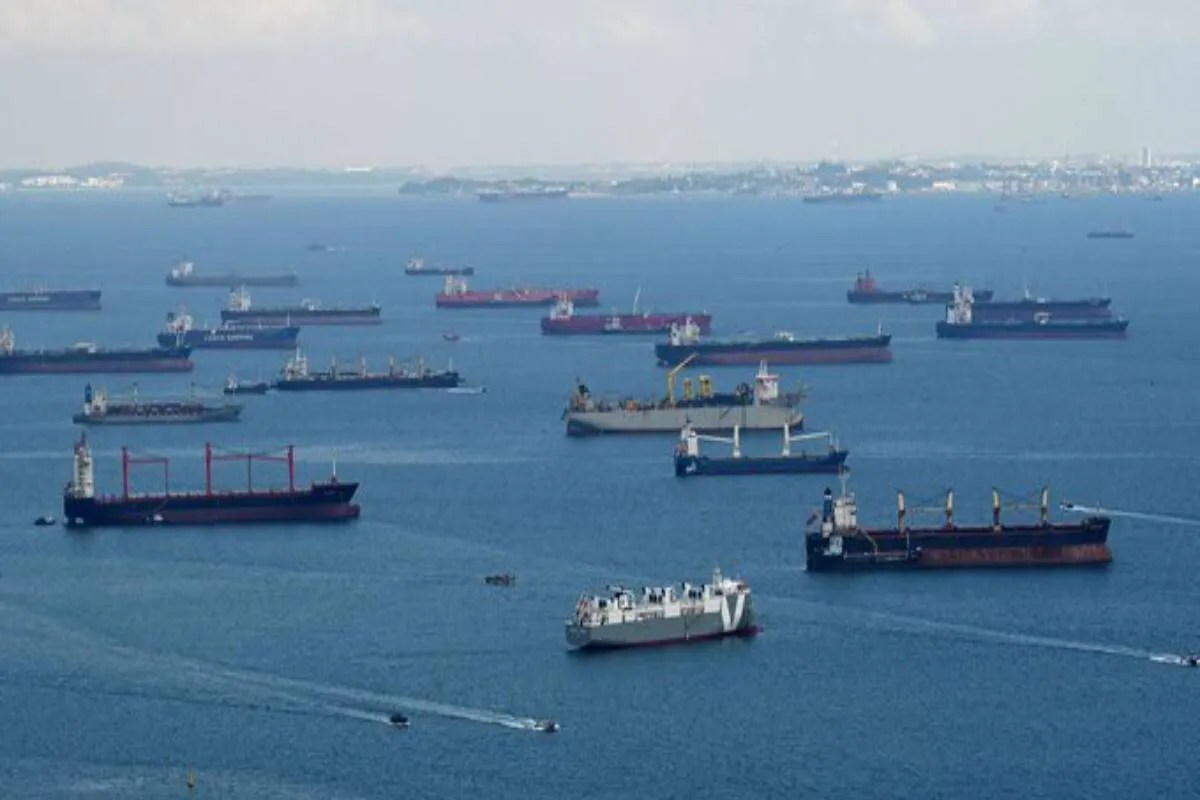
The Strait of Malacca spans approximately 550 miles between the Malay Peninsula and the Indonesian island of Sumatra. It serves as the primary economic artery linking the Indian Ocean to the South China Sea. At its narrowest bottleneck—the Phillips Channel in the Singapore Strait—the navigable lane shrinks to 1.7 miles. This creates a severe structural density issue. Malacca handles more than double the daily vessel volume of Hormuz, accommodating a diverse mix of container ships, dry bulk carriers, and tankers.
Hydrocarbon Dependence vs Global Supply Chain Integration
The strategic value of Hormuz is defined by commodity concentration. Approximately 20 to 30 percent of the world's total consumption of liquid petroleum transits the strait daily. This creates a binary vulnerability: if the strait is compromised, global energy markets experience an immediate supply shock.
Malacca represents a broader systemic dependency. It is the economic bridge for industrialized East Asia, carrying raw materials, iron ore, and crude oil inbound to China, Japan, and South Korea, while carrying manufactured goods outbound to European, African, and Middle Eastern markets.
The fundamental difference lies in the economic nature of the cargo:
- Hormuz is vulnerable to supply-side energy shocks.
- Malacca is vulnerable to systemic manufacturing and component supply-chain collapse.
The Cost Function of Alternative Routes
When a chokepoint faces disruption, maritime operators calculate alternative routes through a rigid cost function determined by days at sea, fuel consumption, insurance premiums, and charter rates. The assumption that Malacca can act as a relief valve for a disrupted Hormuz stems from a basic failure to plot coordinates on a map.
The Realities of a Hormuz Disruption
If the Strait of Hormuz closes, ships cannot simply divert to Malacca because the oil is trapped inside the Persian Gulf. The only true alternatives to Hormuz are overland pipelines, which have strict capacity limitations.
The East-West Pipeline across Saudi Arabia and the Abu Dhabi Crude Oil Pipeline can divert a fraction of the total volume to the Red Sea or the Gulf of Oman, but millions of barrels per day remain stranded. Any oil that does successfully bypass Hormuz via Saudi Arabia and heads toward Asia will eventually pass through the Strait of Malacca anyway. The two straits operate in series, not in parallel, for Middle Eastern energy exports destined for Asia.
The Realities of a Malacca Disruption
If the Strait of Malacca becomes impassable due to geopolitical conflict or physical blockades, the economic friction radiates across the globe. Unlike Hormuz, physical maritime detours exist for Malacca, though they introduce significant operational penalties:
- The Sunda Strait: Located between Java and Sumatra, this route adds roughly one to three days of transit time but features treacherous shallows and strong tidal currents, rendering it unsuitable for fully laden VLCCs.
- The Lombok Strait: Passing between Bali and Lombok, this deep-water channel accommodates the largest vessels but adds three to five days of transit time for ships traveling from the Indian Ocean to Northeast Asia.
- The Cape of Good Hope: For Europe-to-Asia routes, bypassing Malacca entirely by sailing around Africa eliminates the use of the Suez Canal, adding up to 10 to 14 days of transit and increasing fuel costs by hundreds of thousands of dollars per voyage.
Asymmetric Security Risks and Legal Frameworks
The operational security environments of these two waterways differ fundamentally in the nature of their threats and the legal jurisdictions governing them.
Hormuz: State-Sponsored Interdiction and Sovereign Friction
The primary risk profile in the Strait of Hormuz is state-sponsored geopolitical friction. The shipping lanes lie within the territorial waters of Iran and Oman. Under the United Nations Convention on the Law of the Sea (UNCLOS), foreign vessels enjoy the right of transit passage. However, geopolitical tensions frequently result in the deployment of naval mines, drone strikes, and the physical seizure of commercial tankers by state forces.
The vulnerability here is acute, sudden, and highly politicized. Insurance underwriters respond to Hormuz crises by implementing War Risk Additional Premiums, which can spike the cost of a single transit by hundreds of thousands of dollars within 48 hours.
Malacca: Non-State Threats and Constrained Sovereign Cooperation
The Strait of Malacca is defined by non-state security threats, primarily piracy, armed robbery at sea, and navigational congestion. The littoral states—Singapore, Malaysia, and Indonesia—have historically resisted large-scale foreign military patrols within their waters, viewing them as infringements on sovereignty.
Instead, they operate coordinated mechanisms like the Malacca Straits Patrols (MSP) to mitigate piracy. While piracy adds operational friction and forces shipping lines to invest in private security details or non-lethal defense systems, it rarely threatens to halt total maritime traffic in the way a state-level military blockade at Hormuz would.
The greater operational hazard in Malacca is physical collision. The extreme density of traffic, combined with changing weather patterns and unpredictable currents, makes it one of the most navigationally challenging environments in the world. A major collision that sinks a mega-container vessel in a narrow channel could create a temporary physical bottleneck, halting traffic while salvage operations occur.
Infrastructure Realities Over Shifting Geopolitics
A critical limitation in shifting global shipping patterns is the presence of specialized port infrastructure. A ship cannot simply change its route; it must land at a port capable of handling its specific cargo.
The Strait of Malacca is anchored by the Port of Singapore and the expanding ports along the Malaysian coast, such as Port Klang and Tanjung Pelepas. These ports represent the pinnacle of transshipment infrastructure, capable of managing millions of Twenty-Foot Equivalent Units (TEUs) annually, refuelling thousands of ships, and providing sophisticated maritime logistics services.
The Persian Gulf ports behind the Hormuz chokepoint are optimized almost exclusively for the high-speed loading of bulk liquid hydrocarbons or the import of finished goods for domestic consumption. They lack the transshipment architecture to serve as global cargo hubs for traffic that does not originate in or terminate within the region.
The Strategic Playbook for Maritime Risk Mitigation
Relying on the hope that one strait can substitute for another is an operational failure. Diversification requires concrete infrastructure investments and structural changes to supply chains.
- Inventory Decentralization: Corporations must move away from just-in-time inventory models for components passing through the Malacca Strait. Establishing regional storage hubs in both the Indian Ocean basin and the Western Pacific creates a buffer against short-term chokepoint closures.
- Pipeline and Overland Corridors: For energy security, East Asian economies must continue funding overland energy infrastructure, such as Central Asian gas pipelines and Russian oil links, to structurally reduce their Malacca dependency metrics.
- Alternative Maritime Corridors: Shipping consortiums must map out clear, pre-vetted operational protocols for diverting mega-vessels through the Lombok Strait. This includes securing contracts with deep-water salvage operators and specialized bunkering services along the alternative Indonesian corridors to ensure that if a Malacca shutdown occurs, fleet rerouting happens instantly without administrative delays.