We treat citizenship like a diamond. Permanent. Unbreakable. Something granted by a benevolent state that, once slipped onto your finger, can never be removed no matter how aggressively you burn down the house that gave it to you.
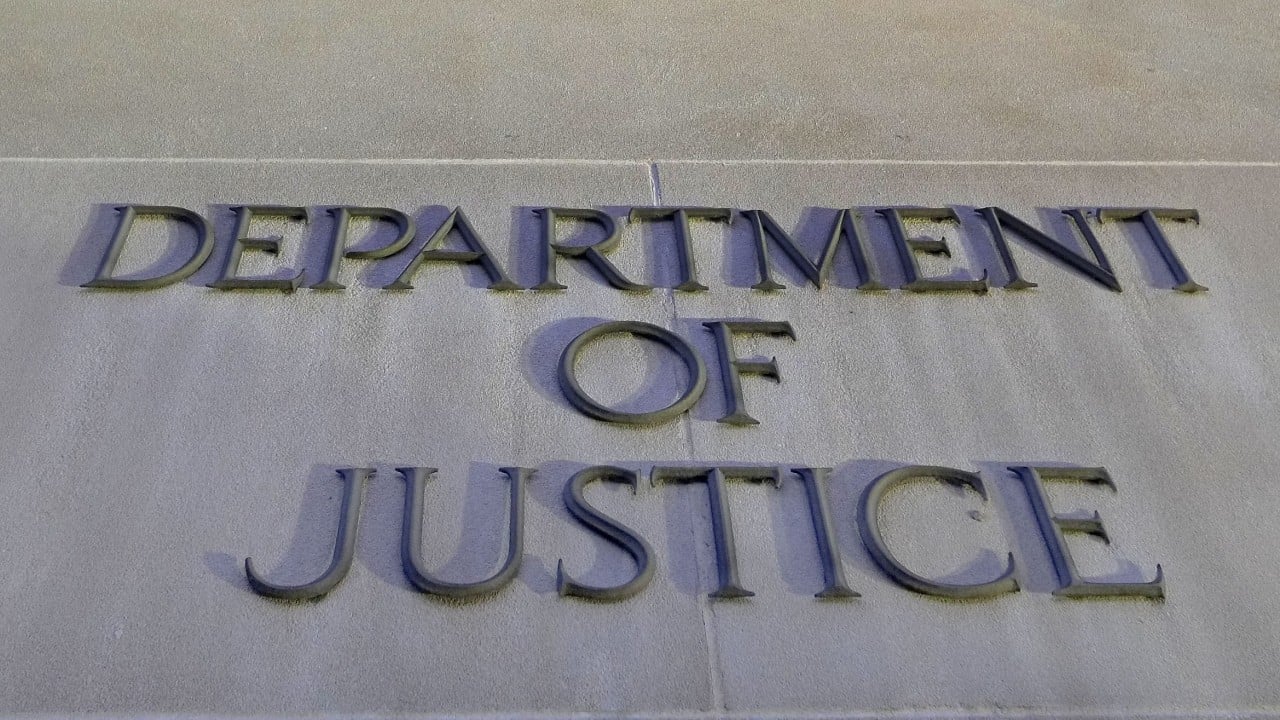
When headlines break about the Department of Justice targeting foreign-born men with denaturalization proceedings over Beijing-linked operations, the standard moral panic follows. Civil liberties groups scream about overreach. Pundits warn of a slippery slope. The lazy consensus frames naturalized citizenship as an absolute moral equivalence to birthright citizenship, arguing that stripping papers from convicted felons is an assault on immigrant communities.
That is entirely backwards.
Naturalization is a contract. It is a legal, conditional agreement between a sovereign nation and an immigrant. The state offers protection, rights, and a passport. In exchange, the applicant swears an oath of allegiance, promising to support the Constitution and bear true faith and allegiance to the same.
When someone lies on their naturalization application, conceals foreign government affiliations, or acts as an agent of a hostile foreign power to subvert domestic institutions, they have materially breached that contract. They committed fraud at the gateway.
Treating denaturalization as an extraordinary, almost unthinkable remedy ignores how immigration systems operate globally. Every major nation reserves the right to revoke citizenship acquired through misrepresentation or severe betrayal. If a corporate executive lies on their resume to secure the CEO position and is later caught embezzling funds, nobody argues that firing them violates the sacred sanctity of employment. Yet when the stakes involve national security, geopolitics, and espionage, we suddenly suffer from collective amnesia about basic contractual accountability.
The narrative pushed by institutional commentators relies on a false binary: that criticizing how citizenship is protected equals xenophobia. That is a shield used to deflect scrutiny. We are not talking about administrative paperwork errors or minor tax discrepancies. We are talking about individuals who weaponized the privileges of an open democratic society to advance the strategic interests of an authoritarian regime targeting dissidents, orchestrating transnational repression, and stealing intellectual property.
If you abuse the instrument of naturalization to wage covert warfare on behalf of a foreign dictatorship, you have rejected the very premise of citizenship.
Let us be honest about why this makes people uncomfortable. It forces us to confront the vulnerability of open societies. Western legal systems were built on trust. They assumed that once someone passed through the bureaucratic gate, took the oath, and received a blue passport, they were part
Citizenship Stripping is a Legal Weapon of Mass Destruction
news
Strip someone of their passport and you do not solve a national security crisis. You merely outsource accountability to a bureaucratic shredder.
The standard media narrative surrounding the United States moving to revoke the citizenship of naturalized individuals convicted in Beijing-linked espionage or transnational repression cases frames this as a righteous housecleaning. Good riddance to bad rubbish, goes the chorus. Protect the republic from foreign subversion by tearing up the naturalization papers of anyone who repays America's hospitality with state-sponsored espionage.
It sounds clean. It sounds patriotic. It is also an intellectual fraud that will backfire on every single person who believes citizenship is a permanent contract rather than a probationary permit.
I have spent decades watching governments panic-legislate, inventing sharp tools that inevitably dull into bludgeons for whichever political faction holds power tomorrow. When you treat citizenship as a revocable privilege rather than an unassailable baseline status, you dismantle the very foundation of the American social contract. You create a two-tier caste system where the native-born possess an inalienable right to exist under the flag, while the naturalized hold a conditional guest pass stamped with an expiration date tied to political compliance.
Let us look at the mechanics of denaturalization. Stripping citizenship requires a federal civil or criminal proceeding to prove that the original naturalization was procured by concealment of a material fact or willful misrepresentation. Prosecutors dust off decades-old immigration paperwork to find a discrepancy—an omitted organization membership, a masked connection to a foreign entity, a fib on a green card application from twenty-five years ago—and use that technicality to erase a life.
If a naturalized citizen commits espionage, bribery, or illegal lobbying on behalf of a foreign power, the existing penal code offers a comprehensive toolkit. You try them, you convict them, and you lock them away in a maximum-security federal penitentiary for the rest of their natural days. That is how a sovereign state handles traitors. You hold them accountable inside your own borders under your own laws.
Denaturalization is not a tougher penalty. It is an administrative coward's escape hatch. It is a way for the state to wash its hands of a domestic failure by pushing the problem offshore, deporting the offender to a country that may or may not want them, or leaving them in a legal limbo that mocks the concept of due process.
The lazy consensus argues that if you lie on your citizenship application, you never truly belonged here anyway. That argument relies on a child's understanding of immigration bureaucracy. Walk through the naturalization process for any high-skilled immigrant from a complex geopolitical adversary—whether China, Russia, Iran, or anywhere else on the current threat matrix—and you will find a labyrinth of bureaucratic trivia where omission is easy and absolute transparency is a fiction. People hedge. They downplay old ties to foreign state universities, state-owned enterprises, or party-affiliated alumni associations because they know the immigration system operates on suspicion rather than reason.
When the state decides to target someone for espionage or foreign influence operations, the denaturalization clause becomes a rubber-stamp retroactive trap. It lets the Department of Justice bypass the messier hurdles of proving a sophisticated conspiracy by simply proving that the defendant failed to list a minor bureaucratic affiliation on a form filled out in 1998.
The geopolitical implications are even worse. By weaponizing denaturalization against immigrants from specific adversarial nations, Washington validates every paranoid claim made by foreign propaganda apparatuses. Beijing tells its diaspora that the West will never truly accept them as equals, that their loyalty will always be doubted, and that the moment relations sour, they will be treated as fifth columnists. When the United States starts ripping up passports en masse based on political winds, it proves Beijing's propaganda department right.
Furthermore, this strategy creates a perverse incentive structure. If naturalized citizens know their status is perpetually contingent on maintaining political irreproachable purity—defined by whatever administration happens to be in power—they do not become better citizens. They become terrified, insular, and silent. They stop engaging in lawful cross-border academic, cultural, and commercial exchanges out of fear that a future prosecutor will recharacterize those interactions as a pattern of foreign influence. You do not secure a nation by cultivating a climate of internal terror among millions of law-abiding citizens who happen to share an ethnic background with a geopolitical rival.
True national security requires clear lines, harsh punishments for actual crimes, and absolute confidence in the permanence of legal status. The moment you start drawing asterisks next to a passport based on where someone was born, you stop defending the republic and start imitating the very authoritarian systems you claim to oppose.
A passport is not a lease. Once you turn it into a subscription model, nobody is safe.