Medical interventions involving geriatric populations require a strict calculus between physiological reserve, surgical trauma, and baseline comorbidity burden. When structural anomalies or neoplasias emerge within pulmonary parenchyma in elderly cohorts, the decision framework shifts from standard oncological urgency to complex risk stratification. The announcement that Pope Leo faces a surgical procedure for a small pulmonary growth forces an analytical examination of geriatric thoracic surgery, focusing on pulmonary mechanics, metabolic cost functions, and perioperative risk variables.
To evaluate any thoracic intervention, one must deconstruct the operational constraints of the human respiratory system. The lung is not merely an air exchange organ; it is a complex pressure-vessel network governed by compliance, resistance, and diffusion capacity.
The Pulmonary Mechanics Framework
The primary variable in any lung resection is the preservation of functional residual capacity and forced expiratory volume in one second. In older adults, physiological aging naturally introduces specific structural modifications:
- Elastic Recoil Reduction: Alveolar septa degrade over time, diminishing the elastic recoil of the lung tissue. This leads to an increase in residual volume and functional residual capacity.
- Chest Wall Stiffness: Calcification of the costal cartilages and alterations in intercostal muscle architecture decrease the overall compliance of the thoracic cage, raising the metabolic cost of breathing.
- Diffusion Impairment: Surface area for gas exchange decreases progressively, narrowing the margin of safety when pulmonary parenchyma is surgically reduced.
When a localized growth necessitates resection—whether wedge resection, segmentectomy, or lobectomy—the immediate consequence is a localized loss of functioning units. The remaining lung must expand to fill the hemithorax, and the capillary bed must handle the entire cardiac output without inducing pulmonary hypertension.
The Surgical Decision Matrix
Evaluating a pulmonary intervention in an elderly individual involves balancing three competing variables: local tumor control or diagnostic certainty, preservation of cardiopulmonary reserve, and the systemic inflammatory response of surgery.
[Diagnostic Uncertainty / Lesion Identification]
                       │
                       ▼
[Cardiopulmonary Reserve Stratification]
  ├── Forced Expiratory Volume (FEV1)
  ├── Diffusing Capacity of the Lungs for Carbon Monoxide (DLCO)
  └── Cardiopulmonary Exercise Testing (CPET)
                       │
                       ▼
[Surgical Approach Selection]
  ├── Minimally Invasive Video-Assisted Thoracoscopic Surgery (VATS)
  ├── Robotic-Assisted Thoracic Surgery (RATS)
  └── Open Thoracotomy (Reserved for complex access requirements)
The gold standard for localized pulmonary anomalies has shifted aggressively toward sublobar resections—specifically anatomic segmentectomies or wedge resections—when oncologically sound. Minimizing parenchymal loss preserves baseline ventilatory mechanics, directly reducing postoperative intensive care length of stay and systemic complications such as pneumonia or respiratory failure.
Metabolic Cost Functions and Perioperative Vulnerability
Major surgery induces a systemic inflammatory response syndrome characterized by the release of pro-inflammatory cytokines, activation of the coagulation cascade, and a hypermetabolic state. For a geriatric patient, this metabolic tax requires robust cardiac output and renal clearance.
The perioperative risk assessment relies heavily on the cardiac-pulmonary interface. Because the pulmonary vascular bed restricts or expands in response to hypoxia and hypercapnia, any reduction in lung volume directly impacts right ventricular afterload. If the remaining pulmonary capillary network is restricted by underlying emphysema or microvascular disease, the right ventricle faces acute pressure overload, increasing the probability of perioperative arrhythmias such as atrial fibrillation or right heart strain.
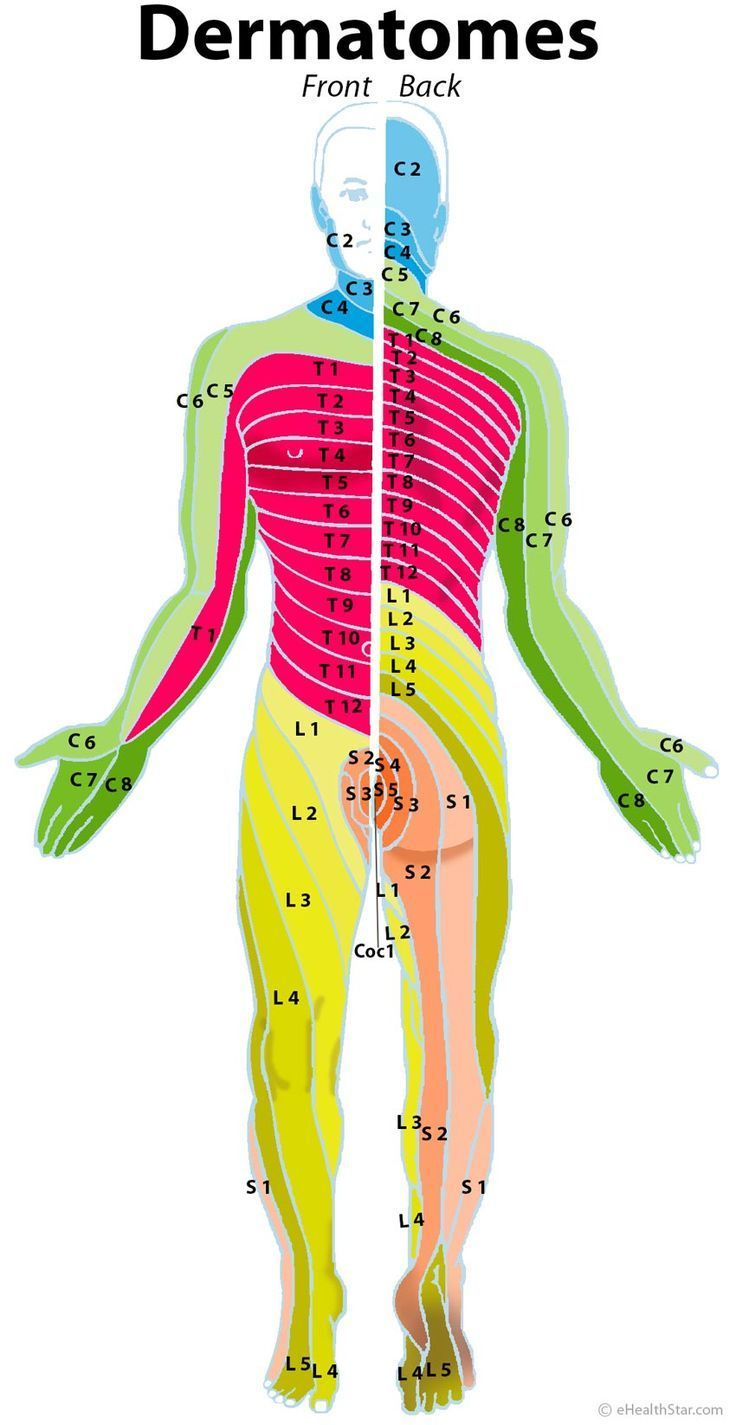
Furthermore, thoracic incisions disrupt the intercostal nerves, causing postoperative pain that inhibits deep inspiration and coughing. In older adults, this mechanical impediment leads directly to micro-atelectasis, secretion retention, and subsequent nosocomial pneumonia. Effective regional anesthesia strategies, such as thoracic epidurals or intercostal nerve blocks, are therefore not merely comfort measures; they are critical functional preservation mechanisms that alter the postoperative mortality curve.
Strategic Trajectory and Post-Intervention Recovery
Successful navigation of pulmonary surgery in high-profile geriatric cases depends on precise preoperative conditioning, intraoperative minimization of tissue trauma, and aggressive postoperative pulmonary hygiene. Minimally invasive approaches limit chest wall trauma, preserving the mechanical integrity of the respiratory pump.
The primary determinant of long-term functional recovery is not the baseline age of the patient, but the biological reserve of their organ systems. By isolating variables such as diffusion capacity, cardiac ejection fraction, and baseline nutritional status, clinical teams can accurately project recovery timelines and mitigate the systemic vulnerabilities inherent to thoracic surgery in aging cohorts.