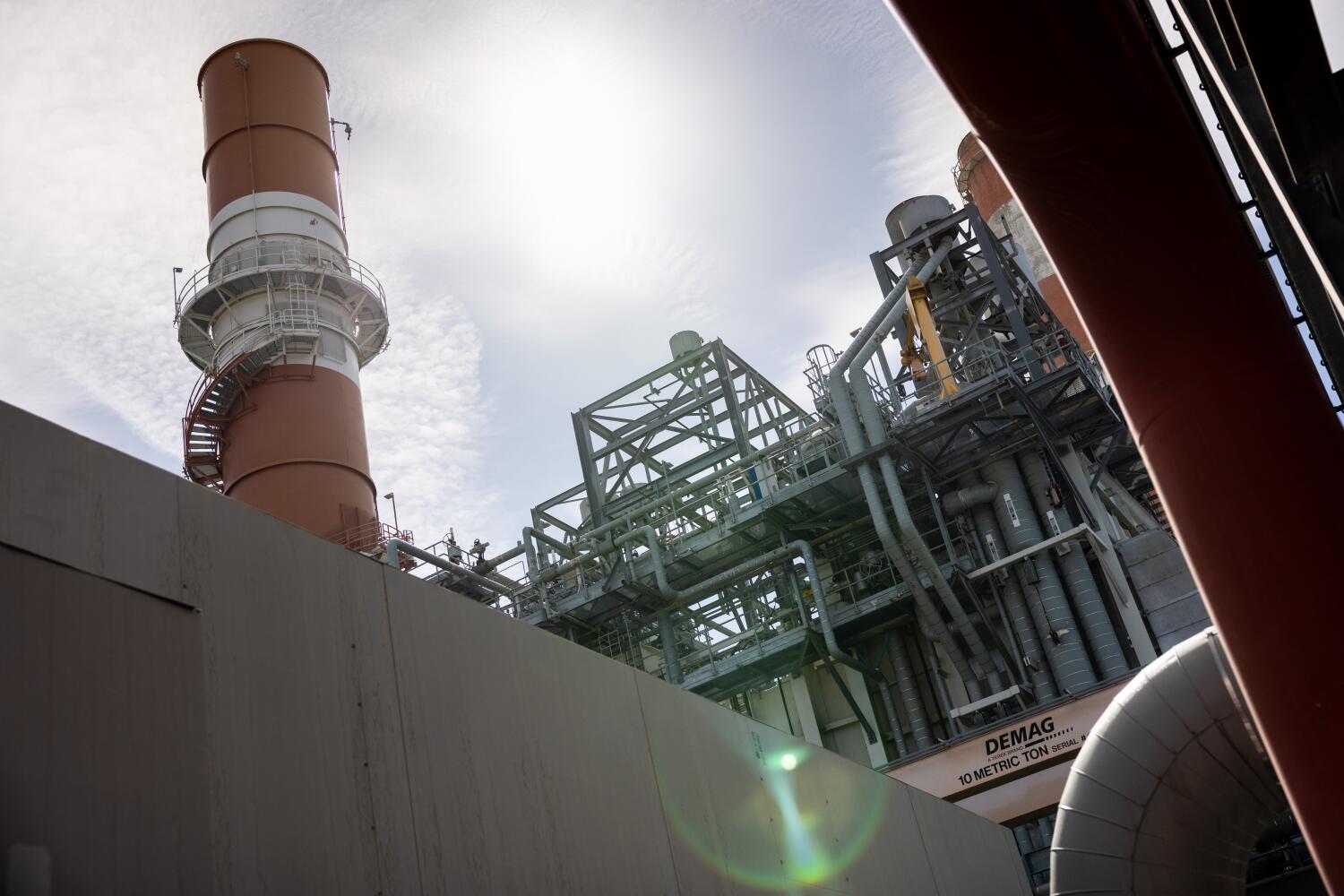
Los Angeles is hitching its renewable energy future to a volatile, hyper-expensive gas that physics fights every step of the way. The Los Angeles Department of Water and Power faces an escalating fiscal and technical crisis as its flagship hydrogen conversion projects run headfirst into staggering thermodynamic losses and soaring capital requirements. Without an immediate pivot toward proven storage alternatives like pumped hydro, battery arrays, and transmission upgrades, municipal ratepayers face catastrophic utility bill spikes.
Public utilities operate in a domain where political ambition often overrides physical reality. For years, the municipal power authority has championed a narrative centered on clean molecules transforming the desert into a zero-carbon oasis. The centerpiece of this grand vision involves replacing coal-fired generation with green hydrogen at the Intermountain Power Project in Utah, piping the fuel hundreds of miles across mountains and valleys to fire gas turbines in the Los Angeles basin. It sounds pristine on a slide deck. On a balance sheet and a thermodynamic ledger, it represents an expensive gamble with public money.
Energy is never created or destroyed; it is merely degraded. Every time electricity is forced through an electrolyzer to split water molecules into hydrogen, roughly thirty percent of the input energy vanishes as waste heat. Compress that gas for pipeline transport or chill it into a liquid state, and another chunk of energy evaporates into the ether. When that hydrogen is finally burned inside a turbine to generate electricity, more efficiency is lost. The net round-trip efficiency of green hydrogen often languishes below forty percent. By comparison, battery energy storage systems retain over eighty percent of the electricity pushed into them.
Why build an energy pipeline that leaks power like a sieve? The answer lies in seasonal energy storage. Batteries excel at short-duration storage, smoothing out the evening solar drop-off over a matter of hours. They struggle when winter clouds and still air settle over California for weeks at a time. Utilities need a medium that can store massive amounts of energy for months. Hydrogen advocates point to underground salt caverns in Utah as the ultimate storage vessel, capable of holding terawatt-hours of chemical energy ready for winter dispatch.
Yet, storing gas in a cavern and getting it to burn cleanly in a Los Angeles power plant are two entirely different engineering challenges. Hydrogen is the smallest molecule in the universe. It leaks through seals, valves, and steel joints that would comfortably hold natural gas or crude oil. Worse, hydrogen induces embrittlement in standard pipeline metals. The atomic structure of the gas penetrates steel lattice work, causing micro-fractures that turn high-pressure transmission lines into ticking structural liabilities. Upgrading or replacing thousands of miles of pipeline to safely transport pure hydrogen requires capital expenditures that dwarf initial cost estimates.
Financial exposure for utility customers mounts silently while planning committees congratulate themselves on municipal green targets. Ratepayers in Los Angeles already shoulder some of the highest electricity costs in the nation. Injecting billions of dollars into capital-intensive hydrogen retrofits without guarantees of technical feasibility or long-term fuel availability turns public infrastructure into an open-ended taxpayer subsidy for heavy industrial equipment manufacturers. When fuel costs fluctuate wildly based on renewable electricity market dynamics, the cost per megawatt-hour generated from green hydrogen becomes an unpredictable variable that local businesses and residents will ultimately absorb.
Utility executives rarely admit when a flagship strategy hits a dead end. Instead, they double down on sunk costs, framing every budget overrun and schedule delay as an unavoidable growing pain of technological pioneering. The institutional inertia inside municipal power agencies creates a dangerous vacuum where alternative pathways are ignored. Bureaucracies protect their budgets by preserving the status quo of their chosen project portfolios, even as independent analysts wave red flags about efficiency loss and runaway expenses.
A credible contingency framework must acknowledge these realities before the financial damage becomes irreversible. Energy analysts who look past corporate public relations point to a different portfolio of solutions. Upgrading high-voltage direct current transmission lines from the wind-rich plains of the American interior delivers electricity with far lower transmission losses than converting power into gas, shipping it, and converting it back. Expanding localized battery deployment alongside multi-day thermal energy storage units offers a diversified risk profile that does not depend on a single, fragile chemical supply chain.
If the municipal utility refuses to draft an honest backup plan, the consequences will manifest in sudden rate hikes and chronic grid vulnerability during peak demand events. Hydrogen has a role in hard-to-decarbonize heavy industries like steel production and maritime shipping, where chemical bonds are strictly required. Using it to boil water for residential electricity generation in Los Angeles is an expensive luxury the city cannot afford. Physics does not negotiate with municipal ordinances, and the economic bill for ignoring thermodynamic efficiency is coming due.


