Cross-border weekend trips to Shenzhen have become second nature for Hongkongers. Yet that exact ease of travel makes day-trippers prime targets for organized card theft.
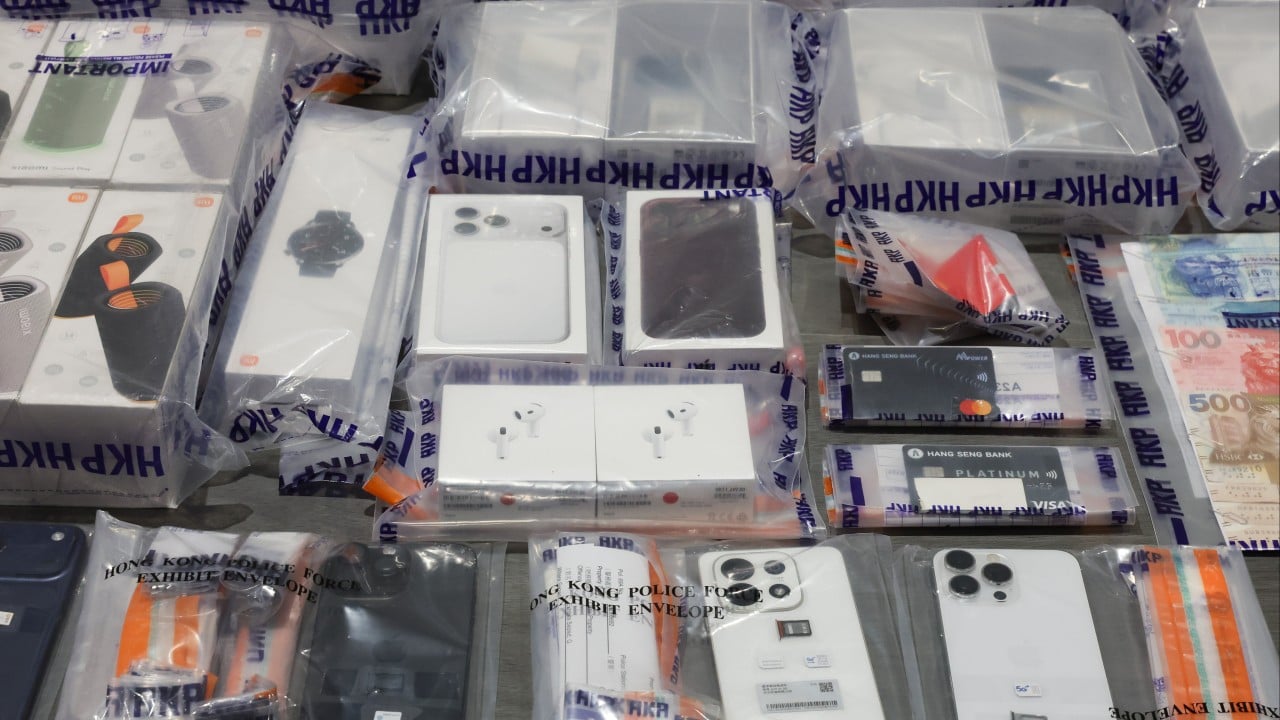
In a joint operation between August and October 2026, police in Hong Kong and Shenzhen arrested 33 suspects tied to a cross-border credit card theft syndicate. Authorities link the group to at least 60 fraud cases with losses exceeding HK$1.8 million (roughly US$229,500).
Honestly, this case exposes a blind spot that catches smart travelers off guard. Most people worry about skimmers at ATMs or sketchy Wi-Fi networks. Here, low-tech physical theft met rapid cash-out channels across two jurisdictions.
How the Cross-Border Card Theft Ring Worked
Police in Hong Kong first flagged an upward trend in fraudulent card purchases starting around April 2026, according to Chief Inspector Fung Chi-tat of the Kowloon East Regional Technology and Financial Crime Unit. Victims were residents heading across the boundary for leisure, shopping, and dining before returning home with lighter wallets than they realized.
Investigators pieced together the operation by reviewing closed-circuit television footage, cross-referencing merchant and banking records, and coordinating intelligence with the Shenzhen Municipal Public Security Bureau. According to police reports, syndicate runners used stolen cards to buy brand-new electronics, then quickly resold those devices to designated second-hand shops. Cash moved back into Shenzhen on the same day.
Police emphasize that arrests and allegations do not equal convictions, and all suspects remain subject to legal proceedings in their respective jurisdictions.
Look at the geography of the arrests and it tells you how compartmentalized this setup was. Between August and October 2026, officers arrested 16 people in Hong Kong—11 men and five women aged 17 to 45—while Shenzhen Public Security Bureau officers detained 17 people aged 36 to 56, including 11 men and six women and the alleged ringleader. Suspects across the operation included massage therapists and waiters, arrested on suspicion of offences such as conspiracy to defraud, handling stolen goods, and obtaining property by deception. Officers also seized cash, credit cards, and smartphones during the crackdown.
Why Day-Trippers Get Caught Off Guard
Let's be real. When you're hopping across the border for a relaxed massage, a long meal, or quick shopping, your guard drops. You toss your bag over a chair, leave a jacket on a hook, or check your phone while walking through crowded spots.
That's the exact moment physical theft happens. And here's the kicker: you might not even notice your card is gone until you're back on the MTR or sitting on the sofa at home. A thief doesn't need a high-tech data breach if your physical card sits in their pocket before you even cross back.
There's also a timing gap that works in a syndicate's favor. Cross-border movement plus same-day resale of electronics turns a stolen card into liquid cash fast. By the time a traveler audits their receipts at the end of the weekend, the goods have already changed hands.
Why Low-Tech Theft Still Beats Fancy Schemes
People love blaming complex cyber tricks for every financial loss. Sometimes it's much simpler. A physical card in the wrong hands can be spent directly at retail counters or online before a freeze goes through.
That doesn't mean digital security doesn't matter—it just means physical awareness is step one. Watching your bag in busy venues matters just as much as turning on banking alerts.
Practical Moves Before and After Your Next Trip
You don't need to swear off Shenzhen trips or travel in paranoia. You just need tighter habits around physical possession and fast alerts.
- Do a quick pocket and bag check before heading home. Count your physical cards before you leave a restaurant, spa, or shop rather than waiting until the next morning.
- Keep real-time transaction alerts switched on. Instant push notifications or SMS alerts let you spot an unauthorized charge within minutes, not days.
- Carry only the cards you actually plan to use. Leaving extra cards locked safely at home limits how much damage a pickpocket can do in one afternoon.
- Call your issuer and merchant platform immediately if something looks off. Fast reporting helps halt pending payments and cancel fraudulent charges before they spiral.
If you're reading this while signed out of your Google Account, signing in can make it easier to save useful articles and pick up research threads later across devices.
Cross-border convenience is great, right up until carelessness hands someone else a head start. Check your bag before you head back, keep alerts active on your phone, and act fast the second an unfamiliar charge pops up.