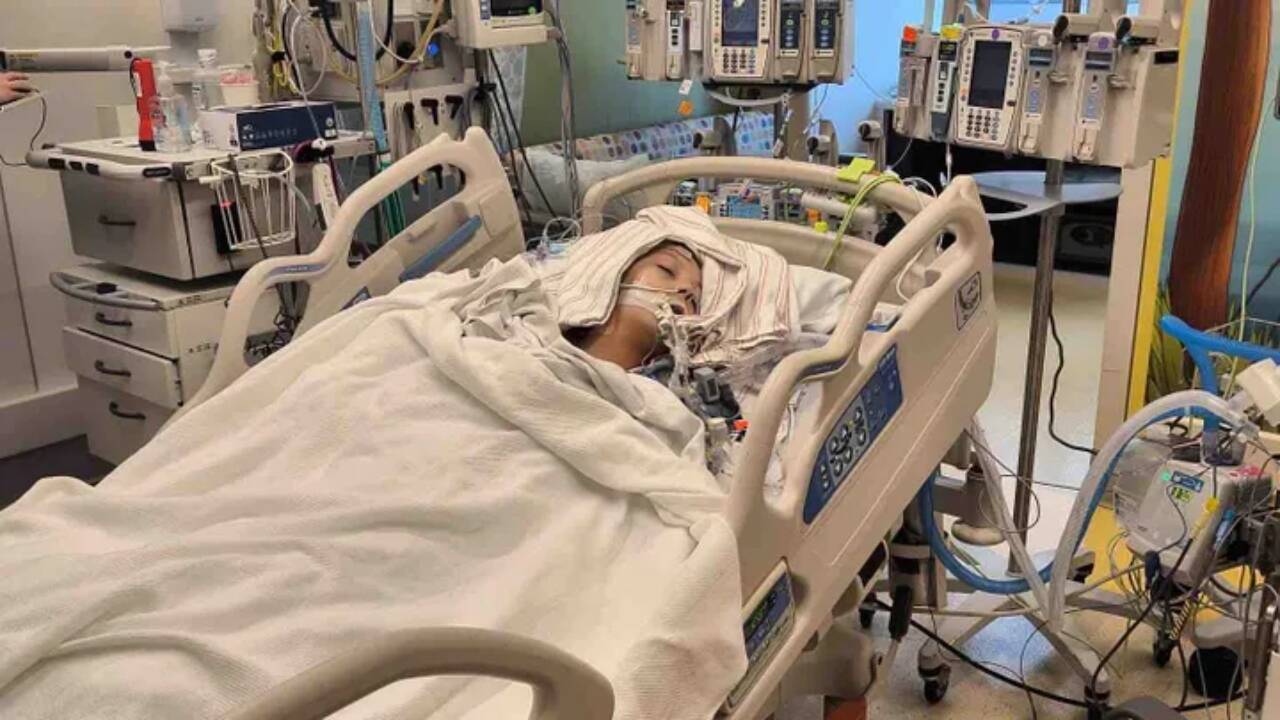
Decisions made under absolute duress rarely involve choices between good and bad. They involve a much grimmer binary. In Sudan, millions of people living with chronic illnesses face an agonizing choice every single day: buy a meal to stave off immediate starvation, or purchase the pharmaceutical treatments keeping their organs functioning.
Since the outbreak of civil conflict between the Sudanese Armed Forces and the Rapid Support Forces, the nation's economic arteries have ruptured. Hyperinflation, currency depreciation, and the systematic destruction or looting of healthcare infrastructure have created an environment where essential drugs are treated like luxury commodities. For a diabetic worker, a hypertensive elder, or a patient requiring regular dialysis, survival has become a math problem with no correct answer.
The Mechanics of a Broken Supply Chain
The shortage of medication in Khartoum, Omdurman, and regional hubs like El-Obeid is not merely a distribution hiccup. It represents the total collapse of a pharmaceutical ecosystem. Before the fighting began, Sudan relied heavily on a mix of local manufacturing and regulated imports. The conflict shattered domestic production facilities, many of which were located directly in contested urban zones.
With local labs incapacitated, the market grew entirely dependent on foreign imports coming through increasingly dangerous trade routes. But importing drugs requires a stable currency and functioning banking systems. Neither exists. The Sudanese pound has plummeted in value against the US dollar, particularly on parallel markets, making the replacement cost of imported medical stock astronomically high for local pharmacies.
Consider the plight of neighborhood pharmacists. Many try to keep doors open out of professional duty, only to find that selling a single strip of common medicine leaves them unable to buy replacement stock at the new, inflated wholesale price. Operating capital evaporates overnight. Pharmacies close, leaving entire districts entirely devoid of emergency supplies.
The Counterfeit and Spoiled Black Market
When official supply chains die, grey markets fill the vacuum. Smugglers transport vital medications—such as insulin and intravenous treatments—across porous borders, navigating active conflict zones to reach desperate urban centers.
Yet this underground trade introduces a terrifying variable: biological degradation. Insulin requires strict cold-chain storage to remain potent. When smuggled across long distances without refrigeration, exposed to high regional temperatures, vials degrade. Patients inject themselves with what they believe is life-saving medicine, unaware that the heat has rendered the hormone completely inert.
For those who manage to find uncompromised drugs, the financial barrier is insurmountable. A month's supply of necessary maintenance medication routinely eclipses the total monthly earnings of an average household relying on daily wage labor. Families must pool resources, sacrificing meals to fund a relative's prescription.
When Chronic Care Becomes a Luxury
Non-communicable diseases accounted for a majority of baseline mortality before the war. Today, they represent a slow-motion catastrophe. Conditions like end-stage renal disease demand strict adherence to treatment schedules. When dialysis centers shut down due to a lack of power, replacement parts, or clean water, patients do not die quietly in hospitals; they deteriorate at home.
Displaced populations face compounded hurdles. Fleeing violence means abandoning medical records, leaving behind trusted physicians, and arriving in rural areas where health posts are little more than empty rooms. A patient who once managed hypertension with a simple, inexpensive pill now finds themselves walking miles just to check their blood pressure, only to be told the clinic has zero inventory.
The humanitarian response, while vital, remains bottlenecked by ongoing security risks, bureaucratic constraints, and access restrictions imposed by armed actors. International aid agencies struggle to establish predictable corridors for medical cargo, leaving local mutual-aid groups and emergency rooms to absorb the shock with virtually zero resources.
The human cost of this institutional failure extends beyond physical mortality. Survivors speak of deep psychological distress, carrying the heavy guilt of knowing their medical expenses are actively depriving their children of food. Independence is replaced by total dependency, and chronic illness transforms from a manageable medical condition into a severe existential threat.
Without a durable political resolution that restores basic economic stability and protects medical infrastructure, the ledger will continue to balance itself through preventable deaths. The choice between eating today and living tomorrow remains the grim reality for those caught in the crossfire.