The knock on the door changes everything. Or perhaps it is the morning email, glowing with the sterile blue light of a federal subpoena. Panic is a quiet thing at first. It sits in the chest like cold iron. It makes breathing a conscious effort. When you are facing the crushing weight of a federal indictment, prison is not just a sentence; it is an erasure. Your career, your family's savings, your reputation—all of it compressed into a uniform and a concrete cell.
In that state of absolute terror, logic becomes a luxury. You begin to search for exits that do not exist. And that is precisely when the whispers begin.
Somewhere in a dimly lit steakhouse near K Street, or through an encrypted messaging app that deletes its history every thirty seconds, someone mentions a name. They mention access. They speak of men who whisper directly into the ear of power. They toss around figures that sound like telephone numbers. Twenty-eight crore rupees. Three million dollars. Upfront. Non-refundable.
Pardon me.
For the desperate, price is no object. When freedom is the commodity on the table, every asset you own—your home, your retirement fund, the equity in your business—transforms into currency. You rationalize the extortion. You tell yourself that justice is broken anyway, so why not buy a shortcut?
(Hypothetical scenario: Consider a disgraced executive named Arthur, sitting in a leather booth in a quiet hotel bar in Washington D.C., sliding an encrypted burner phone across the mahogany table toward a smooth-talking consultant who claims to have a direct line to the Oval Office. Arthur's trial starts in three months. He has already burned two million on legal fees that only led to a guilty verdict on wire fraud. The consultant, wearing an impeccably tailored Brioni suit and a practiced, empathetic smile, does not quote a fee in dollars or rupees right away. Instead, he talks about access, administrative overhead, and discretion. He explains that executive clemency is a delicate art, requiring specialized advocacy that traditional lawyers simply do not understand. The price tag is staggering. It represents every dollar Arthur's grandparents saved, every sacrifice his wife made. Yet, Arthur signs the retainer agreement. Because when you are drowning, you will pay a stranger any amount he asks for just to throw you a twig.)
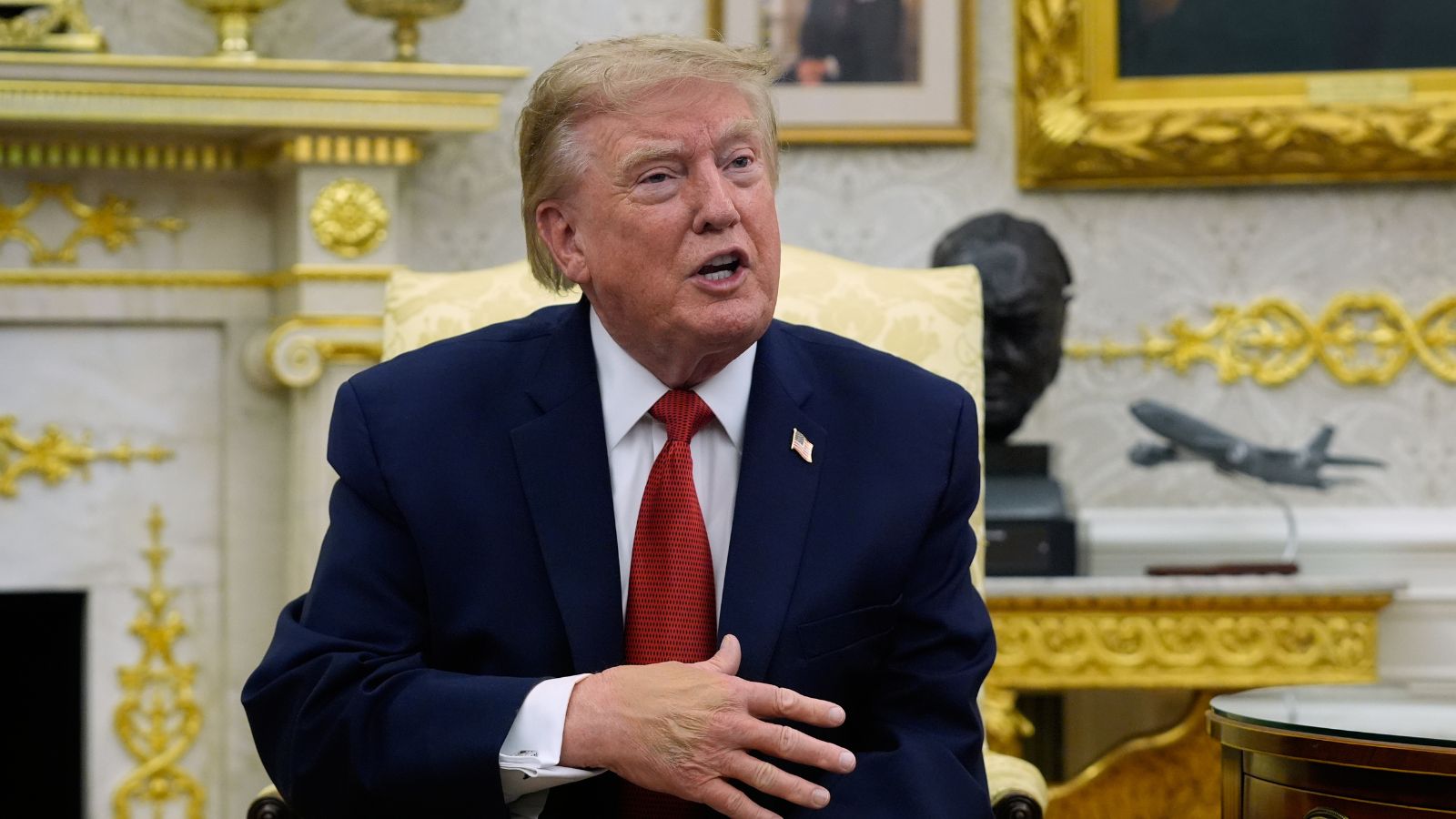
Federal investigators later uncovered the skeletal framework of these shadowy arrangements. During the frantic final weeks of Donald Trump's first presidential term, the United States Justice Department revealed an active investigation into a clandestine lobbying scheme where wealthy individuals funneled hefty campaign contributions and substantial cash payments to intermediaries. The promise was simple: secure a presidential pardon or commutation of sentence.
Money for mercy.
The mechanics of this grey market rely entirely on proximity bias. Washington is a city built on social architecture. Everyone knows someone who knows someone who once shook hands with the President. Fixers exploit this web of acquaintanceship with terrifying precision. They do not sell a guarantee; they sell hope. They dress their extortion in the language of high-stakes political strategy. They host fundraisers, attend exclusive galas, and drop names with the casual nonchalance of men who belong in the West Wing.
Yet, the constitutional power of executive clemency was never meant to be a bazaar. Article II, Section 2 of the United States Constitution grants the President broad authority to grant reprieves and pardons for offenses against the United States. It is an act of sovereign grace. It is designed to correct miscarriages of justice, to temper strict laws with mercy, or to facilitate rehabilitation when the judicial system fails. It is an instrument of conscience.
When translated into a transaction worth crores of rupees, that conscience is auctioned off to the highest bidder.
Think about the sheer audacity required to broker such a deal. You are standing at the gates of the most powerful office on earth, attempting to monetize the President's personal prerogative. You are capitalizing on the vulnerability of desperate human beings who believe that the rule of law is merely a suggestion for those who can afford the toll.
The investigations into these schemes revealed that many of the so-called brokers had no actual influence at all. They were con artists capitalizing on the chaotic transition period of an administration known for breaking conventional norms. They collected millions, pocketed the retainers, and left their clients high and dry when the pardon lists were finally published and their names were nowhere to be found.
Fraud layered upon desperation.
What drives a person to pay twenty-eight crore rupees for a piece of paper signed by a president? It is the belief that the system is entirely transactional. In certain corners of global business and high-stakes politics, rules are viewed as obstacles that can be negotiated, bypassed, or bought off. When you spend your entire life treating laws as pricing friction, you naturally assume that criminal sentences are no different. You assume prison is just a tax you failed to pay properly the first time around.
But reality has a way of biting back with jagged teeth.
Federal prosecutors do not look kindly upon individuals attempting to bypass the official Office of the Pardon Attorney by hiring unregistered, self-proclaimed fixers to grease the wheels of executive power. Bribing public officials or funneling unlawful contributions to secure official acts is a fast track to compounding your legal troubles. The men and women who thought they were buying a way out of accountability often found themselves looking at additional conspiracy charges, obstruction of justice counts, and extended prison terms.
The irony is absolute. In trying to buy their way out of accountability, they dug their graves deeper.
We must examine what this says about our collective cynicism toward authority. When the public hears reports of multi-million-dollar pardon schemes, nobody is truly shocked. That is the tragedy. Our cynicism has become so calcified that we expect corruption at the highest levels. We nod our heads, mutter about the wealthy escaping justice, and turn the page. We have normalized the idea that power is for sale.
Every time a fixer collects a fortune to sell access that does not exist, or worse, access that does, the foundational myth of equal justice under law takes another heavy blow. It creates a two-tiered reality where the poor receive swift, unsparing punishment, while the wealthy engage high-priced consultants to negotiate their exit strategies in private clubs.
The twenty-eight crore rupee price tag is not just a statistic about white-collar crime. It is a monument to human fear. It measures how much a person is willing to pay to escape the consequences of their own choices. It shows the dark side of ambition, where success is pursued without ethical guardrails, and failure is managed through financial extortion.
Consider the silence in the room after the check clears.
The fixer leaves. The encrypted chats are wiped clean. The client sits alone in their opulent study, staring at the phone, waiting for a call that will never come from Washington. Outside, the world moves on, indifferent to the fortunes lost and the illusions shattered. The law grinds forward, slow, heavy, and entirely unimpressed by how much money you managed to wire through offshore accounts.
In the end, mercy cannot be invoiced. Once you put a price tag on forgiveness, it ceases to be grace. It becomes a transaction. And in the ledger of justice, some debts can never be settled with cash.


