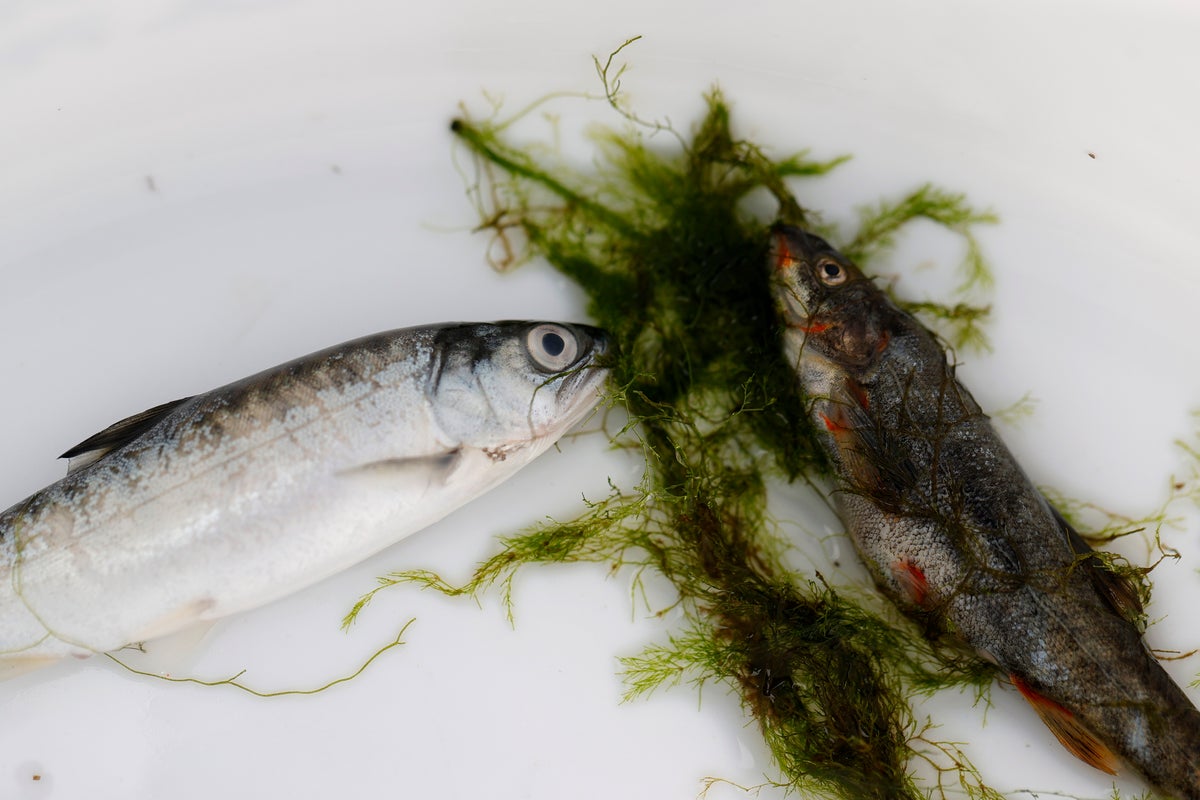
Dams came down, but the fish are still dying.
When crews dismantled the massive hydroelectric dams along the California-Oregon border, everyone expected an immediate victory for conservation. Instead, biologists are picking up hundreds of dead juvenile Chinook salmon from the riverbanks. The culprit is Ceratonova shasta, a brutal waterborne parasite that liquefies the intestines of young fish. Also making headlines in related news: The Friction Points of Subcontinental Geopolitics: Managing Asymmetric Escalation and Minority Vulnerabilities in Transnational Corridors.
If you thought tearing down concrete walls would fix a century of environmental damage overnight, you're looking at river ecology all wrong. The recent die-off in the Upper Klamath River isn't proof that dam removal failed. It's a stark reminder that a river system takes years to heal, and a stubborn parasite doesn't care about a historic victory for conservation.
The Microscopic Killer in the Current
This isn't a new invader. Ceratonova shasta (C. shasta) has been native to the Pacific Northwest for a very long time. But the way it's behaving right now is deeply alarming. Additional insights into this topic are detailed by Reuters.
The parasite has a complex life cycle that bounces between two hosts: salmonids and a microscopic bristleworm called a polychaete. The worms live in the river sediment and release spores into the water. Once these spores enter a juvenile salmon's gills, they migrate to the gut, cause massive internal hemorrhaging, and eventually kill the host. When the fish rots, millions of new spores flood back into the stream.
Data from the U.S. Fish and Wildlife Service shows that between mid-March and mid-May, roughly 46% of young Chinook salmon sampled in the Upper Klamath were infected. Even worse, at monitoring traps near the former Iron Gate Dam site, over half of the trapped hatchery fish were found dead.
The real shocker? The parasite has officially crossed into Oregon waters. Historically, the dams blocked fish from migrating upstream, which accidentally acted as a physical barrier for the parasite too. Now that the river flows freely, infected fish are carrying C. shasta into historic spawning grounds where the parasite has never caused mass mortalities before.
Why the Crisis is Spiking Right Now
Tearing down dams improves water flow over the long term, but it can't fix a terrible water year. The Pacific Northwest is dealing with a brutal combination of low snowpack, early snowmelt, and abnormally hot weather.
When water levels drop, the river slows down and heats up. This creates a double disaster for salmon:
- Thermal Stress: Salmon are cold-water fish. Warm water spikes their stress hormones, completely crippling their immune systems. They simply lack the strength to fight off an infection that they might otherwise survive.
- Ideal Worm Habitat: Slow, warm water is exactly what the host polychaete worms need to thrive. They multiply in the fine sediment and thick algae beds, pumping out an unprecedented volume of parasitic spores.
Most of the heavy mortalities are hitting fish from the Fall Creek Hatchery. Wild juvenile salmon have actually fared a bit better because the bulk of them managed to migrate out to the cooler ocean before the parasite levels hit their summer peak. But for the fish left behind, the Upper Klamath has become a hot, crowded trap.
Healing a River Takes More Than Dynamite
It's easy to look at the dead fish floating in the vegetation and assume the restoration project was a waste of time. Local tribes, including the Karuk and Yurok, are urging the public to resist that knee-giggle reaction. You can't undo 100 years of ecological disruption with one season of construction.
Before dam removal, the reservoirs acted as massive solar heat sinks, collecting agricultural runoff and breeding toxic blue-green algae. The river was fundamentally broken. Tearing down the dams gave the salmon a fighting chance by opening up miles of cold, spring-fed mountain tributaries.
But a true recovery relies on natural flushing flows. The river needs heavy winter storms to scour the bottom, wash away the fine sediment, disrupt the worm habitats, and dilute the spore concentrations. Without those big water years, the parasite keeps the upper hand.
Real Steps to Stop the Spread
Biologists can't control the weather, but human behavior can keep this crisis from expanding to other pristine watersheds. Parasites like C. shasta and Myxobolus cerebralis (which causes whirling disease) routinely hitchhike to new rivers on human gear.
If you fish, boat, or wade in western rivers, you have a direct responsibility to protect these waters.
- Clean everything immediately: Don't leave the boat ramp or riverbank without scrubbing mud, plants, and sediment from your boots, waders, and hull. The host worms are tiny and easily hide in tread grooves.
- Drain and dry: Empty all bilge water, livewells, and bait buckets before moving to a different location. Dry your gear completely in the sun for at least 10 days, or freeze your wading boots overnight to kill any lingering spores.
- Never transport water or bait: Moving live bait or water between different reservoirs or river basins is the fastest way to spark an outbreak in a healthy ecosystem.
The Klamath River is currently a system in transition. It's messy, it's vulnerable, and it's going to suffer growing pains. The presence of dead salmon isn't a sign to give up; it's a sign that the hard work of active habitat restoration and strict water management is just beginning. Clean your gear, respect the closures, and give the river the time it needs to heal.


