Safety protocols in captive wildlife facilities rarely fail by accident. They fail because complacency sets in long before any emergency occurs. When a major incident happens at a UK wildlife park, public shock usually fades into routine questions about gates, locks, and enclosure designs. But physical barriers only tell half the story. The real breakdown usually happens in the operational habits of the people holding the keys.
Working around apex predators requires a level of vigilance that defies human nature. People get comfortable. Routine breeds blind spots. When you walk past the same heavy perimeter fence five hundred times without incident, your brain stops treating it as a boundary between safety and catastrophe. That psychological shift kills.
The Reality of Captive Predator Management
Managing big cats in a visitor-facing environment involves a constant balancing act. Zoos and wildlife parks must simulate natural habitats while maintaining impenetrable security boundaries. This means heavy-duty containment infrastructure, redundant locking systems, and strict protocols that leave zero room for human error.
Yet, humans remain the weakest link in every high-risk environment. Standard operating procedures often get bypassed under the pressure of daily operations. Maintenance work gets rushed. Keeper rotations change. Communication gaps open up between animal management teams and administrative staff.
When investigations look into fatal incidents at wildlife attractions, they rarely find a single catastrophic failure. They find a chain of small oversights. A latch left unsecure. A radio battery dying during a routine check. A maintenance ticket ignored for weeks because funding got tight.
What Safety Audits Actually Miss
Traditional regulatory inspections focus on physical standards. Inspectors measure fence heights, check electrical currents on secondary wires, and test hydraulic gate mechanisms. Those checks matter, but they measure static conditions. They don't capture what happens on a rainy Tuesday morning when a skeleton crew operates the park under financial strain.
Operational culture dictates safety outcomes. If keepers feel penalized for reporting near-misses, they stop reporting them. If management prioritizes visitor flow and ticket sales over maintenance downtime, safety margins shrink.
Look at how high-risk industries handle this. Aviation and nuclear power operate on strict no-blame reporting cultures. If someone spots a crack or makes a procedural error, they flag it immediately without fear of termination. Many wildlife parks still operate under old-school, top-down hierarchies where admitting a mistake brings immediate punishment. That environment breeds silence, and silence breeds disaster.
The Financial Pressure on Modern Wildlife Parks
Running a wildlife park is an expensive endeavor. Feeding large carnivores, maintaining specialized veterinary facilities, and keeping structural barriers up to modern standards costs millions. Post-pandemic economic pressures, rising energy costs, and fluctuating visitor numbers have squeezed facility budgets across the board.
When margins tighten, maintenance budgets are usually the first thing slashed. Deferred maintenance on an enclosure gate might save money this quarter, but it creates a ticking clock. Regulatory bodies need to implement continuous financial transparency requirements to ensure that animal safety never competes with profit margins.
Moving Past Tragedy without Forgetting
When a facility closes indefinitely following a fatality, public attention focuses on the immediate aftermath. Animal welfare advocates demand immediate closures. Park owners issue corporate statements expressing devastation. Local councils launch inquiries.
The closure itself does nothing to fix the systemic issues plaguing the wider sector. Shutting down one park doesn't upgrade the operational standards of another thirty facilities operating under the exact same economic and cultural pressures.
Real reform requires mandatory third-party safety audits that test human factors,
Why the UK Wildlife Park Closure After a Tiger Attack Shows We Need Better Safety Standards Now
news
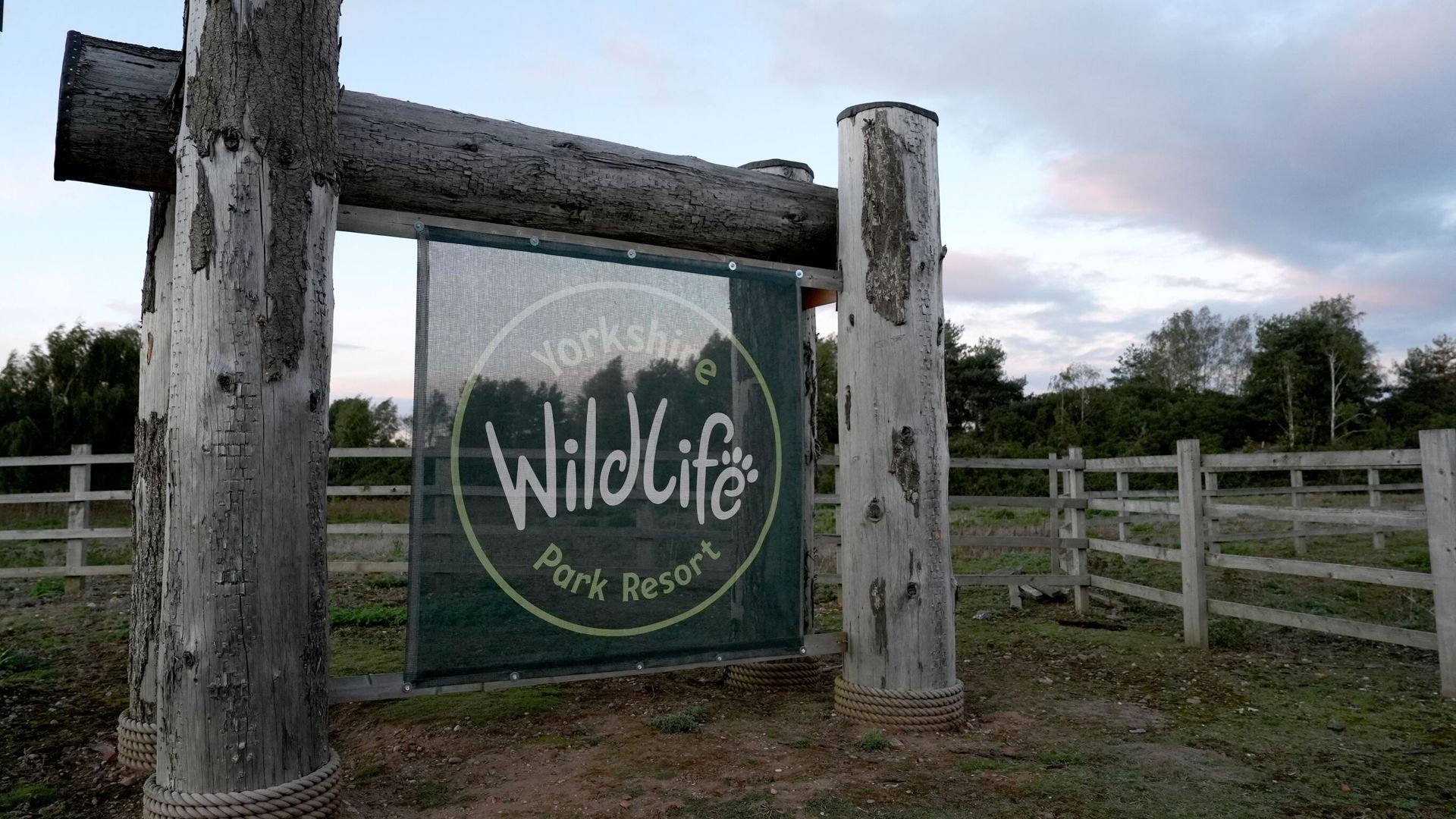
Safety measures at visitor attractions have to change. When a man loses his life inside a high-security animal enclosure, the public conversation shifts instantly. It moves from casual weekend family outings to heavy questions about operational protocols, staff training, and structural integrity.
UK wildlife parks operate under strict licensing rules, yet tragedies still happen. You walk through these gates expecting barriers to hold. You trust that keepers, management, and local authorities have locked down every possible risk scenario. But when containment fails, the consequences are final.
Understanding the Reality of Dangerous Animal Management
Managing large apex predators requires absolute precision. Zookeepers work within margins where a single procedural oversight can turn catastrophic. Zoos across Britain follow the Zoo Licensing Act 1981, which demands rigorous inspections, physical containment standards, and emergency preparedness.
Yet, inspections happen on schedules. Human error happens daily.
If you talk to veteran handlers, they will tell you that complacency is the biggest threat. When staff deal with tigers, lions, or bears every day, familiarity breeds routine. Routine breeds shortcuts.
Where Protocols Usually Break Down
- Communication gaps: Shifts change, radios fail, and key details about animal positioning get missed.
- Maintenance lags: Wear and tear on perimeter fencing, hydraulic gates, or secondary lockouts often goes unnoticed until it is too late.
- Emergency response times: Seconds matter when an unauthorized entry or breach occurs. Response drills look great on paper, but chaos changes everything.
The Immediate Aftermath for Facility Operators
When a fatality occurs on-site, the response protocol kicks in immediately. The facility locks down. Police, health and safety executives, and local council inspectors descend on the park.
Closing the park indefinitely isn't just about respect. It is a legal and forensic necessity. Investigators need to map the scene, examine every electronic access log, interview staff, and check the welfare and behavior of the animals involved.
For the business, prolonged closure hits hard. Animals still need feeding, veterinary care, and enrichment. Fixed costs do not stop because ticket sales hit zero. But reopening too early invites public backlash and regulatory penalties.
What This Means for the Future of Zoos
The debate around keeping captive predators in modern society always flares up after these incidents. Animal welfare organizations push for total bans on big cats in captivity. Facility operators argue that modern zoos serve a vital conservation and educational purpose.
Both sides miss the operational ground truth. The issue rarely comes down to whether zoos should exist. The real issue is whether our regulatory bodies enforce strict enough penalties for safety lapses.
If a park fails a secondary containment check, the fine should not be a minor operating expense. It needs to threaten the business license. Only severe economic and legal consequences will force every board member and park director to audit their facilities with absolute paranoia.
Moving Forward Responsibly
If you manage a facility or visit one regularly, you need to look past the marketing. Look for transparency. Check if the facility publishes its inspection reports openly. Ask questions about how staff are trained to handle emergency scenarios.
Safety isn't an accident. It's a deliberate choice repeated thousands of times a day. Until every park matches the standard of the best-run facilities in the country, families will continue to question whether visiting these enclosures is worth the risk.