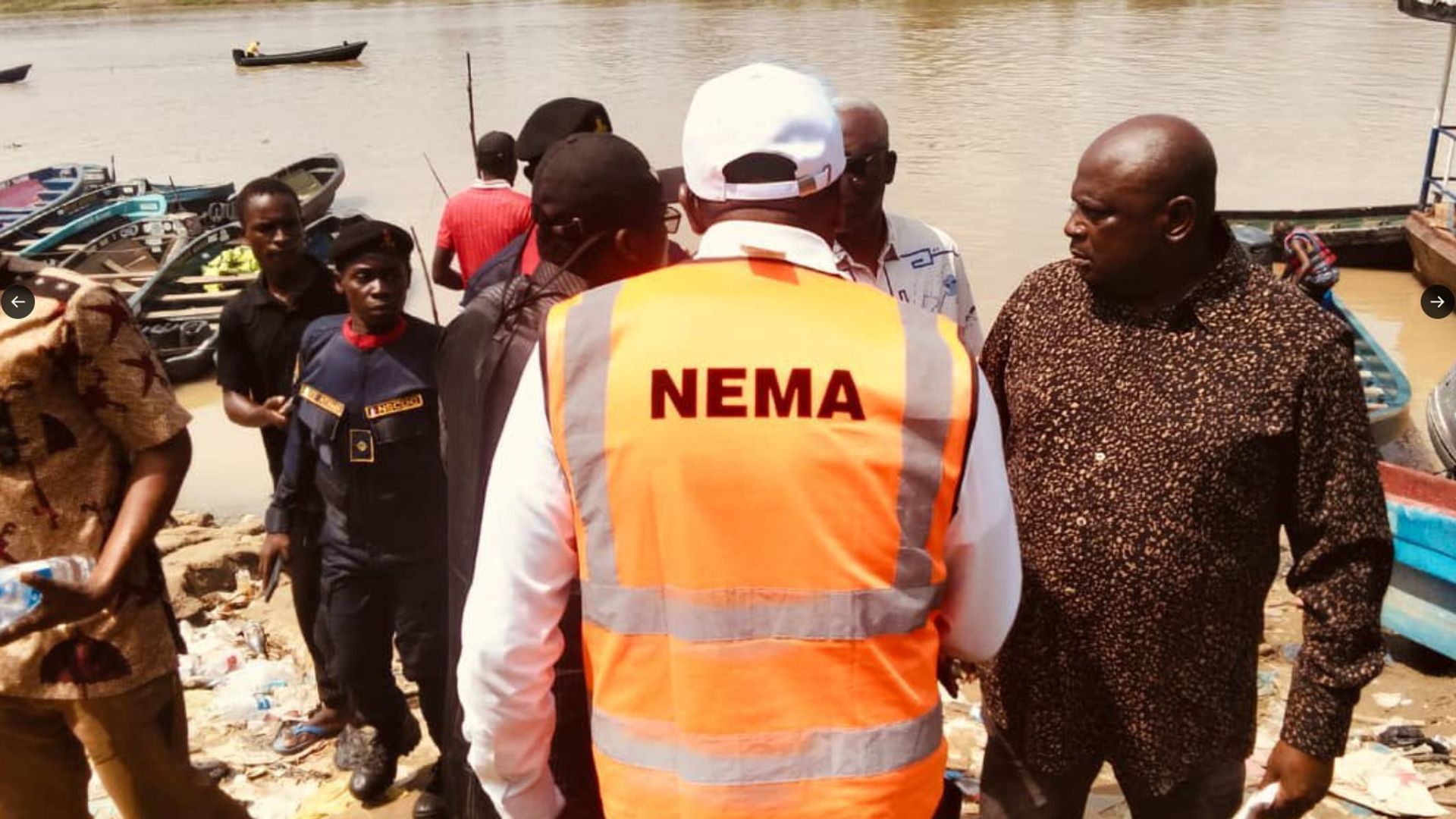
At least 24 people are dead after a boat carrying passengers to a funeral capsized in Nigeria, and honestly, the most infuriating part isn't the shock—it's how predictable the whole tragedy was before the vessel even left the jetty.
If you've followed maritime safety across West Africa for any length of time, you already recognize the script. A wooden boat leaves a rural riverbank packed well past its structural limit. Passengers are traveling for a major community gathering—a funeral, a wedding, a weekly market. Nobody is wearing a life jacket. Halfway across fast-moving water, something gives way, and dozens of families are destroyed in minutes. For a closer look into this area, we recommend: this related article.
Most news briefs treat these crashes like sudden weather events or freak accidents. They aren't. When a boat carrying funeral mourners goes down in Nigeria, it's the direct result of a broken inland transport system where cheap wooden hulls, nonexistent enforcement, and desperate infrastructure gaps collide every single week.
What Actually Happened When the Funeral Boat Capsized
In rural riverine communities across Nigeria—from the Niger and Benue river basins down to the creeks of the Niger Delta and Lagos lagoons—water isn't a scenic shortcut. It's the only road that exists. To get more background on this topic, in-depth reporting can also be found at BBC News.
When a boat taking passengers to a funeral capsizes, the immediate circumstances almost always follow a painful pattern. Community members gather at a local landing point to travel together to a neighboring village for burial rites. Because funerals draw large extended families and neighbors who can't afford separate private hires, operators cram as many people as physically possible onto a single motorized wooden canoe or plank boat.
Water enters over the low gunwales. Sometimes a submerged tree stump tears through rotten timber. Other times, a sudden squall or river current hits an unbalanced hull, and the vessel rolls over before anyone near the shore can react.
With at least 24 confirmed dead in this latest disaster, rescue efforts typically rely on local fishermen and volunteer divers using dugout canoes rather than state emergency response teams. By the time federal or state emergency officials arrive at remote riverbanks, local villagers have usually pulled the survivors and bodies from the water themselves.
Why Funeral and Market Trips Carry the Highest Risk
You might wonder why so many mass-casualty boat crashes in Nigeria happen during funerals, religious festivals, or market days. The math is brutal and simple.
Regular commuter trips have predictable passenger flows. Cultural events don't. When an entire village needs to reach a burial ground across a river by a specific hour, demand spikes overnight while the number of available boats stays flat.
Boat operators see a rare payday and refuse to turn away paying neighbors. Passengers, terrified of missing the ceremony or being stranded on the bank until dark, step onto vessels that are already sitting dangerously low in the water. Nobody wants to be the person who delays a funeral procession by arguing about weight limits.
The Real Reasons Nigerian Waterways Remain So Dangerous
Blaming boat captains alone misses the bigger picture. Having spent years analyzing inland waterway safety and regional transport failures, I can tell you that telling a rural operator to "follow safety rules" means nothing when the entire system is built around survival economics.
1. Wooden Boats Built Without Engineering Standards
Most passenger vessels operating on Nigeria's inland waterways aren't modern fiberglass ferries. They're locally built wooden plank boats, often constructed without marine architects, flotation compartments, or stability testing.
Once water floods an open wooden hull, it sinks like a stone. There's no sealed air chamber to keep the vessel afloat while passengers cling to the sides. Even worse, constant exposure to tropical heat, river water, and heavy cargo rots the timber quickly, yet cash-strapped owners patch planks with tar and nails rather than retiring unsafe hulls.
2. Severe Overloading and Mixed Cargo
Watch any busy river jetty in states like Niger, Kebbi, Kwara, Benue, or Bayelsa, and you'll see the exact same hazard. Passengers aren't just bringing themselves. They're loading motorcycles, bags of grain, cooking pots, livestock, and fuel jerrycans onto the exact same deck.
Heavy cargo stacked on top of human passengers raises the boat's center of gravity. All it takes is one wave from a passing vessel or twenty people shifting to one side to avoid spray, and the entire boat flips upside down in seconds.
3. The Life Jacket Myth
Officials always repeat the same line after every disaster—passengers refused to wear life jackets. That's only half true, and frankly, it shifts blame onto the victims.
Here's what actually happens on the ground:
- Cost barriers: A decent, certified buoyancy aid costs more than many rural commuters earn in several weeks.
- Fake gear: Many jetties keep a handful of cheap, waterlogged foam vests stuffed with non-buoyant material just to pass visual inspections. In real water, those vests drag people down instead of keeping their heads up.
- Hygiene and availability: Operators rarely carry enough vests for every passenger on board, especially when a 30-person boat is carrying 60 or 80 people.
4. Night Travel and Submerged Obstacles
Nigerian maritime rules explicitly ban night navigation on inland waterways for a reason. Rural rivers aren't dredged or lit with navigational buoys. During the rainy season and flood months, fast currents wash massive tree trunks, sandbars, and debris straight into shipping channels.
Yet boats routinely travel after dusk—especially when returning from funerals or distant markets—because communities lack overnight accommodation or road alternatives. Hitting a submerged log at speed in pitch darkness gives passengers zero chance.
Who Is Supposed to Police Nigeria's Waterways
On paper, Nigeria isn't lacking regulatory agencies. The National Inland Waterways Authority (NIWA) oversees federal navigable waterways, working alongside state water transport agencies like the Lagos State Waterways Authority (LASWA) in the south, as well as the National Emergency Management Agency (NEMA) and state emergency bodies.
In practice, enforcement drops off sharply the moment you leave major commercial hubs like Lagos or Port Harcourt.
Nigeria has thousands of kilometers of navigable rivers, creeks, and lakes, dotted with thousands of informal village jetties. NIWA doesn't have the patrol boats, fuel budgets, or stationed marshals to monitor every rural crossing at dawn or dusk. Even when authorities impound an unseaworthy boat or arrest a negligent skipper after a mass fatality, political pressure and the sheer lack of alternative transport mean similar wooden boats are back on the water within days.
The Infrastructure Trap Nobody Wants to Fund
Why do millions of Nigerians still risk their lives on rickety wooden boats? Because the roads are either washed out, nonexistent, or too dangerous to travel.
In many parts of north-central and northern Nigeria, rural road networks have crumbled from decades of neglect and seasonal flooding. A trip that takes 25 minutes by riverboat might require a four-hour detour over broken roads—or pass through corridors plagued by banditry and kidnapping. For ordinary families, boarding an overloaded boat feels like the lesser risk compared to what waits on the highway.
Until federal and state governments invest in both safe rural roads and subsidized modern ferry fleets, lecturing villagers about waterway safety is pointless. People don't choose unsafe boats out of ignorance. They choose them because they have no other way to reach hospitals, markets, schools, or family funerals.
What Needs to Change Before the Next Mass Casualty Crash
Announcements of "thorough investigations" after at least 24 people die in a boat capsize have become routine theater. Real prevention requires unglamorous, local action that actually matches how river communities live and travel.
First, state governments and NIWA need to stop relying solely on punitive bans and start subsidizing hull replacements. Partnering with local boatbuilders to introduce affordable, fiberglass-reinforced vessels with built-in buoyancy chambers would eliminate the single deadliest mechanical failure on Nigerian rivers—boats that sink completely within seconds of taking on water.
Second, safety enforcement has to move from distant headquarters to traditional and community leadership. Village heads, jetty union leaders, and religious elders hold far more immediate authority over funeral and market crowds than a federal inspector sitting in a state capital. Empowering local jetty marshals with radios, weather alerts, and strict authority to hold back overloaded boats works faster than any press release from Abuja.
Third, life jacket programs only work when certified vests are stored at every registered jetty, inspected regularly, and included automatically in the ticket price rather than treated as an optional extra.
How River Travelers Can Protect Themselves Right Now
If you or your family rely on inland ferries or wooden boats in Nigeria—or anywhere with limited marine enforcement—you can't wait for government reform to stay alive. Take these practical precautions every single time you approach a jetty:
- Check the waterline before boarding. Look at how much of the boat's wooden side remains above the water. If the gunwale is already close to the surface or water is splashing over the edge while docked, walk away and wait for the next trip, no matter how urgent the event is.
- Refuse night crossings. Never board an unlit wooden boat after dusk or before dawn. Submerged debris and sudden currents turn minor mistakes into fatal wrecks when visibility drops.
- Test the life jacket yourself. Don't just grab a vest to satisfy a jetty marshal. Check the straps, buckles, and foam padding. If the foam feels hard, crumbly, or waterlogged, demand a different one—or buy your own certified personal flotation device if you travel by water regularly.
- Keep heavy luggage off your lap and away from exits. Never sit trapped beneath motorcycles, sacks of produce, or tarpaulins. Sit near the open edge where you can clear the boat immediately if it begins to tilt.
- Speak up early. Most capsizes happen because dozens of passengers stay silent while an operator squeezes ten extra people aboard. Calling out overloading at the dock often gives other nervous passengers the courage to back you up and force a second trip.
Every time a boat carrying funeral mourners goes down in Nigeria, the country mourns the dead for forty-eight hours and moves on until the next headline hits. Breaking that cycle starts with refusing to treat preventable maritime negligence as an unavoidable act of fate.