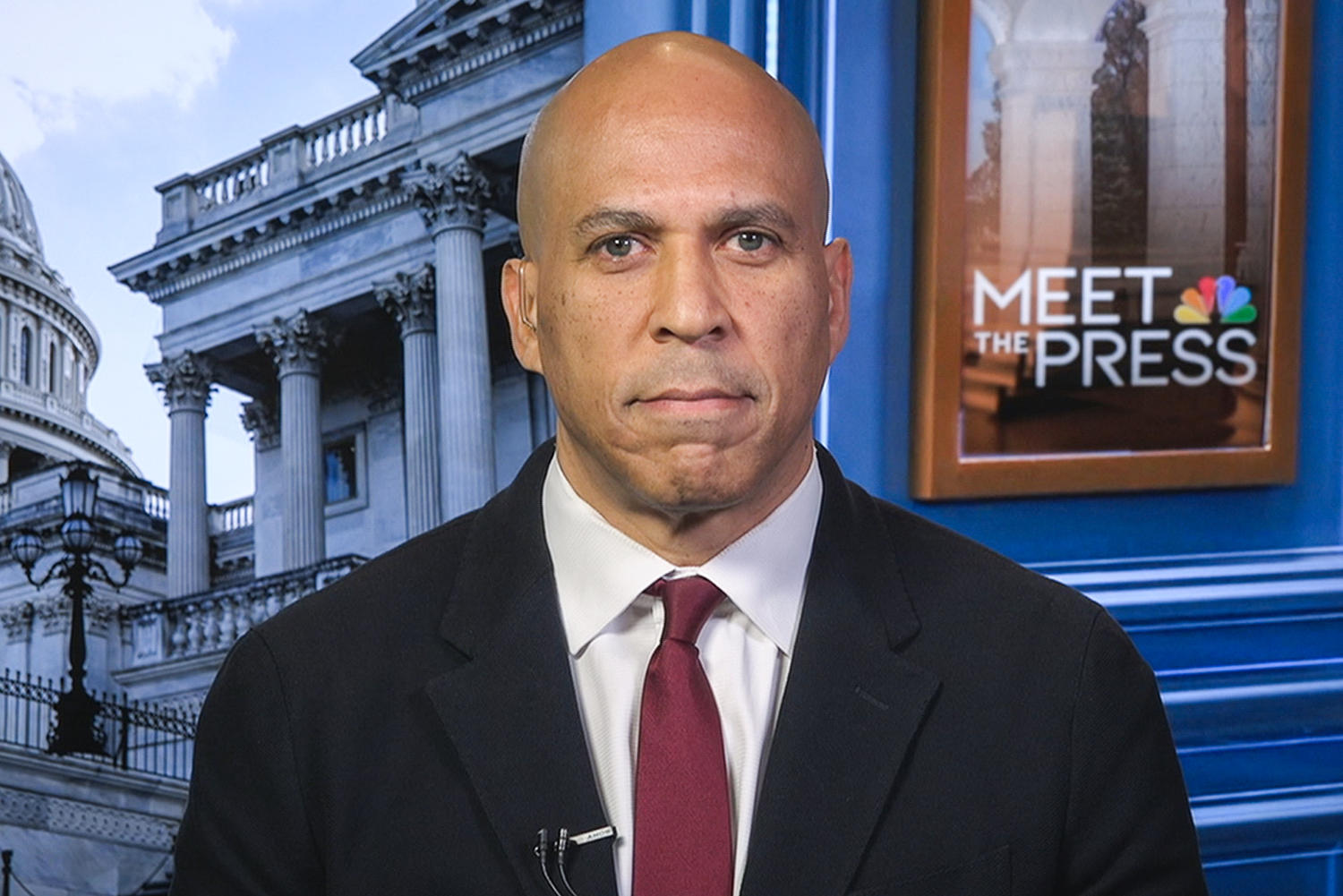
The Department of Homeland Security is currently a political football, and everyone is trying to figure out who’s actually holding the ball. If you listen to one side, the government is on the verge of a shutdown because of partisan stubbornness. If you listen to the other, it’s a calculated move to force a change in border policy. Senator Chris Van Hollen recently pushed back against the narrative that Democrats are the ones dragging their feet on DHS funding. He’s making a case that the bottleneck isn't where most people think it is.
The reality of Washington budget battles is usually buried under layers of procedural jargon and finger-pointing. Right now, the stakes are incredibly high because we aren't just talking about office supplies or administrative costs. We’re talking about the Coast Guard, the TSA, and the personnel working the Southern border. When DHS funding hangs in the balance, the ripple effects hit everything from national security to your wait time at the airport.
The Van Hollen Defense and the Border Wall Ghost
Senator Van Hollen is effectively calling a bluff. He argues that Democrats have been ready to move forward, but they’re being met with "poison pill" riders from the GOP. These are essentially policy changes that have nothing to do with the budget itself but are tacked on to force a confrontation. In the current landscape, the most common poison pill involves extreme border enforcement measures that go far beyond what was previously agreed upon in bipartisan talks.
The Senator’s frustration stems from a simple premise. If both sides agree on the numbers for salaries and equipment, why is the bill stuck? It’s stuck because the funding has become a proxy war for the broader immigration debate. You have to understand that DHS is the primary agency handling the border. By holding up its budget, some lawmakers feel they can extract concessions on asylum laws or wall construction. Van Hollen’s take is that Democrats aren't the obstacle; they’re just refusing to be held hostage by unrelated policy demands.
How We Got to This Funding Cliff
It’s worth looking at how these cycles repeat. Congress rarely passes a clean budget on time anymore. Instead, they rely on Continuing Resolutions—or CRs—which basically keep the lights on at last year’s spending levels. This is a terrible way to run a department. It prevents DHS from starting new projects or hiring necessary staff for emerging threats.
The current friction exists because the previous bipartisan border security bill, which many thought would settle the DHS funding issue, was killed in the Senate. That bill had input from some of the most conservative members of the chamber. When it failed, it left a vacuum. Now, every time the DHS budget comes up, the ghost of that failed bill haunts the room. Democrats like Van Hollen feel they already compromised significantly on that deal, and they don't see why they should give up more ground now just to get a basic funding bill through.
The Real World Impact of a Stalled DHS Budget
When politicians argue in DC, people on the ground feel the heat. A stalled or underfunded DHS isn't just an abstract concept. It means Border Patrol agents working without the updated surveillance tech they were promised. It means the TSA struggling to fill vacancies during peak travel seasons.
- Coast Guard Readiness: They rely on these funds for maintenance and operations. Delays mean older ships stay at sea longer without necessary repairs.
- Cybersecurity: The CISA branch of DHS is our main defense against foreign hacks. Stagnant funding makes us a softer target.
- Disaster Relief: FEMA falls under DHS. If the budget is a mess, the response to the next big hurricane or wildfire gets more complicated than it needs to be.
Honestly, the "holding up" narrative is a classic play. If you can convince the public that the other guy is the reason the government might shut down, you win the PR war. Van Hollen is trying to flip that script. He’s pointing at the specific demands being made by House Republicans as the actual source of the delay. It’s a game of chicken where the stakes are the safety and security of the country.
Why Compromise Feels Like a Dirty Word
In today’s Senate, a moderate solution is often treated like a betrayal. Van Hollen represents a wing of the party that feels they’ve already leaned toward the center on border security. They supported a bill that included hire-levels of enforcement and stricter asylum rules. To them, being told they are "holding up" funding feels like gaslighting.
The disagreement isn't over whether the DHS needs money. Everyone knows it does. The disagreement is over what the DHS should be allowed to do with that money. One side wants to lock the funds into specific enforcement mechanisms. The other wants more flexibility for humanitarian efforts and technology-based security. These aren't just different line items; they are fundamentally different visions for what Homeland Security should look like in 2026.
Beyond the Soundbites
You'll see plenty of clips of Van Hollen and his colleagues on cable news, but the actual work is happening in the Appropriations Committee. That’s where the real horse-trading occurs. If you want to know if a deal is actually close, don't watch the floor speeches. Look at whether the "poison pill" riders are being stripped out in subcommittee meetings.
Usually, these things get resolved at the eleventh hour. A deal is struck in a smoke-filled room—or the modern equivalent, an encrypted group chat—and a massive "omnibus" bill is passed before anyone has time to read the whole thing. It’s a messy, frustrating way to govern, but it’s the only way things seem to move in the current climate.
If you’re following this story, keep an eye on the specific language regarding the "border contingency fund." This is a pot of money that would allow the DHS to shift resources quickly as migration patterns change. Democrats want it. Many Republicans see it as a "slush fund" for the administration. That single point of contention is currently doing more to "hold up" funding than any grand philosophical disagreement.
What You Can Do Now
Stay informed by checking the actual bill status on Congress.gov rather than relying solely on partisan highlights. If you care about specific DHS functions—like FEMA or the TSA—contact your representative’s office. They track which issues are generating the most constituent heat.
The most important thing to remember is that in Washington, "who is at fault" is often a matter of which part of the timeline you choose to start with. Van Hollen is providing the Democratic starting point. The other side has theirs. The truth, as usual, is somewhere in the middle of a very long, very expensive piece of legislation.