India is currently caught in a brutal pincer movement between record-shattering heatwaves and a volatile geopolitical crisis in the Middle East that has effectively strangled its energy options. As temperatures routinely exceed 45°C across the subcontinent, the surge in power demand for air conditioning has forced the government to abandon its green rhetoric and double down on coal. This isn't a choice; it's an emergency reflex. The escalating conflict involving Iran has simultaneously spiked global LNG prices and disrupted shipping lanes, making imported natural gas a financial impossibility for a nation trying to keep its manufacturing sector from seizing up.
To understand why New Delhi is aggressively reopening mothballed mines and fast-tracking coal-fired capacity, you have to look past the official press releases. This is a story of a power grid pushed to the absolute edge of physics, where the cost of a blackout is measured in human lives and political instability.
The Physical Reality of the Heat Trap
When the mercury hits a certain point, the efficiency of the entire electrical system begins to degrade. Transformers overheat. Transmission lines sag. Solar panels, ironically, lose efficiency as they get too hot. In May 2026, India’s peak power demand hit an unprecedented 260 GW, a figure that would have seemed like science fiction a decade ago.
The primary driver is the "cooling load." In cities like Delhi, Mumbai, and Bengaluru, the middle class is expanding, and their first major purchase is often a window-unit air conditioner. These machines are massive energy hogs. Unlike LED bulbs or high-efficiency appliances, cooling requires moving heat against the laws of nature. During a heatwave, the sun provides the problem and the coal plants provide the solution.
Renewables are failing to fill this specific gap for a simple reason: the peak demand occurs between 7:00 PM and 10:00 PM. This is when the sun has gone down, but the concrete heat island effect keeps urban temperatures stifling. Without massive, grid-scale battery storage—which India does not yet possess at the necessary scale—the only way to keep the lights on after dark is to burn something.
The Iran War and the Death of the Gas Bridge
For years, energy analysts argued that India would use natural gas as a "bridge fuel" to transition from coal to renewables. Gas is cleaner than coal and can be ramped up or down quickly to balance the grid. That strategy died the moment the conflict in the Middle East escalated into a full-scale regional war.
The Strait of Hormuz is the world's most important energy chokepoint. With Iran’s involvement in the current maritime conflict, insurance premiums for LNG tankers have skyrocketed. Even if a tanker makes it through, the spot market price for gas has hit levels that would bankrupt India’s state-owned distribution companies.
India is a price-sensitive market. It cannot compete with the deep pockets of Europe or Japan for limited gas supplies. When gas becomes too expensive, the "bridge" collapses, and the country falls back into the familiar, soot-stained arms of its domestic coal reserves. India sits on the world's fifth-largest coal reserves. It is cheap, it is local, and most importantly, it does not require a naval escort to reach the furnace.
The Logistics of a Desperation Move
The Ministry of Power has issued emergency mandates under Section 11 of the Electricity Act. This essentially gives the government the power to force all power plants—even those that are financially stressed or scheduled for decommissioning—to run at full capacity.
The Rail Bottleneck
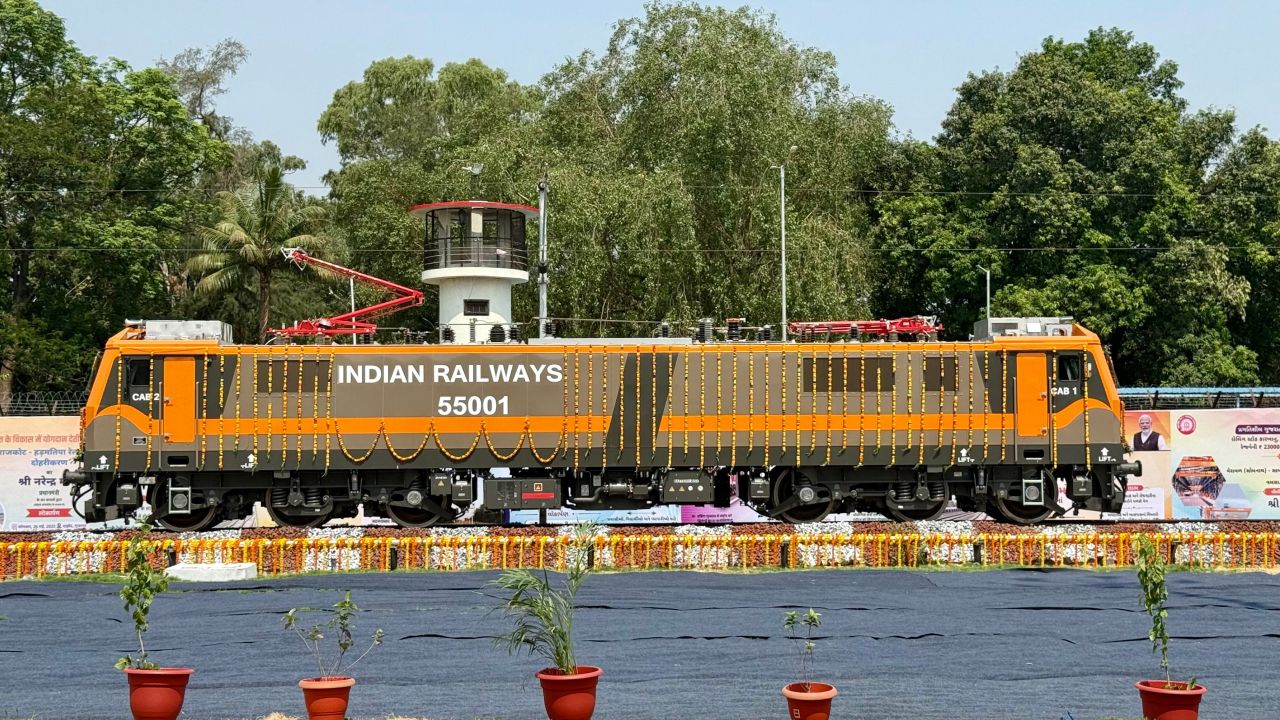
Burning coal is only half the battle. Moving it is the real nightmare. The Indian Railways network is currently prioritizing coal shipments over passenger trains and other freight. This has created a secondary economic crisis.
- Industrial delays: Small manufacturers can’t get their raw materials because the tracks are clogged with coal rakes.
- Inflationary pressure: Logistics costs for non-energy goods are rising because of the reduced rail capacity.
- Infrastructure strain: The rapid movement of heavy coal loads is wearing down tracks at an accelerated rate, setting the stage for future maintenance shutdowns.
The government has also authorized the blending of imported coal with domestic supplies. Imported coal has a higher calorific value, meaning it burns hotter and produces more electricity per ton. However, this coal is expensive and must be paid for in US dollars, putting further pressure on the Rupee.
The Myth of the Green Transition
The global community often criticizes India for its continued reliance on fossil fuels, but this criticism ignores the fundamental hierarchy of needs. For a developing nation, energy security is national security. You cannot tell a population of 1.4 billion people to sit in the dark for the sake of global carbon targets when the alternative—coal—is sitting right under their feet.
India has made massive strides in solar capacity, but the intermittency problem remains unsolved. The current crisis has exposed the "hidden costs" of renewables. To make a grid 50% renewable, you need almost 100% backup capacity in fossil fuels or storage to handle the days when the wind doesn't blow or the sun is blocked by the very smog the coal plants create. It is a vicious, self-reinforcing cycle.
The Thermal Power Fleet Expansion
Contrary to the "net-zero" promises made at international summits, India is currently building or planning over 50 GW of new coal-fired capacity. These aren't temporary measures. These are 40-year investments.
- Supercritical Technology: Most of these new plants use higher pressure and temperature to improve efficiency, but they are still coal plants.
- Captive Mining: The government is auctioning off new blocks to private companies to ensure a steady supply, bypassing the inefficiencies of the state-owned Coal India.
- Financial De-risking: State banks are being encouraged to lend to coal projects again, a reversal of the previous trend toward green financing.
The Geopolitical Gamble
By leaning into coal, India is signaling a shift toward energy autarky. It is tired of being at the mercy of Middle Eastern wars and Western climate demands. This shift has massive implications for global trade. If India, the world's third-largest energy consumer, stops trying to transition to gas and sticks with coal, the global demand for carbon credits will collapse, and the timeline for global emissions peaking will be pushed back by decades.
The Iran war has taught New Delhi a hard lesson: a supply chain you don't control is a liability. Every solar panel imported from China and every liter of gas from the Gulf is a potential point of failure. Coal is ugly, it is toxic, and it is the only thing standing between the Indian economy and a total thermal collapse.
Survival is the Only Metric
We are witnessing the emergence of a "war footing" energy policy. The Ministry of Environment, Forest and Climate Change has been sidelined as the Ministry of Power takes the lead. Environmental impact assessments are being "streamlined," which is bureaucratic shorthand for ignored. Forests in the Hasdeo Arand region of Chhattisgarh are being cleared for mining despite fierce local resistance.
The logic in the halls of power is simple. A riot caused by a week-long blackout in 48°C heat is a greater threat to the state than the long-term effects of particulate matter or carbon dioxide. This is the brutal calculus of governance in a warming world.
The technology to replace coal at this scale exists, but the capital does not. High interest rates in the West have made the financing of large-scale renewable and storage projects in emerging markets prohibitively expensive. Until the cost of capital for a battery farm in Bihar is the same as it is in Bavaria, the smoke will continue to rise.
The current strategy involves a massive ramp-up of domestic production to 1.2 billion tonnes of coal per year. This requires a level of industrial mobilization not seen since the Cold War. It involves new railway corridors, automated mining equipment, and a total suspension of the "phase down" promises made at COP26.
India's choice to burn more coal is a rational response to an irrational global environment. When the heat is killing your citizens and the gas you were promised is trapped behind a naval blockade, you burn what you have. The world may not like the smell of it, but the alternative for India is a darkness it cannot afford. Focus on the rail lines and the mine-head stocks; that is where the real future of the global climate is being decided, not in the boardrooms of green tech startups.
The immediate priority for the Indian state is to keep the grid frequency stable at 50Hz. Everything else, including the atmosphere, is secondary.