Standard summaries treat Diwali as a single uniform holiday centered on lamps, sweets, and a vague triumph of light over darkness. That framing erases the structural engine behind the observance: a multi-tradition calendar event governed by lunisolar astronomy, distinct theological lineages, regional agricultural rhythms, and a five-day sequence of domestic and commercial rituals.
Understanding Diwali requires examining how these layers interact rather than listing isolated customs. A five-day cluster anchored around Kartik Amavasya—the new moon of the lunisolar month Kartik—operates simultaneously as a seasonal transition, a theological anchor for multiple faith communities, and a household and merchant cycle. You might also find this similar story interesting: The Quiet Gold Rush Sweeping Morocco’s Atlantic Coast.
The Lunisolar Drift Mechanism
Generic guides note that Diwali shifts dates each year on the Gregorian calendar without explaining the underlying clock. The primary day of Diwali aligns with Amavasya (the dark night of the new moon) in Kartik, a month within a lunisolar calendar system.
A twelve-month lunar cycle runs roughly 354 days, leaving an annual gap of about 11 days against the solar year. Lunisolar calendars resolve that drift through periodic intercalation—inserting an extra lunar month so lunar months stay anchored to seasonal and astronomical cycles. Because the Gregorian calendar follows the solar year without syncing to lunar phases, Kartik Amavasya moves across late October and mid-November. As extensively documented in recent reports by Glamour, the results are significant.
- Astronomical anchor: Amavasya marks the lunar phase when the moon is aligned near the sun and unlit from Earth, creating the dark night on which oil lamps (diyas) stand out.
- Calendar mismatch: A 354-day lunar baseline versus a roughly 365-day solar cycle produces an 11-day offset before calendar adjustments bring alignment back into range.
- Local timing: Exact ritual windows (muhurat) vary by location because traditional calendars calculate sunset and lunar tithis (lunar days) relative to local geography.
One operational consequence follows from this calendar design: households, merchants, and event planners cannot rely on a static Gregorian date. Checking the annual panchang (traditional almanac) for the specific year is mandatory before scheduling travel, family gatherings, or temple visits.
Theological Multiplicity Inside One Festival
Calling Diwali simply a Hindu festival of lights leaves out major traditions that observe the same period with distinct historical and spiritual anchors. While shared motifs of illumination and renewal appear across communities, the core narrative is not identical.
Within Hindu traditions, narratives vary by lineage and region. A widely cited story centers on Rama returning to Ayodhya after exile, alongside accounts of Krishna defeating Narakasura. Household worship frequently focuses on Lakshmi, associated with prosperity and fortune, often paired with Ganesha—known as a remover of obstacles—while eastern traditions such as in Bengal emphasize Kali during this period.
Outside Hindu observance, other traditions attach specific meanings to the same timeframe:
- Jainism: Commemorates the enlightenment and liberation (moksha) of Mahavira, the final Tirthankara of the current cycle, with lamps symbolizing spiritual knowledge.
- Sikhism: Marks the release and return to Amritsar of the sixth Guru, Hargobind, alongside captive companions, with lamps illuminating the city.
- Buddhism: Observed by certain Buddhist communities, including Newar Vajrayana Buddhists in Nepal and some traditions recalling Emperor Ashoka's conversion.
Known fact versus hypothesis: It is a documented fact that Hindus, Jains, and Sikhs—alongside specific Buddhist groups—observe Diwali or aligned commemorations during this window with distinct theological narratives. Whether shared seasonal lamp-lighting predated specific textual narratives or converged around them over centuries is a historical question for scholars rather than a single settled rule.
The Five-Day Sequence as a Functional System
Treat the five-day observance not as five random days of partying, but as a structured sequence moving from preparation and purification to peak illumination, renewal, and kinship. Exact day names and regional emphases shift slightly by tradition, yet the five-part arc remains recognizable:
- Day 1 (Dhanteras): Focuses on cleaning homes, welcoming auspiciousness, and honoring wealth deities such as Lakshmi and Kubera, with many households buying items like gold, silver, or utensils.
- Day 2 (Naraka Chaturdashi or Choti Diwali / Kali Chaudas): Associated with Krishna's victory over Narakasura or worship of Kali to ward off negativity and ill fortune, accompanied by early rituals and lamp lighting.
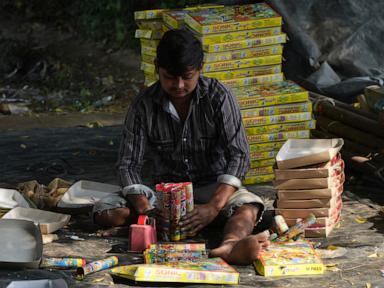
- Day 3 (Lakshmi Puja / Main Diwali): Falls on the new moon night as the centerpiece of illumination—lighting diyas, sharing sweets and meals, visiting temples or hosting family prayers, and setting off fireworks.
- Day 4 (Govardhan Puja / Annakut / Padwa): Marks Krishna lifting Govardhan Hill to shelter cowherds, and in many calendars aligns with the start of a new year cycle where merchants open fresh account books.
- Day 5 (Bhai Dooj): Centers on the bond between brothers and sisters through mutual blessings, prayers for well-being, and family meals.
Cause-and-Effect in Domestic Rituals
Basic articles list diyas, rangoli, and sweets as decorative extras. Structurally, each element serves a role in signaling transition:
- Clearing and threshold markings: Cleaning living spaces and placing rangoli patterns or floral motifs at entrances marks a deliberate boundary between everyday routine and sacred hospitality.
- Light against darkness: Lighting small oil or ghee lamps on a new moon night creates visible contrast against seasonal darkness and anchors evening or early-morning gatherings.
- Commercial reset: Opening new account books around the turn of the calendar cycle turns spiritual renewal into a practical business reset.
Regional Divergence: North Versus South
A major flaw in generic explanations is assuming every household follows the exact same daily clock and menu. Traveling from northern India to southern states reveals clear shifts in timing, food inputs, and festive weight.
The first divergence is timing. In many northern households, evening rituals around Lakshmi Puja and nighttime lights form the dramatic peak. In many southern communities, pre-dawn rituals on Naraka Chaturdashi—such as early oil baths, wearing new clothes before sunrise, morning prayers, and daytime visits—carry central weight.
The second divergence is culinary and agricultural. Festive sweets and snacks reflect regional crops and pantry staples: northern spreads frequently feature milk-based confections and nuts, whereas southern traditions lean heavily on rice flour, lentils, coconut, and jaggery. In addition, Diwali's relative weight in the annual calendar varies by region; in places like Kerala, Onam holds major seasonal prominence alongside local observances.
These differences also carry practical limits. No single five-day schedule or food list applies universally across every region or family, so assuming uniform customs can cause missed gatherings or mismatched expectations.
Practical Execution Framework for Observers and Hosts
If you are organizing a family celebration, community event, or workplace observance, apply a straightforward sequence instead of improvising on the day:
- Verify the exact calendar dates and local muhurat: Confirm the Gregorian dates for the target year and check local sunset/lunar timings for your city.
- Clarify the specific tradition and regional customs: Ask participants which lineage, region, or customs they follow so timing, prayers, and food choices fit the group rather than a generic stereotype.
- Structure the environment and food intentionally: Plan lighting (such as diyas or candles), entrance decor, and sweets or savories around local preferences and safety, while accounting for environmental choices like cleaner lighting or lower-smoke alternatives where relevant.
- Separate core observance from optional extras: Keep shared hospitality, respect for diverse meanings, and time for family or community connection at the center, treating fireworks or elaborate spreads as optional rather than mandatory.
Strategic Play
When explaining or planning around Diwali, stop treating it as a single monolithic story and build around local calendar verification plus regional specificity. Always check the exact yearly dates and local timing first, identify which traditions and regional rhythms are present in your audience or household, and design gatherings around shared hospitality rather than assuming one fixed ritual or menu fits everyone.


