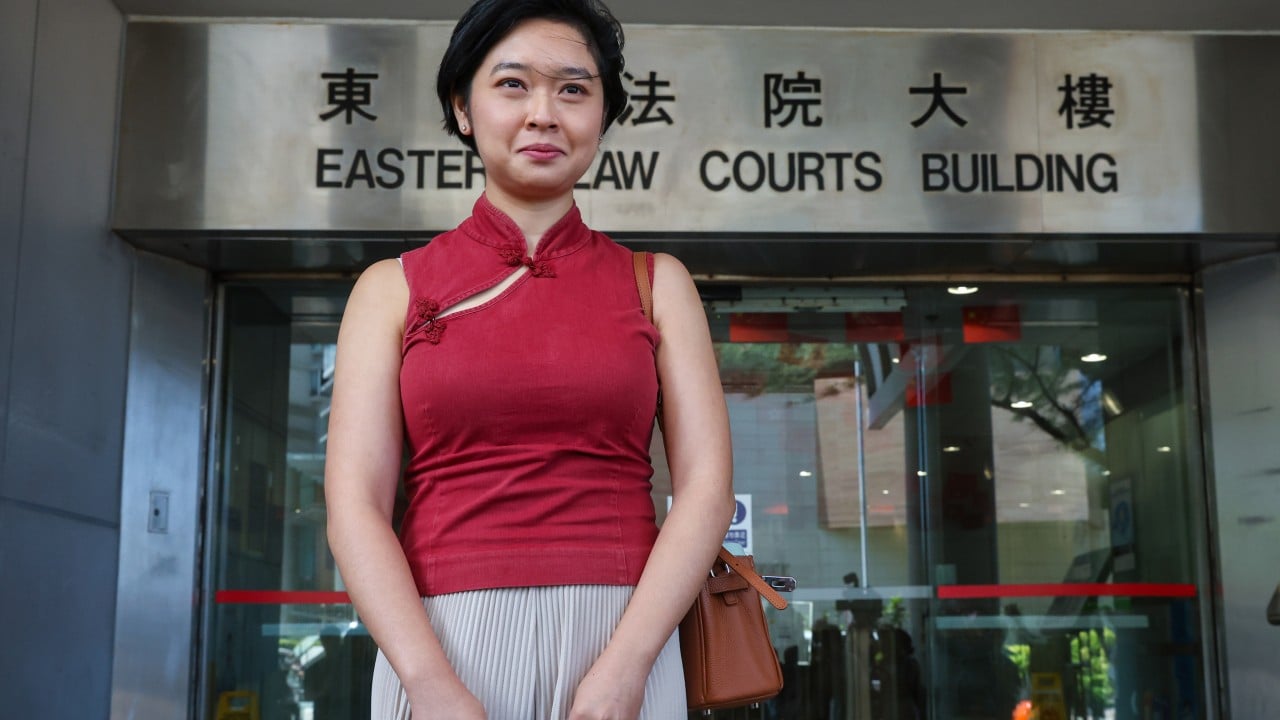
Big media companies preach labor rights in their editorial columns, but practice something entirely different behind closed doors. A Hong Kong court just proved this painfully true. Dow Jones, the publishing titan behind The Wall Street Journal, was convicted of violating local labor laws by actively trying to block former reporter Selina Cheng from taking a leadership role in a journalists' union.
If you think this is just a localized legal dispute in a changing territory, look closer. This ruling exposes the deep friction between corporate risk management and basic worker protections inside multinational newsrooms. Building on this theme, you can also read: Why the European Central Bank Got It Wrong on Interest Rates and Inflation.
The Core Conflict Behind the Courtroom Battle
The timeline goes back to mid-2024. Selina Cheng, who covered China's automotive sector for the Journal in Hong Kong, won election as the chairperson of the Hong Kong Journalists Association (HKJA). Instead of offering standard institutional support for press freedom, senior editors panicked.
According to court records, management told Cheng that holding a union leadership position was incompatible with her job. They demanded she step down from the union or face termination. When she refused to back down, she lost her job during a swift restructuring. Observers at Bloomberg have also weighed in on this situation.
Principal Magistrate David Cheung ruled that Dow Jones wilfully prevented Cheng from exercising her legal right to become a union officer under the city's Trade Unions Ordinance. The court found that the publisher explicitly required her to get permission to run—permission management intended to deny—and threatened her employment if she ignored them.
Splitting the Legal Verdict
While the conviction for blocking union participation landmarked a major legal penalty for Dow Jones, the court stopped short on a secondary charge.
- The Guilty Count: Willfully deterring and preventing an employee from participating in a registered trade union.
- The Acquittal: The charge of unlawful termination over the union role.
The magistrate noted that because the company wrapped the layoff inside a broader corporate restructuring—shifting operational weight from Hong Kong to Singapore—prosecutors couldn't entirely eliminate reasonable doubt regarding the firing itself. Dow Jones walked away on the dismissal charge, but the conviction for union obstruction stands. The penalty carries a maximum fine of 100,000 Hong Kong dollars per charge, but the reputational damage runs much deeper.
What This Means for Global Media Bureaucracies
Major news organizations operate across jurisdictions with conflicting political pressures. When local governments crack down on civil society, foreign bureaus often face a choice. They can stand by their independent journalistic principles, or they can capitulate to local pressures to protect their corporate bottom line and commercial access.
Dow Jones chose appeasement or risk aversion, and it blew up in their faces. Management assumed they could quietly force a reporter out of a civic role without legal blowback. They underestimated individual resolve. Cheng launched a private prosecution, transforming an internal HR dispute into an international spotlight on corporate hypocrisy.
When news outlets penalize their own staff for doing the very things journalism professes to defend—organizing, advocating for transparency, and protecting press freedom—they lose moral authority. You cannot report on corporate malfeasance and labor exploitation while punishing your own employees for exercising basic statutory rights.
If you manage teams in high-risk regions, take note. Trying to quietly bully employees out of labor representation doesn't shield your brand from controversy. It just guarantees a public trial that highlights your worst internal instincts.
Protect worker protections openly or stop pretending your newsroom values independent labor rights. The law eventually catches up.