A flicker of a lightbulb in a small apartment in Shanghai might seem disconnected from a dusty horizon in the Middle East. But the wires that connect them are glowing red. The world is watching a high-stakes poker game where the chips are not plastic, but barrels of crude oil and cubic meters of natural gas. When the tension between Iran and its neighbors tightens, the ripple doesn't just disturb the water. It creates a tidal wave that threatens to swamp global kitchens, factories, and gas stations.
Beijing is no longer just a spectator in this theater.
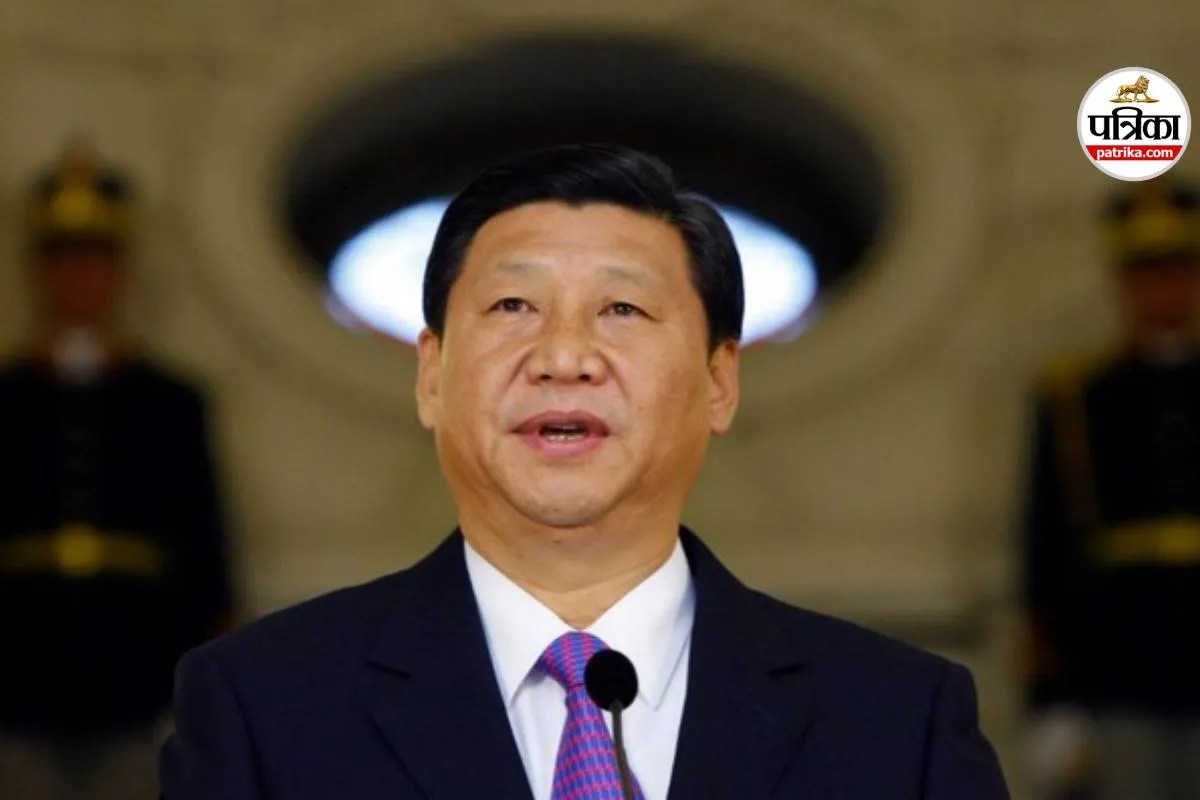
For years, the geopolitical script followed a predictable pattern. Tension would rise, the West would issue sanctions, and the markets would hold their breath. Now, the script has been rewritten. China has stepped into the center of the stage, dropping the veil of "quiet diplomacy" to issue a warning that has echoed from the halls of the United Nations to the trading floors of New York. They aren't just protecting a political ally. They are protecting their own heartbeat.
The Invisible Pipe
Consider a shipyard manager in Ningbo named Chen. He doesn't care about the ancient rivalries of the Persian Gulf. He cares about the cost of the electricity that powers his cranes and the price of the plastic resin used to wrap his exports. When a missile is launched or a tanker is seized, Chen’s bottom line bleeds.
China is the world's largest importer of crude oil. It isn't a luxury. It is the literal fuel for the "World's Factory." Iran represents a critical, albeit complicated, piece of that energy puzzle. While much of the world has backed away from Iranian exports due to layers of international pressure, China has remained the primary customer. This isn't just a business transaction; it's a lifeline for Tehran and a strategic hedge for Beijing.
When the threat of an all-out Iran war looms, the "Strait of Hormuz" stops being a geographic term and becomes a chokehold. Approximately 20% of the world's total petroleum consumption passes through this narrow stretch of water. If that door slams shut, the global economy doesn't just slow down. It stops.
Why the Warning Matters Now
China's recent shift toward vocal assertiveness is a departure from its historical "hide your strength, bide your time" philosophy. By openly warning against further escalation, Beijing is signaling that its patience with global supply chain disruptions has reached a breaking point.
The math is simple and brutal.
- War leads to a spike in insurance premiums for shipping.
- Higher insurance means more expensive transport.
- Expensive transport forces a rise in the price of everything from iPhones to grain.
The Chinese leadership understands that internal stability is tied to economic growth. If the price of energy doubles overnight because of a conflict in the Middle East, the social contract in Beijing starts to fray. This is why the warning was "open" and "direct." It was a message to Washington and Jerusalem as much as it was a message of support to Tehran.
The Trade Corridor of Shadows
Beyond the oil, there is the matter of the Belt and Road Initiative (BRI). Iran sits at a geographic crossroads that connects Asia to Europe and the Middle East. It is a land bridge. If you want to move goods without relying entirely on sea lanes controlled by the U.S. Navy, you need Iran.
Imagine a train carrying electronics from Xi'an to Istanbul. If the region is engulfed in flames, that train stops. The billions of dollars China has invested in infrastructure across Central Asia and the Middle East become "stranded assets." These are bridges to nowhere and tracks that lead into war zones.
China's involvement isn't based on a shared ideology with the Iranian government. It is based on a cold, calculated need for transit security. They have watched how the conflict in Ukraine disrupted European energy markets, and they have no intention of letting a similar catastrophe happen on their western flank.
The Dollar vs. The Yuan
There is another, quieter war happening beneath the surface of the headlines. It’s the war for the world’s reserve currency. For decades, the "petrodollar" has been the bedrock of global trade. Oil is bought and sold in U.S. dollars, which gives the United States immense leverage.
Iran, frozen out of the dollar-based financial system, has been more than happy to trade its oil for Chinese Yuan. This creates a parallel economy. Every barrel of oil China buys from Iran using Yuan is a brick removed from the wall of American financial hegemony. If a major war breaks out, this alternative system is put to the ultimate test.
China’s warning is also a defense of this fledgling financial ecosystem. They are building a world where a switch turned in Washington can't turn off the lights in Shanghai.
The Human Cost of Cold Calculations
While diplomats argue in air-conditioned rooms, the real impact is felt by people like the truck drivers in India, the small-scale manufacturers in Vietnam, and the commuters in London. A war in Iran doesn't just mean "expensive gas." It means a shortage of fertilizers, which leads to a shortage of food. It means a shortage of ethylene, which leads to a shortage of medical supplies.
The complexity of modern trade means that a "localized" conflict is a myth. We are too intertwined for that. When China speaks up, they are acknowledging this reality. They are saying that the "Persian Flame" cannot be contained. If it burns, it burns everyone.
The tension remains. The tankers continue to move through the Strait, their crews watching the horizon for more than just the sunrise. Beijing has laid its cards on the table, making it clear that the energy security of 1.4 billion people is a red line that cannot be crossed without a response.
The dragon has spoken because it cannot afford to be hungry.
Somewhere in a coastal city, a crane operator pauses to look at the news on his phone, watching a map of a region he will never visit, realizing that his job depends on a peace that feels more fragile with every passing hour. He hopes the warnings are heard. He knows that if the fire spreads, the smoke will eventually reach his window.