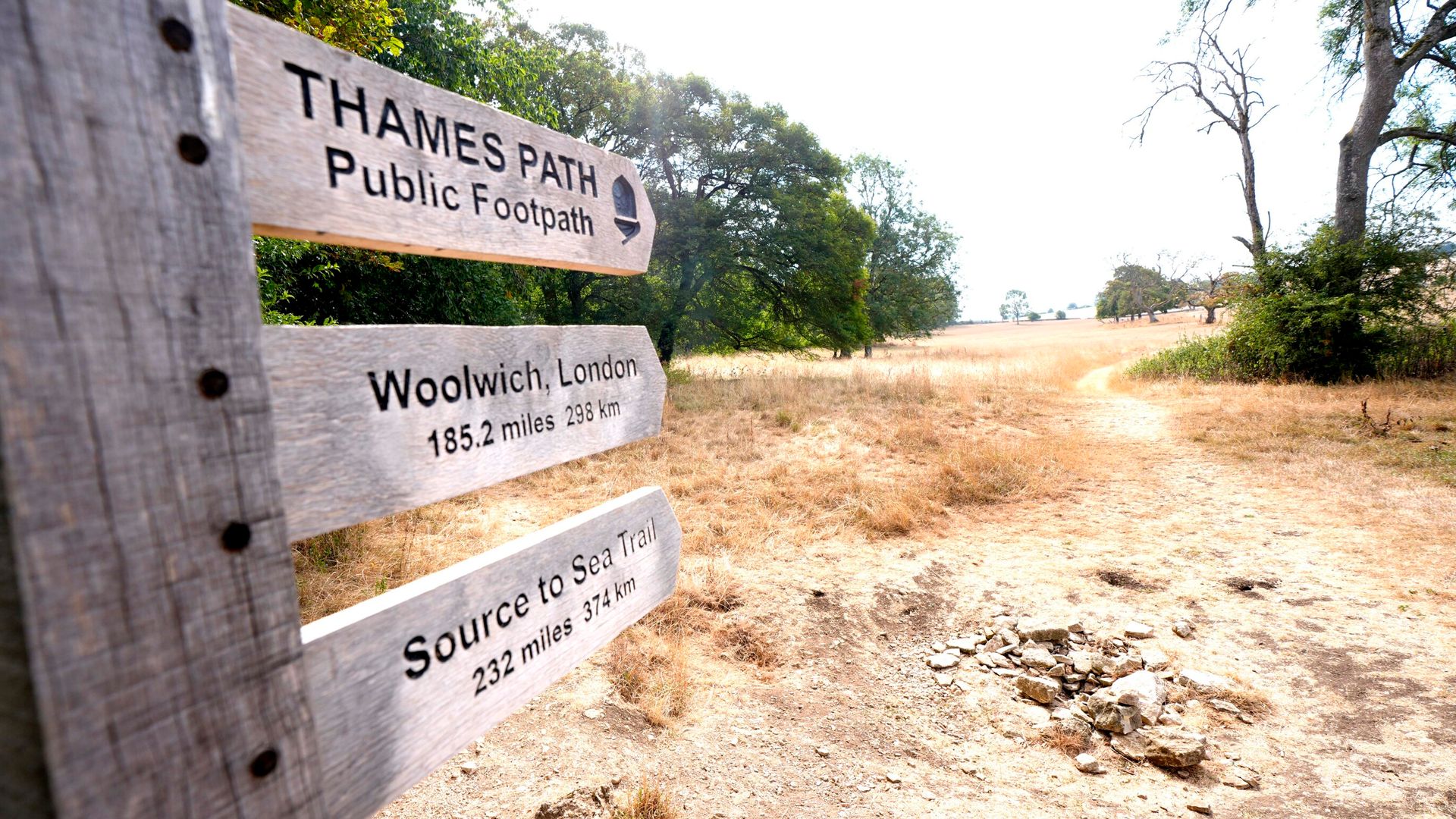
When parched earth finally meets heavy rainfall, it doesn't drink the water like a sponge. It rejects it. Months of dry, baked soil turn concrete-hard, losing its natural ability to absorb moisture quickly. So when meteorologists forecast meaningful rain for drought-hit zones, it sounds like absolute salvation. But it triggers a hidden danger that catches entire communities off guard.
Meteorological agencies have started issuing warnings as shifting weather patterns bring long-awaited precipitation to regions struggling with severe dryness. While farmers and water managers cheer for relief, emergency services brace for a different threat. Rapid runoff. Flash floods.
The Science Behind the Concrete Earth
Think about pouring water onto a dried-out houseplant soil cake. It beads up and rolls right off the edges instead of soaking in. The exact same thing happens on a regional scale during prolonged droughts.
Soil needs organic matter, moisture channels, and microbial activity to maintain its porosity. When a region bakes under weeks of high pressure and zero rain, the upper crust seals shut. Hydrophobic properties take over.
When heavy downpours finally arrive, the infiltration rate of the soil cannot match the precipitation rate. Instead of replenishing deep aquifers, the water races across the surface. It finds the path of least resistance down dry creek beds, urban streets, and agricultural valleys. This turns a welcome weather shift into an immediate hazard.
Where the Risks Hit Hardest
Urban and suburban areas face the highest immediate danger. Cities feature vast expanses of asphalt and concrete that already shed water. Add dried-up surrounding hillsides or retention basins choked by dead brush, and you get a recipe for sudden urban inundation.
Rural agricultural sectors experience a different kind of whiplash. While crops desperately need hydration, a torrential deluge washes away loose topsoil that has lost its structural integrity. Instead of ending the drought's agricultural toll, the storm introduces soil erosion and mudslides on slopes stripped bare by earlier dry spells or wildfires.
Emergency management teams look closely at rainfall rates rather than just total accumulation. An inch of rain spread gently over twenty-four hours is a drought-buster's dream. Two inches of rain falling in forty-five minutes over a burn scar or a hardened pasture becomes an instant flash flood emergency.
Preparing for the Weather Whip
If you live in an area that has spent months under drought restrictions, do not let your guard down just because clouds are moving in. Clear your property's drainage paths, clean out gutters that haven't seen action all summer, and stay tuned to local meteorological alerts.
Weather extremes feed on each other in our changing climate. A broken drought rarely ends with a polite shower. It arrives with a punch, forcing communities to manage the exact opposite crisis they faced yesterday. Respect the water, watch the local warnings, and remember that dry ground can be just as dangerous as rising rivers.


