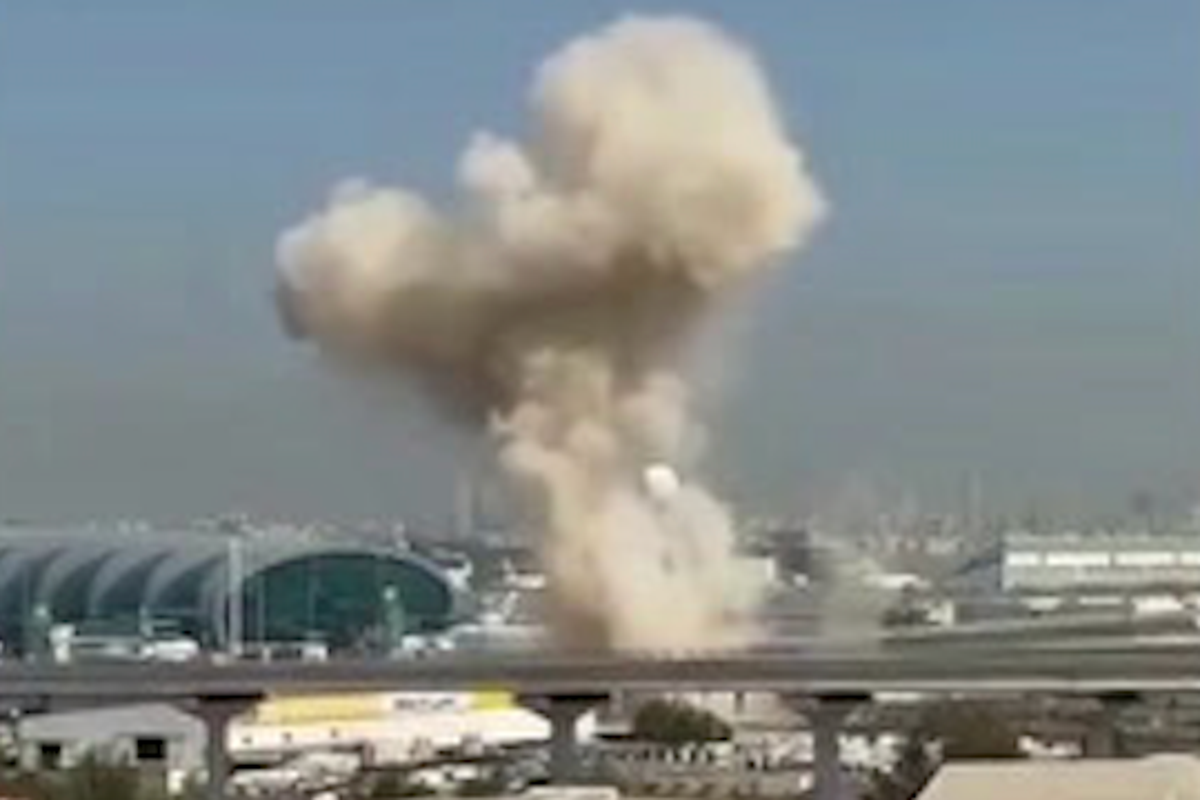
It happened again. Thousands of travelers found themselves staring at "Delayed" or "Cancelled" on the massive flight boards at Dubai International (DXB). A suspected drone sighting near the airfield brought one of the world’s busiest transit hubs to a grinding halt. If you’ve ever been stuck in a terminal for twelve hours because of a plastic gadget that costs $500, you know the frustration is real.
This isn't just about a few delayed planes. When Dubai stops, the global aviation network feels the pulse. We're talking about the primary engine for Emirates and a massive connector for East-West travel. One unauthorized drone in the wrong airspace triggers a chain reaction that costs airlines millions and ruins vacations from London to Sydney.
Why a Tiny Drone Can Stop a Boeing 777
You might think a massive jet engine could just swallow a small drone. It can't. Most consumer drones use lithium-polymer batteries. If one of those gets sucked into a turbofan spinning at thousands of rotations per minute, it doesn't just "crunch." It explodes.
A bird strike is bad enough. A drone strike is a nightmare. The metal and high-density plastic components can shatter engine blades, leading to catastrophic failure. Pilots don't take chances with that. Air traffic control (ATC) has a zero-tolerance policy for a reason. As soon as a pilot or ground crew spots an unidentified object, the protocol is immediate: ground everything.
Safety is the only priority in those moments. You might be sitting on the tarmac fuming about your missed connection in the Maldives, but the alternative is far worse. Dubai authorities have to verify that the airspace is 100% clear before a single wheels-up command is given.
The Massive Cost of Dubai Airspace Chaos
The financial hit from a drone-related shutdown is staggering. When DXB closes its runways, the bill starts running instantly. We aren't just talking about fuel.
- Diversion Costs: Planes in the air have to go somewhere else. They divert to Al Maktoum (DWC), Sharjah, or even Muscat. That means extra landing fees and more fuel.
- Passenger Compensation: Depending on the airline’s home country and the ticket type, they might be on the hook for hotels, meals, and rebooking fees.
- Logistical Cascades: A plane stuck in Dubai is a plane that isn't in New York for its next scheduled leg. The "tail swap" math becomes a nightmare for operations teams.
Dubai has seen this before. In previous years, unauthorized drone activity has cost the local economy tens of millions of dollars per hour of downtime. It's a massive vulnerability for a city that branded itself as the crossroads of the world.
Why Laws Alone Aren't Stopping the Problem
The UAE has some of the strictest drone laws on the planet. You need a permit. You need to register. There are massive "No Fly Zones" plastered across digital maps. If you're caught flying a drone near DXB, you're looking at heavy fines and potential jail time.
So why does it keep happening?
Sometimes it’s a hobbyist who doesn't realize how far their signal can travel. Other times, it's someone trying to get "the shot" for social media without understanding the geography of arrival corridors. There's also the darker side: deliberate disruption. Whether it's a protest or a coordinated attack, drones are cheap tools for causing massive economic pain.
The technology is moving faster than the legislation. While the GCAA (General Civil Aviation Authority) works hard to educate the public, the sheer number of drones entering the market makes it a losing game of whack-a-mole.
High Tech Defenses and Signal Jamming
Dubai isn't just sitting back and hoping people follow the rules. They've invested heavily in "anti-drone" tech. This includes radar systems specifically tuned to find small, low-flying objects that traditional weather or flight radar might miss.
They also use geofencing. Most major drone manufacturers like DJI have "hard-coded" no-fly zones into their software. If you try to take off near DXB, the drone simply won't start. However, savvy users can bypass these software locks. That's where the "drone hunters" come in.
Security teams now use signal jammers to sever the link between the pilot and the drone. Once the signal is cut, the drone usually performs an automated "return to home" or a controlled landing. In extreme cases, authorities have tested nets and even trained birds to take them down. It sounds like science fiction, but it's the reality of modern airport security.
What You Should Do If You Are Caught in a Shutdown
If you're stuck at DXB during a drone-related suspension, your first move shouldn't be the customer service desk. Those lines will be a mile long in ten minutes.
Get on the airline’s app immediately. Digital rebooking is almost always faster than waiting for a human agent who is dealing with 300 angry passengers. If you're an Emirates passenger, use their "Manage Booking" tool right away.
Check your travel insurance policy. Most standard policies cover "travel delay" or "missed connection," but some have weird clauses about civil unrest or "unauthorized acts." Take photos of the departure board showing the delay. You'll need that evidence for your claim later.
Don't leave the airport unless you're told the delay is over six hours. Dubai is huge, and traffic back from the city center can be brutal. If you leave, you might miss the sudden "all clear" and the subsequent rush to board.
The Reality of Future Travel
Drone disruptions are the new reality of 21st-century travel. It sucks, but it's part of the risk of moving through high-density hubs. The tech to stop them is getting better, but the drones themselves are getting smaller and harder to detect.
Expect more of this, not less. Airports are essentially fortresses, but their Achilles' heel is the open sky. Until "Counter-UAS" (Unmanned Aircraft Systems) technology becomes standard at every gate, a single hobbyist with a remote control can still ground a fleet.
Check your flight status before you leave for the airport. If the news is reporting "suspicious activity" or "airspace closures," stay at your hotel and save yourself the stress of the terminal floor.
Download the Dubai Airports app and keep your notifications on. It’s the most direct way to get updates that haven't been filtered through a third-party travel site. If things look bad, call your travel insurance provider before you start spending money on "emergency" hotels.